Why Birds Fly in a V Formation: The Remarkable Science Behind the Shape
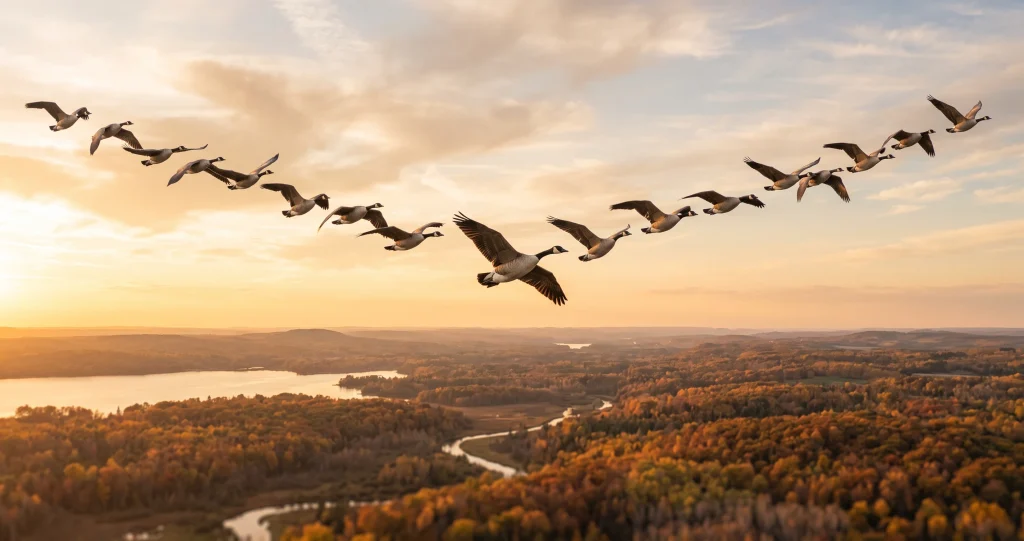
The reason why birds fly in a V formation is much stranger than simply staying together. Every bird creates an invisible trail of swirling air behind its wings. A bird …
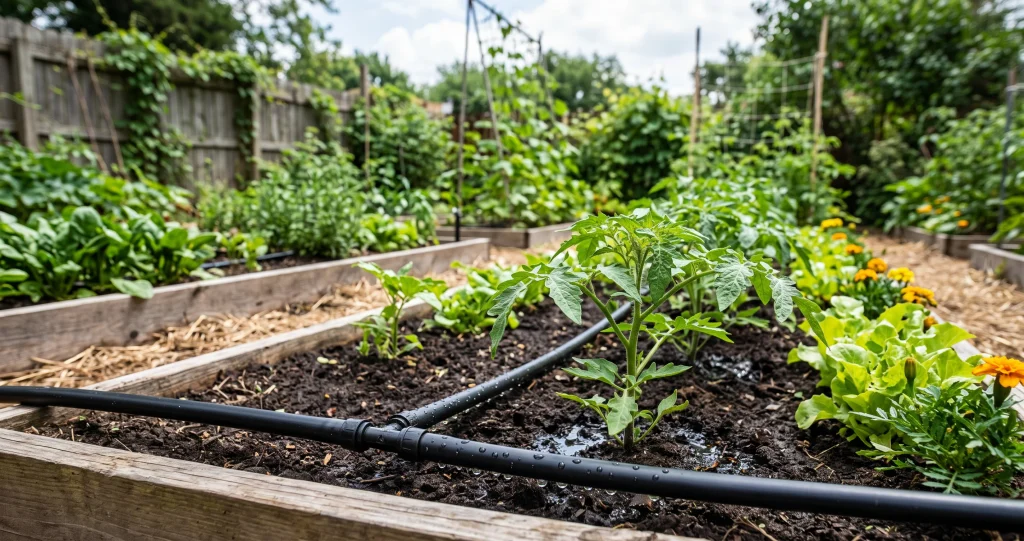
A simple drip irrigation system can turn daily hand-watering into a mostly automatic routine without requiring professional plumbing. Instead of spraying an entire bed, drip irrigation moves water slowly through …
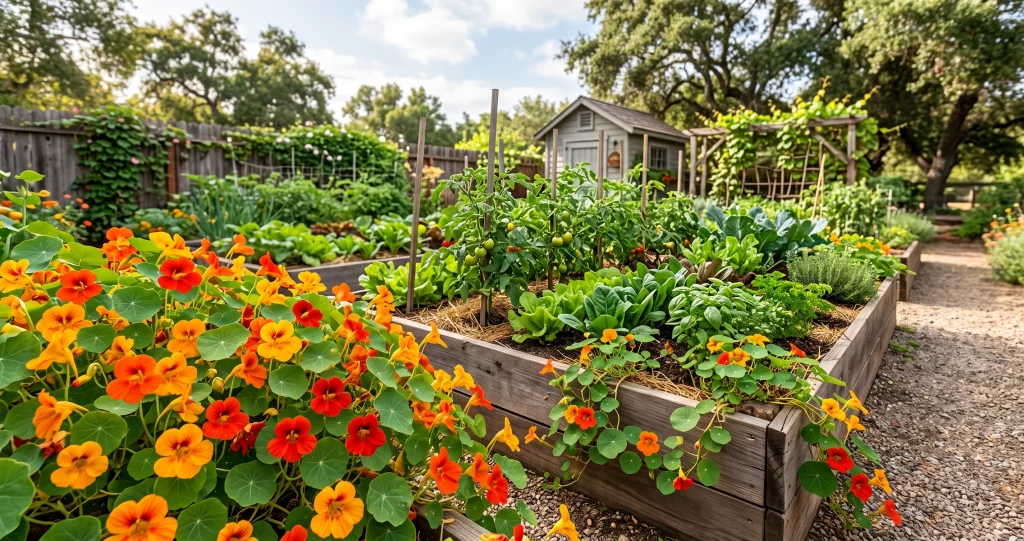
Bright orange, yellow, and red nasturtium flowers may look purely ornamental, but these fast-growing annuals can play a useful role in vegetable-garden pest management. Used correctly, nasturtium trap crop pest …
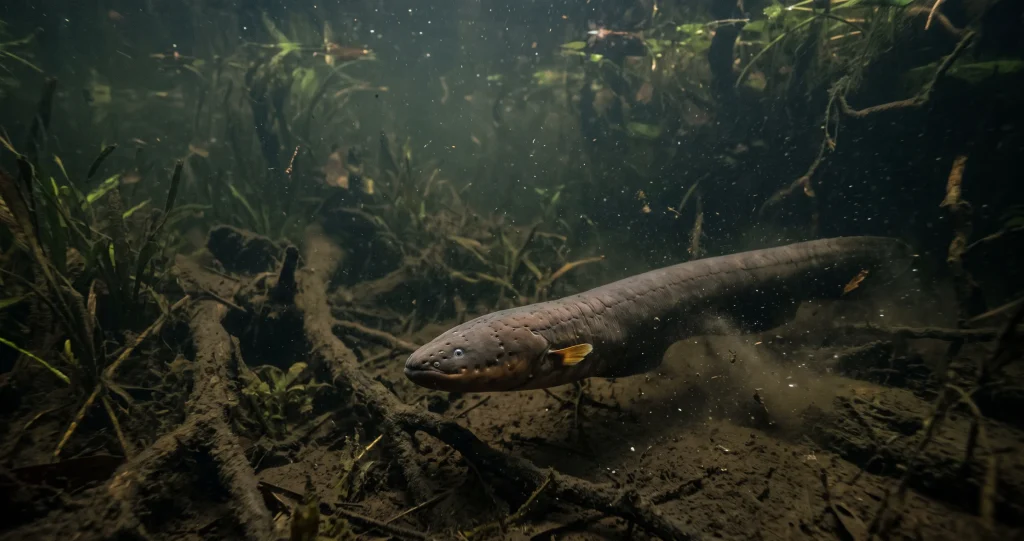
An electric eel does not carry a miniature battery inside its body. Instead, electric eel voltage is produced by thousands of specialized biological cells working together with extraordinary precision. Each …
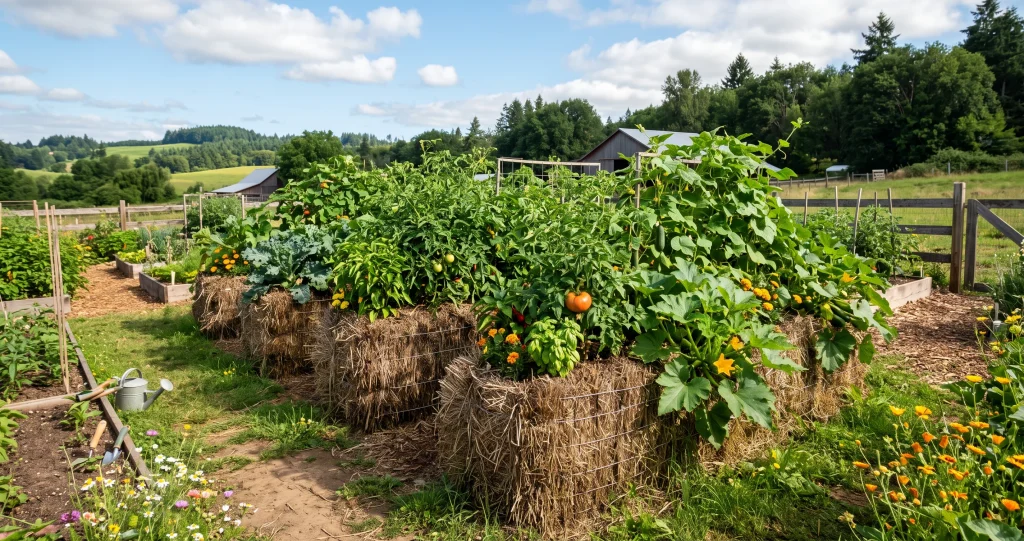
You do not need rich garden soil, a permanent raised bed, or even a traditional backyard plot to grow vegetables successfully. Straw bale gardening turns an ordinary bale of straw …
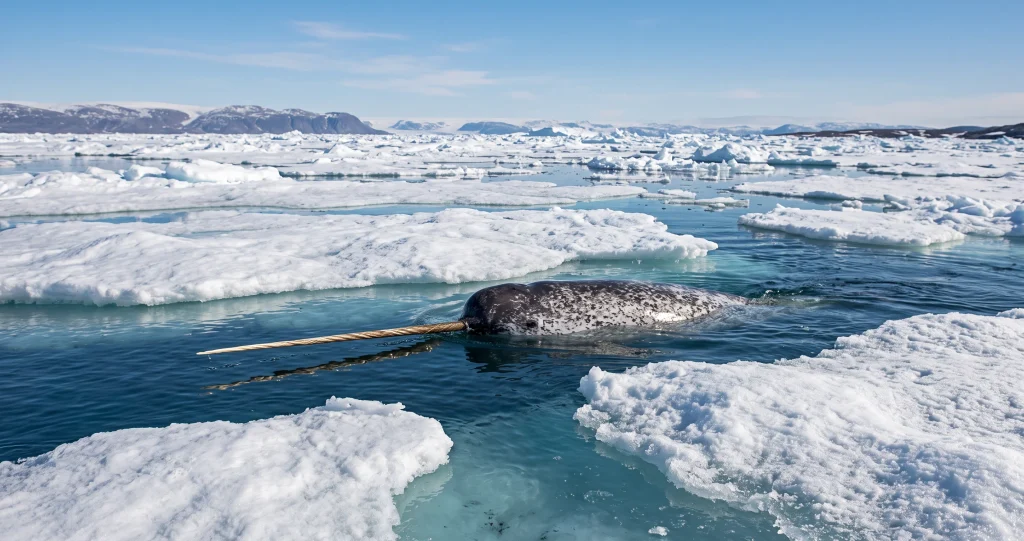
At first glance, a narwhal seems to be carrying a horn straight out of mythology. But that long spiral structure is neither a horn nor an antler. It is an …
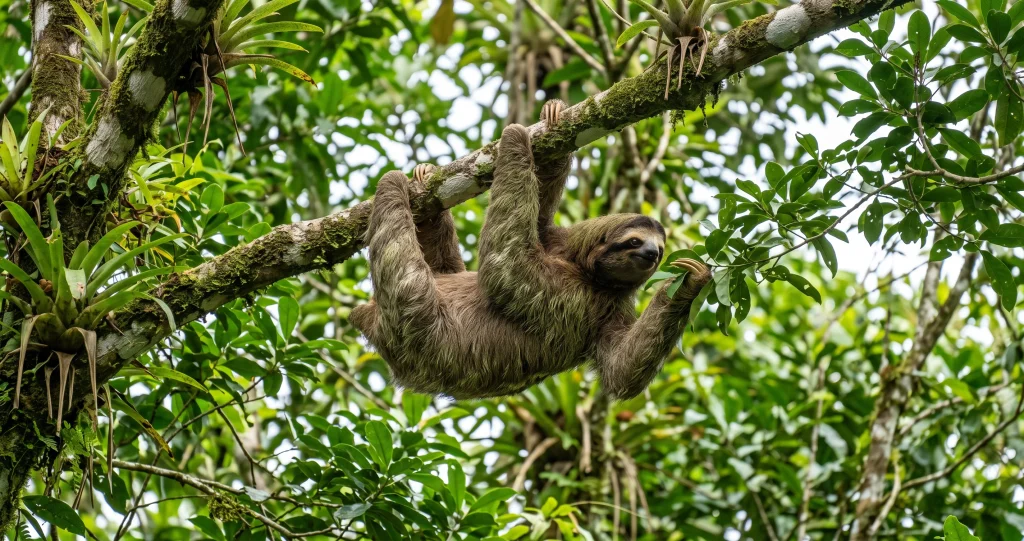
A sloth may look like a solitary animal hanging quietly in the rainforest canopy, but its coat tells a very different story. Scientists studying the sloth fur ecosystem algae community …
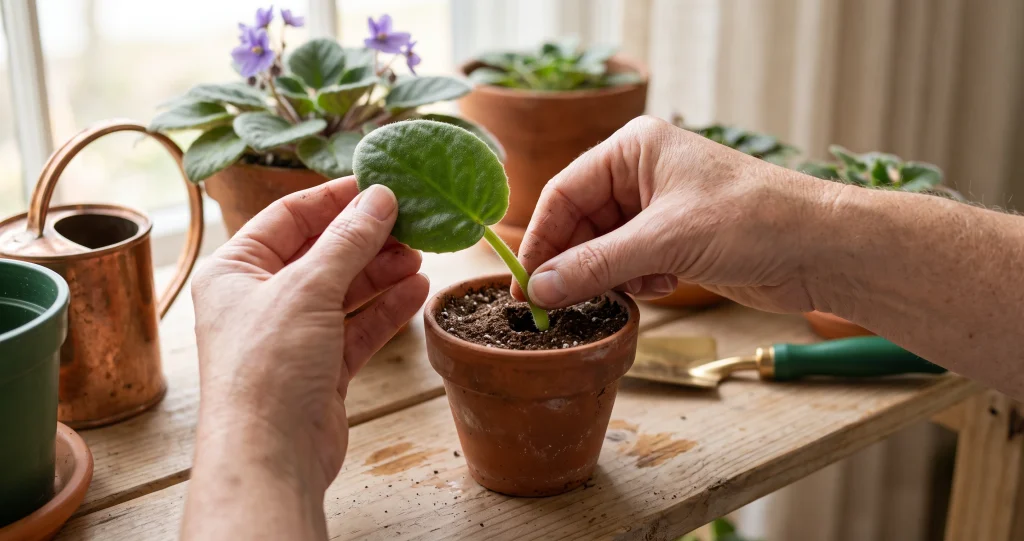
African violets are among the most rewarding houseplants to multiply at home because an entire cluster of young plants can develop from a single healthy leaf. African violet leaf propagation …
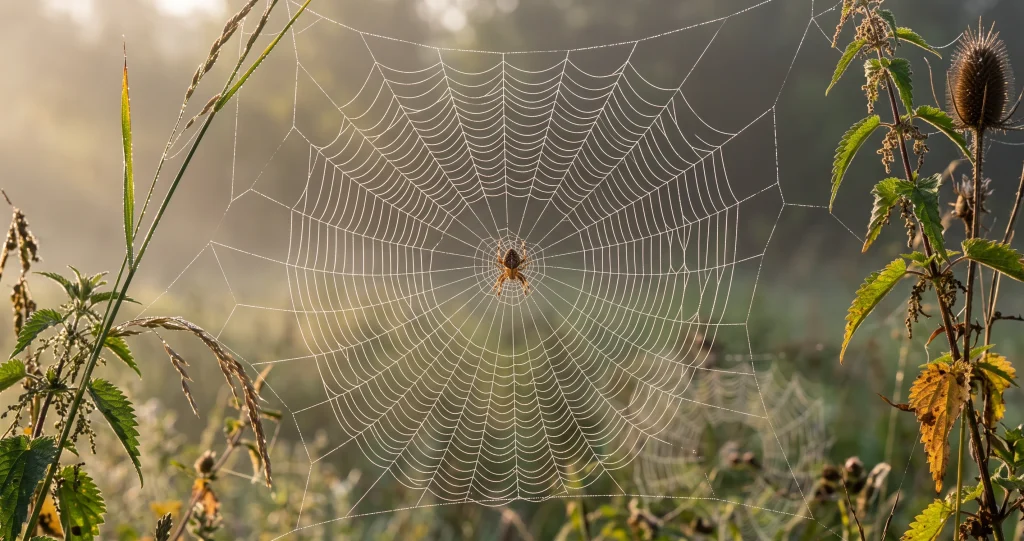
Identifying spider webs by their overall shape is one of the easiest ways to learn more about the spiders living around your home. Web architecture can often point you toward …
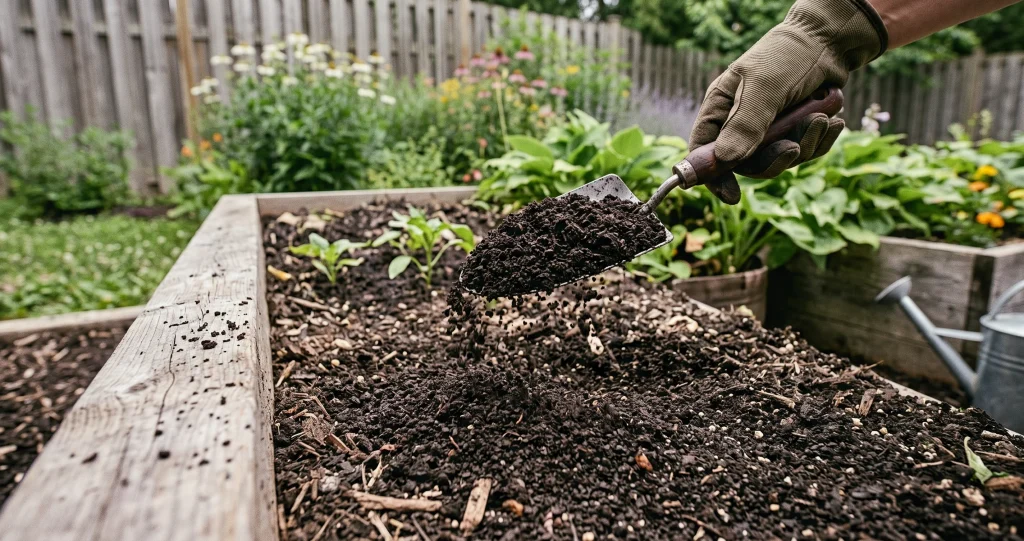
Dark, crumbly, earthy, and surprisingly valuable in the garden, worm castings are the finished material produced when composting worms and microorganisms process organic waste. Gardeners sometimes call them “black gold” …