How Snakes Shed Their Skin: The Fascinating Science of Ecdysis
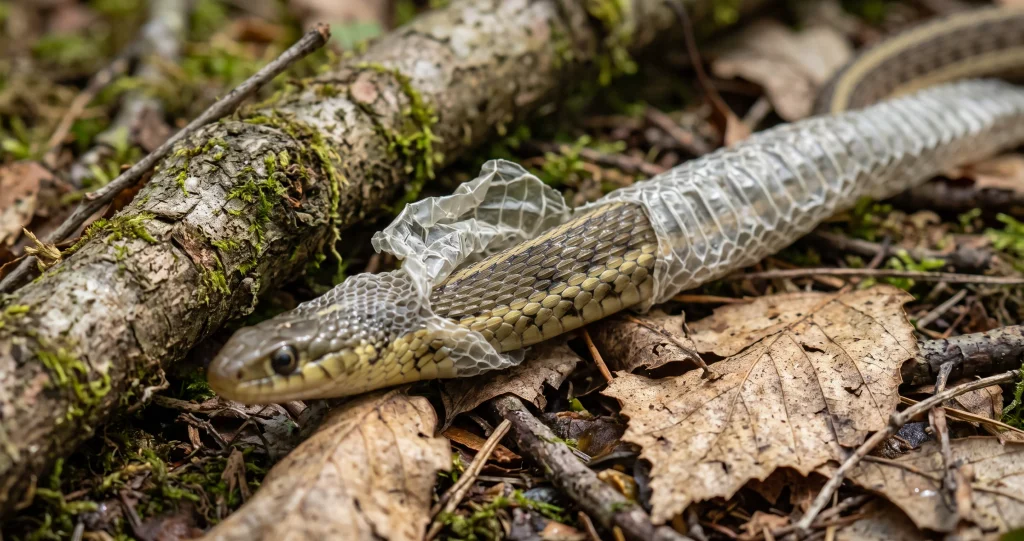
Finding an abandoned snakeskin in the grass can feel like discovering a ghostly copy of an animal that has vanished. The delicate covering may preserve the shape of individual scales, …
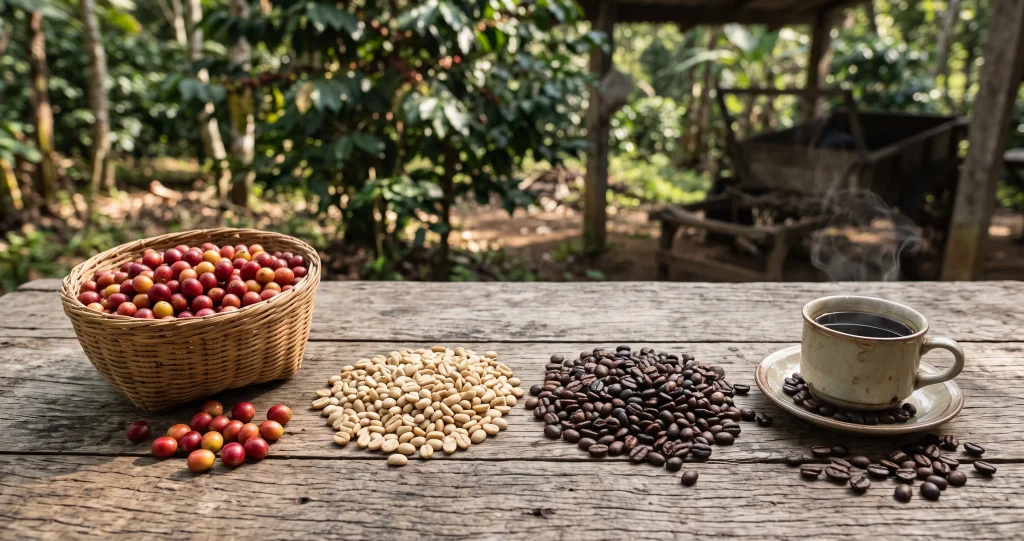
Most coffee begins with ripe fruit harvested from a coffee plant. But Kopi Luwak coffee takes an extraordinary detour through the digestive system of a small, nocturnal mammal called the …
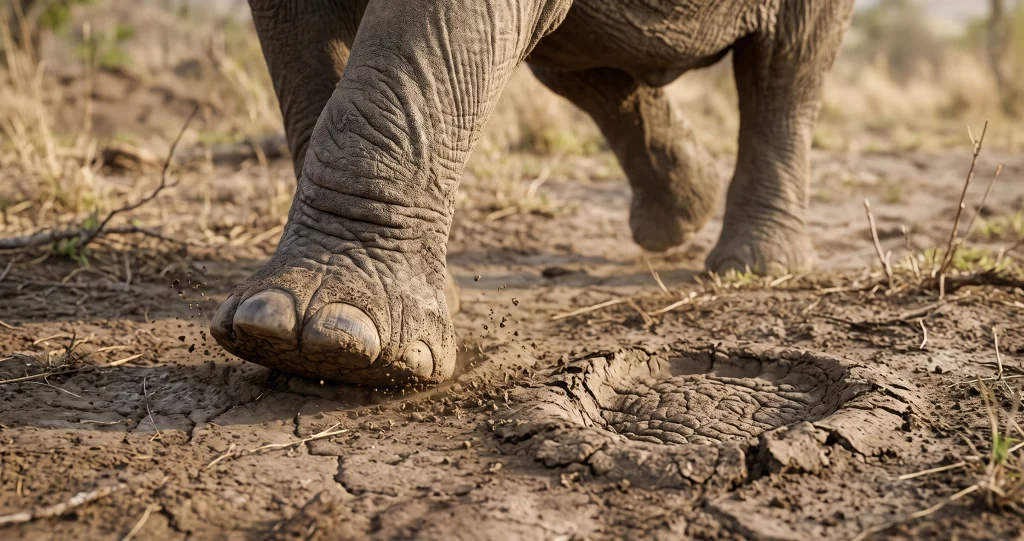
An elephant can weigh several tons, yet its enormous body rests on four remarkably specialized feet. Beneath the thick, wrinkled skin lies an intricate system of bones, tendons, connective tissues, …
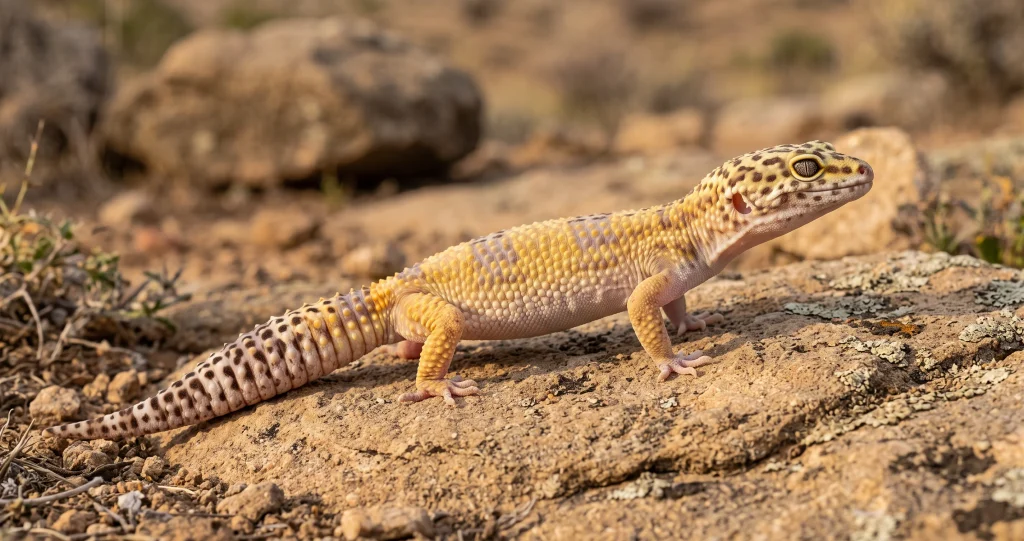
The leopard gecko (Eublepharis macularius) possesses one of the most fascinating survival adaptations in the reptile world. Its thick, spotted tail is far more than an attractive feature. It acts …
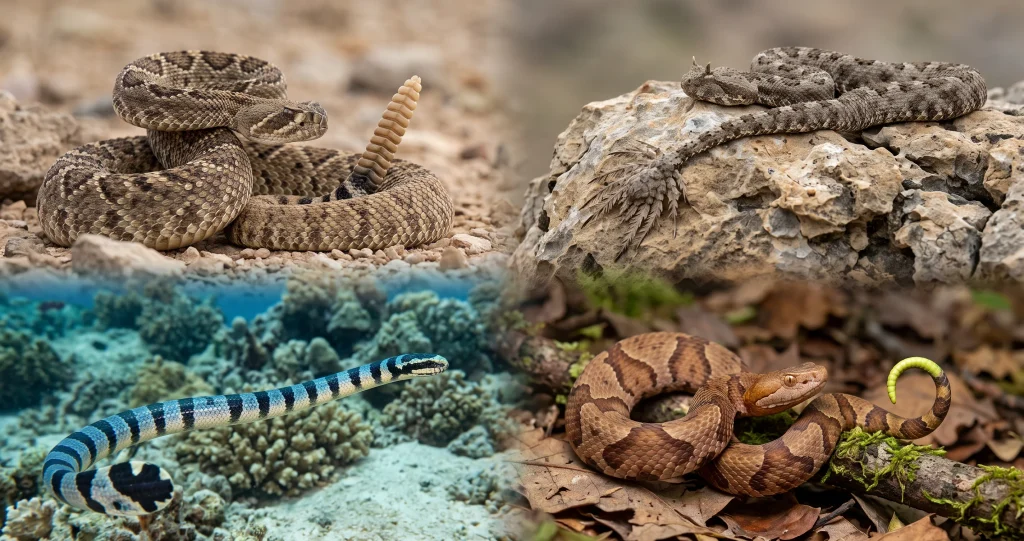
A snake’s tail might appear to be little more than the final section of its long, flexible body. Yet in some species, this seemingly simple structure has evolved into a …
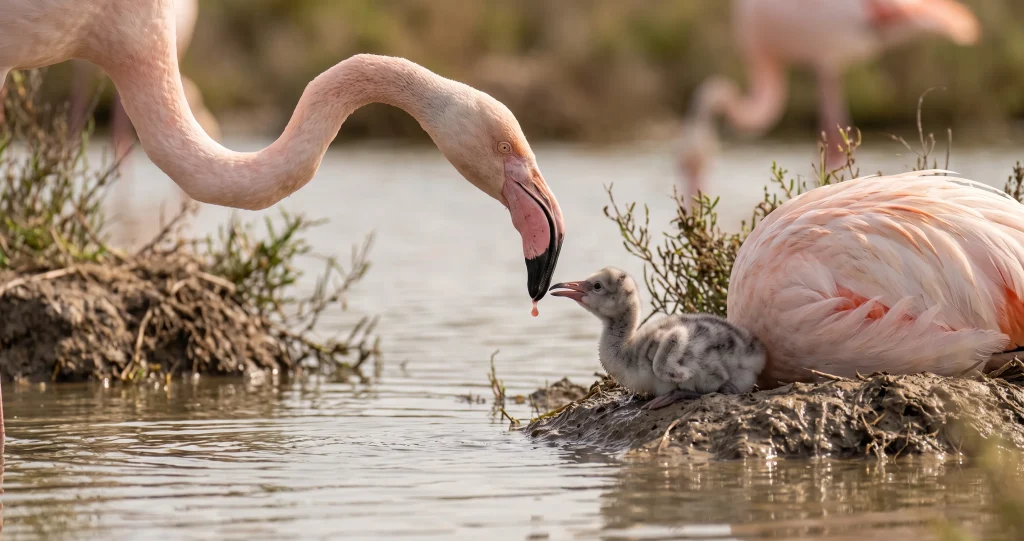
Flamingos are famous for their elegant necks, long legs, and brilliant pink feathers. Yet one of their most extraordinary biological adaptations has nothing to do with their appearance. It involves …
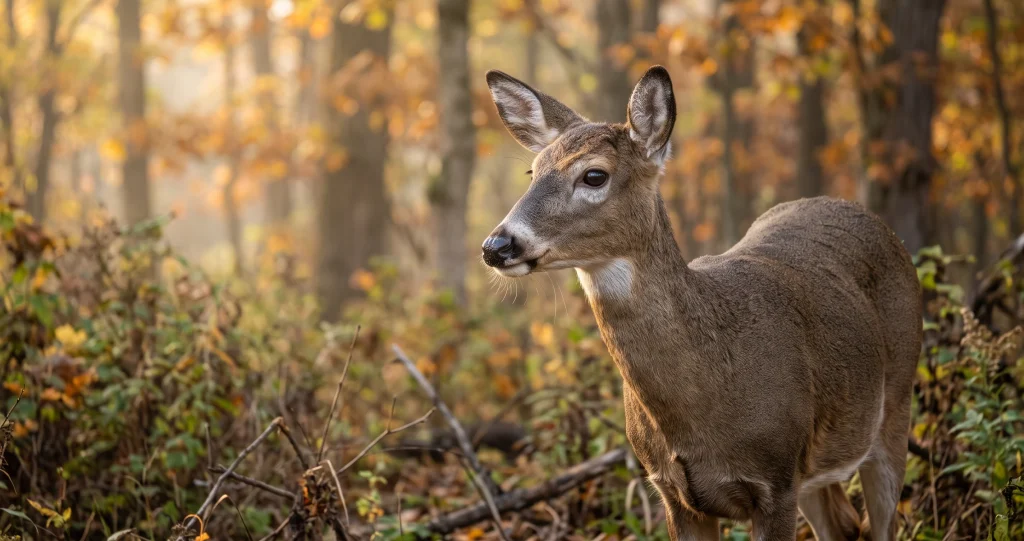
White-tailed deer are among North America’s most recognizable woodland mammals, yet their familiar appearance conceals a remarkable collection of biological adaptations. From the sudden flash of a white tail to …
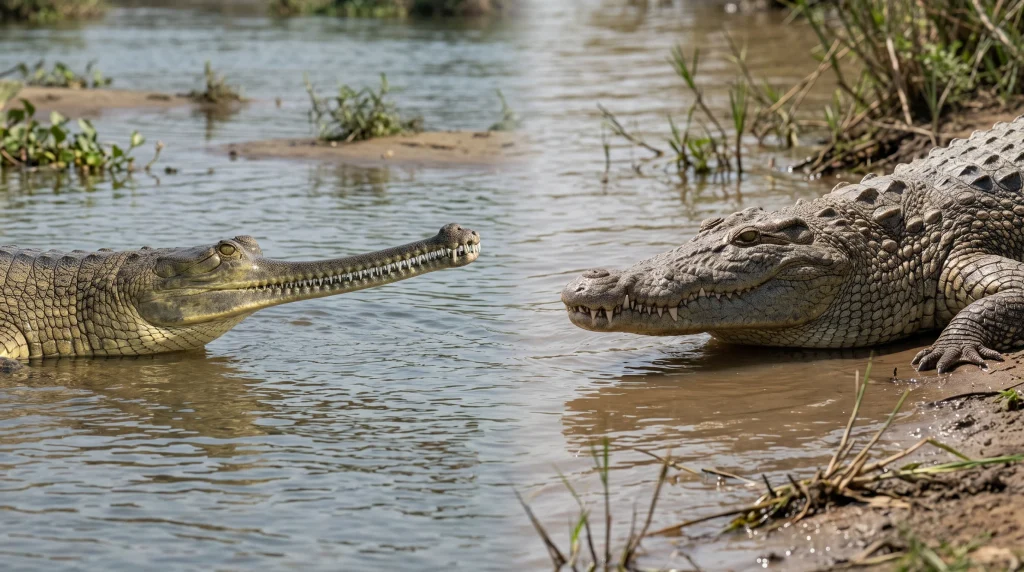
The gharial (Gavialis gangeticus) is one of the most unusual living crocodilians. Its extraordinarily long, narrow snout, lined with sharp, interlocking teeth, looks almost impossible beside the broad jaws of …
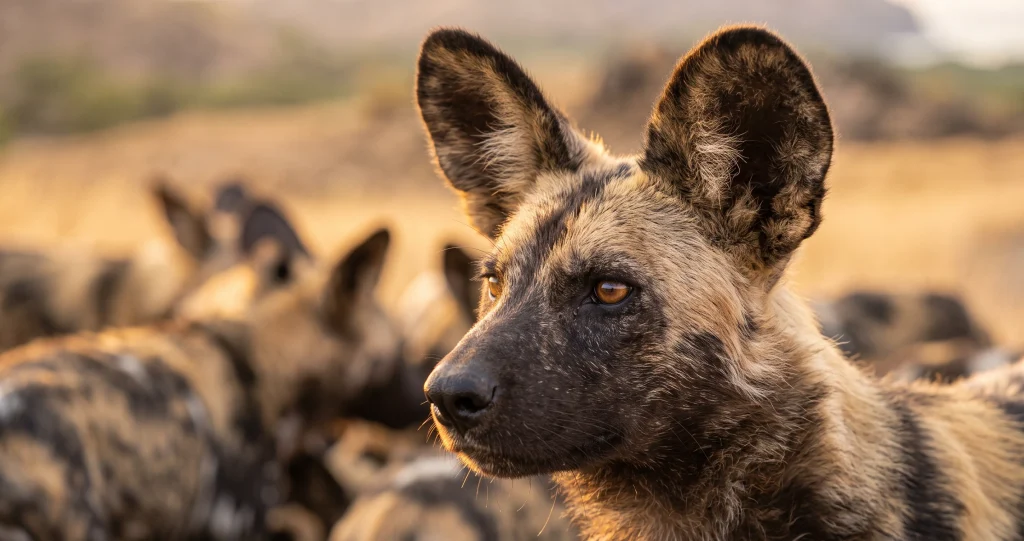
A pack of African wild dogs has been resting in the shade. Suddenly, the animals rise, crowd together, wag their tails, touch noses, and burst into an energetic social ceremony. …
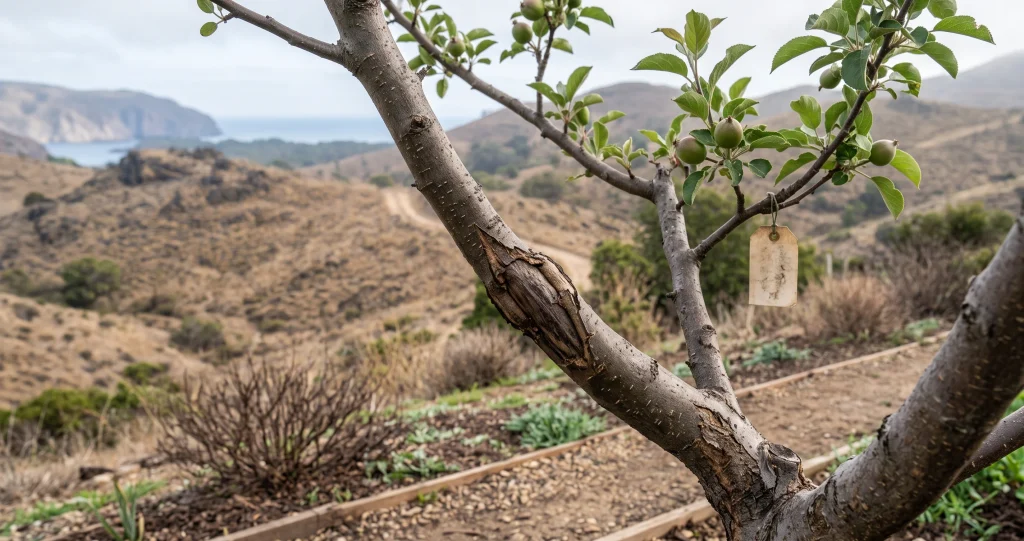
Imagine walking up to one apple tree and picking a green apple from one branch, a red apple from another, and a completely different cultivar from a third. That sounds …