How Cuttlefish “Hypnotize” Their Prey With a Pulsing Light Show
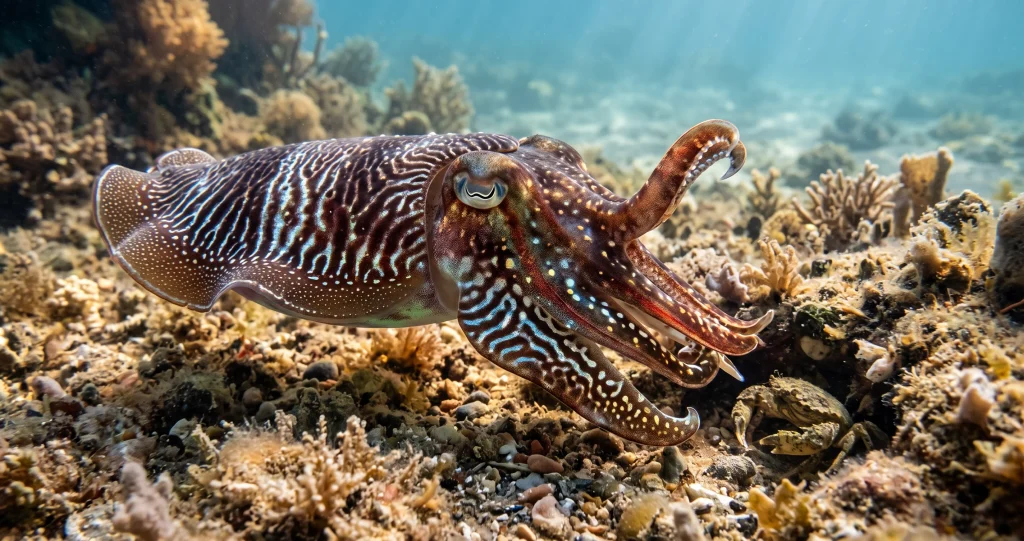
A cuttlefish closing in on a crab can suddenly transform into something that looks almost unreal. Dark bands appear to flow repeatedly across its pale head and arms while the …
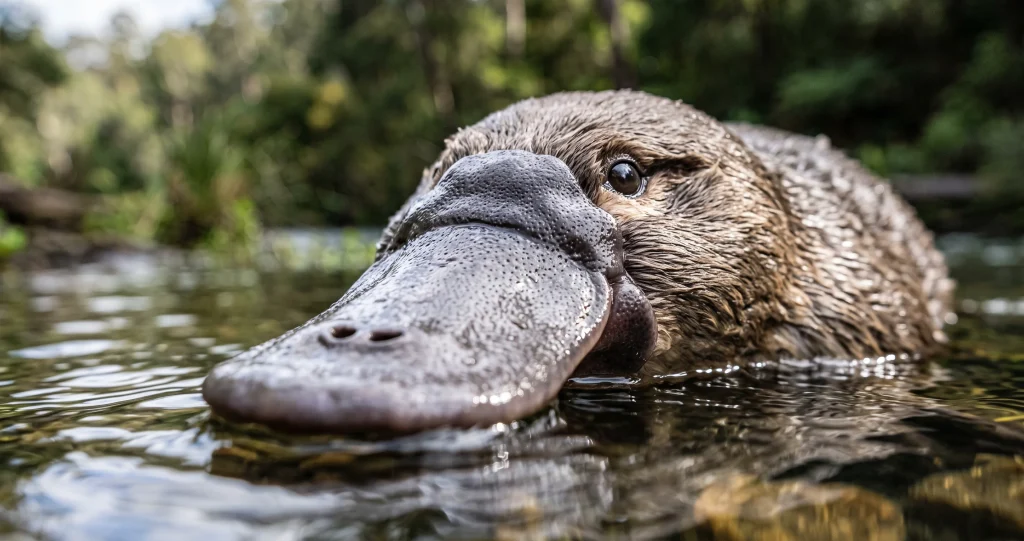
The platypus looks as if several unrelated animals were combined into one body: dense mammalian fur, a broad sensitive bill, webbed feet, a beaver-like tail, and an egg-laying reproductive system. …
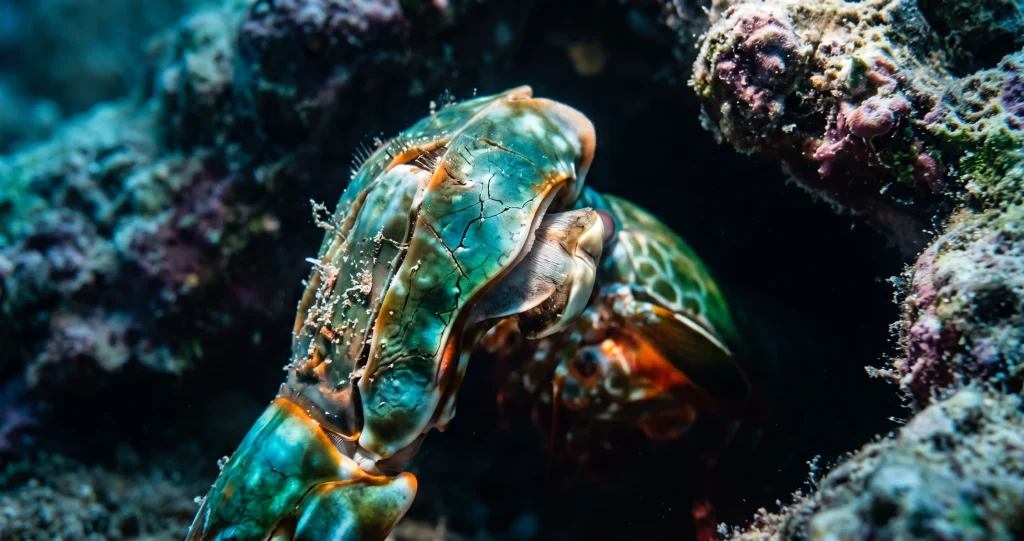
A mantis shrimp does not look like an animal capable of producing one of the fastest strikes in the ocean. Yet some “smasher” species accelerate a hammer-like appendage so rapidly …
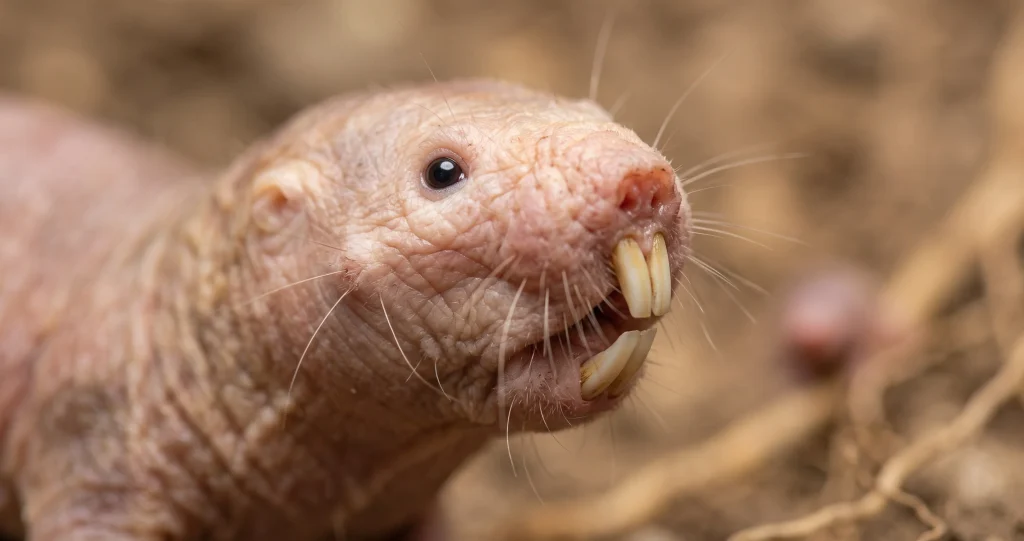
Naked mole rats look fragile: wrinkled skin, tiny eyes, prominent teeth, and bodies barely larger than a mouse. Yet beneath that unusual appearance lies one of the most remarkable biological …
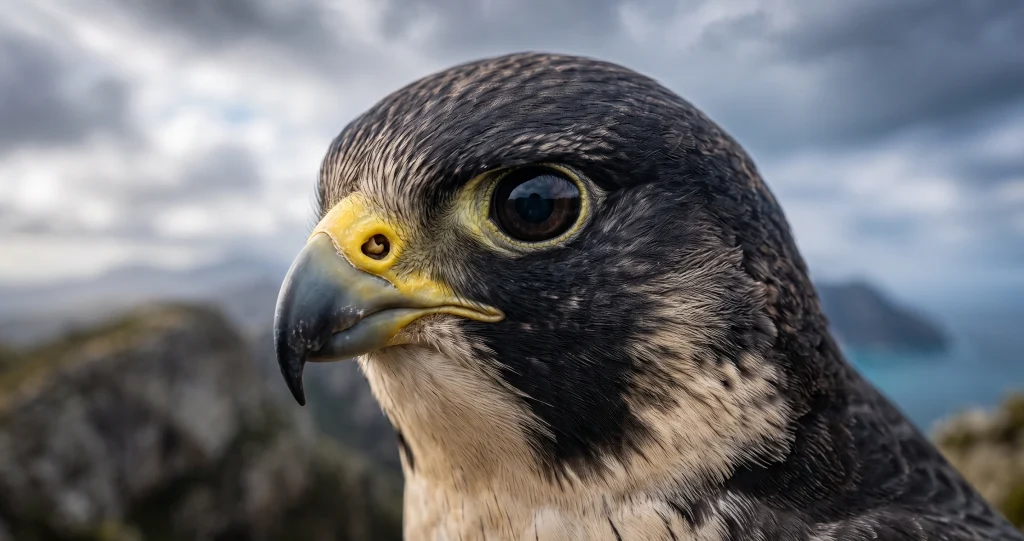
A peregrine falcon high above the landscape can transform from a soaring bird into one of nature’s most extraordinary high-speed predators in seconds. During its specialized hunting dive, known as …
If your Monstera has started producing long brown or greenish roots from its stem, there is usually no reason to worry. These strange-looking growths are monstera aerial roots, a normal …
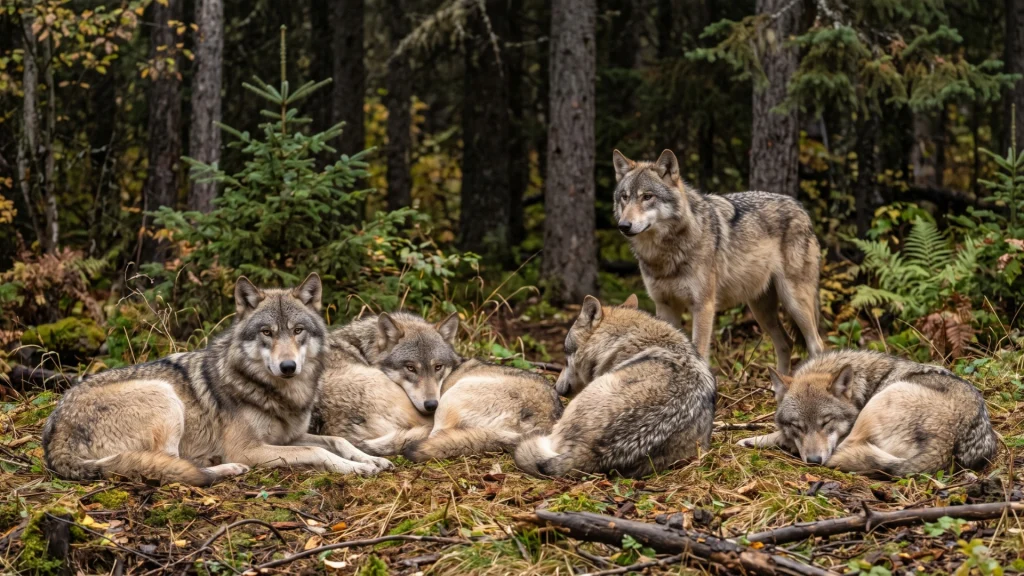
For decades, wolves have been portrayed as locked in a constant struggle for status. According to the familiar story, every pack has a powerful “alpha male” who fights his way …
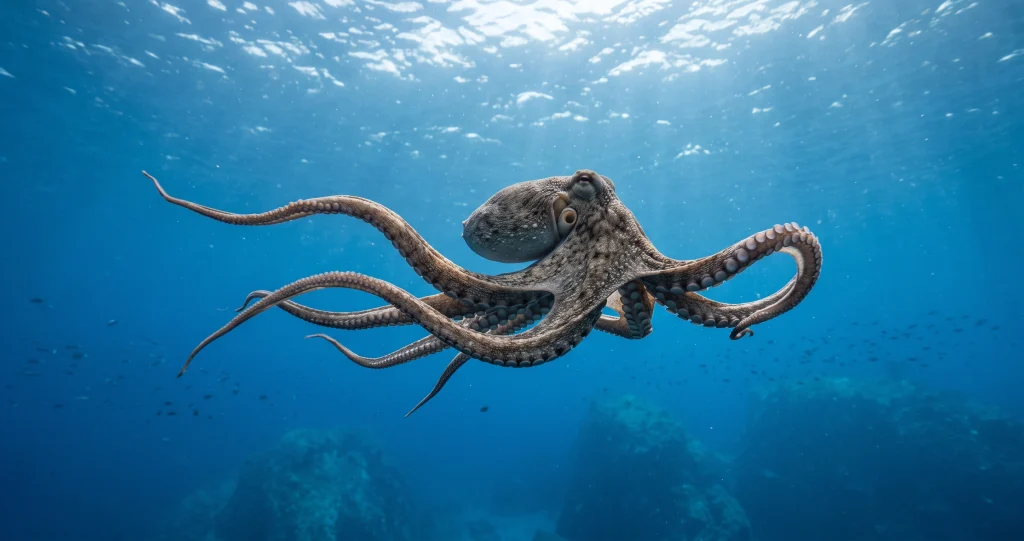
An octopus already looks like an animal designed by a very imaginative engineer: eight flexible arms, hundreds of suckers, remarkable camouflage, and a nervous system unlike our own. But some …
An octopus can rest against a pale patch of sand, move toward a reef, and suddenly appear mottled with browns, creams, and dark patches. This extraordinary octopus camouflage is not …
For nearly two centuries, a pangolin specimen collected in Nepal sat in a natural-history collection carrying evidence that scientists could not fully read when it was collected. Modern analysis of …