Why Wolverines Are So Good at Traveling Through Deep Snow
A wolverine crossing a snow-covered mountain can look remarkably well suited to the landscape. Its broad feet spread with each step, its compact body stays low to the ground, and …
One of the most recognizable features of the snow leopard is its remarkably long, thick, and fluffy tail. At first glance, it may appear oversized compared to the rest of …
Introduction An elephant’s trunk, a mole’s pointed snout, the enormous nose of a proboscis monkey, and the moisture-covered muzzle of a deer may look completely different, but each represents an …
Introduction A tiger’s bold stripes, a leopard’s intricate rosettes, the snowy camouflage of an Arctic fox, and the striking black-and-white markings of a skunk all tell a story far deeper …
Introduction For many animals, survival depends not on strength or speed but on the ability to hear danger before it arrives. Across deserts, forests, grasslands, and savannas, evolution has shaped …
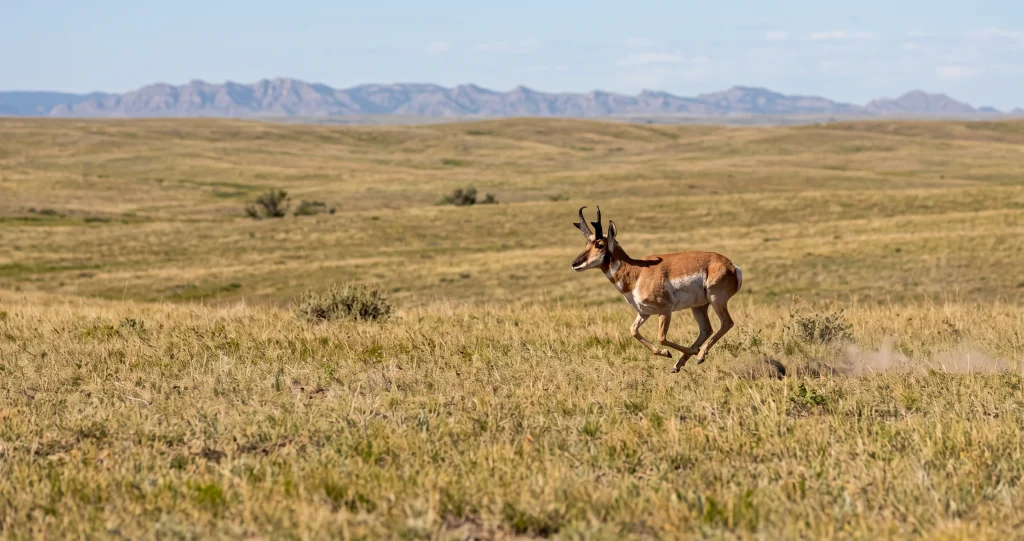
Introduction Stretching from the Canadian Prairies through the central United States and into northern Mexico, the Great Plains form one of the largest temperate grassland ecosystems on Earth. Although they …
Introduction From the frozen forests of Canada to the tropical rainforests of the Amazon and the windswept grasslands of Patagonia, the Americas are home to one of the world’s greatest …