Why Wood Storks Poop on Their Legs: The Science of Urohidrosis
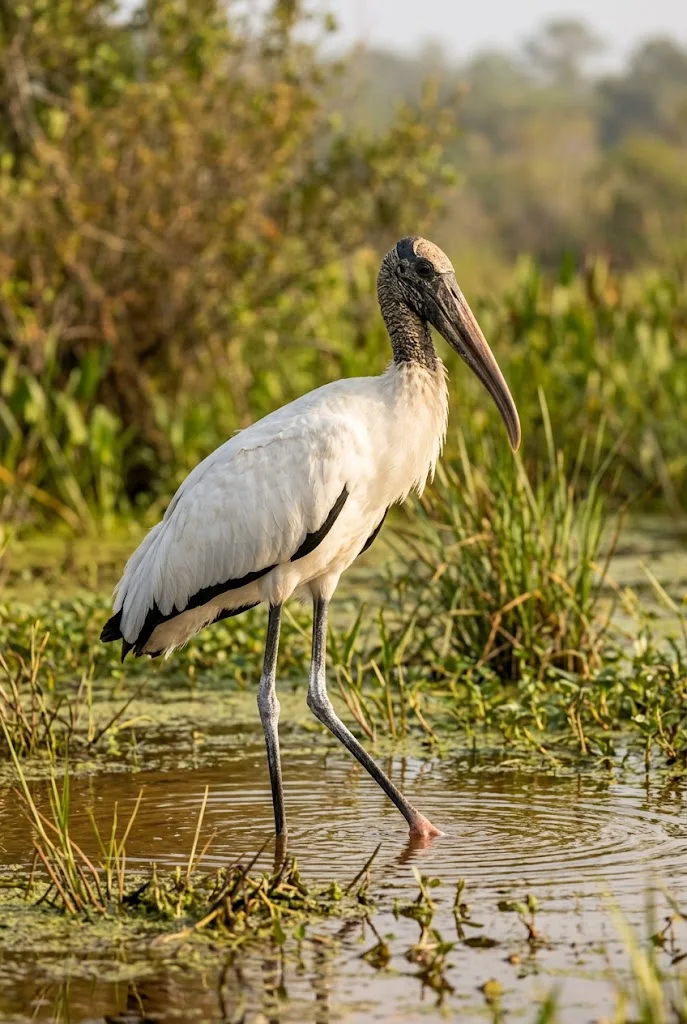
Why wood storks poop on their legs is one of the most fascinating examples of natural cooling in the bird world. These large wetland birds use an unusual behavior called …

Why wood storks poop on their legs is one of the most fascinating examples of natural cooling in the bird world. These large wetland birds use an unusual behavior called …
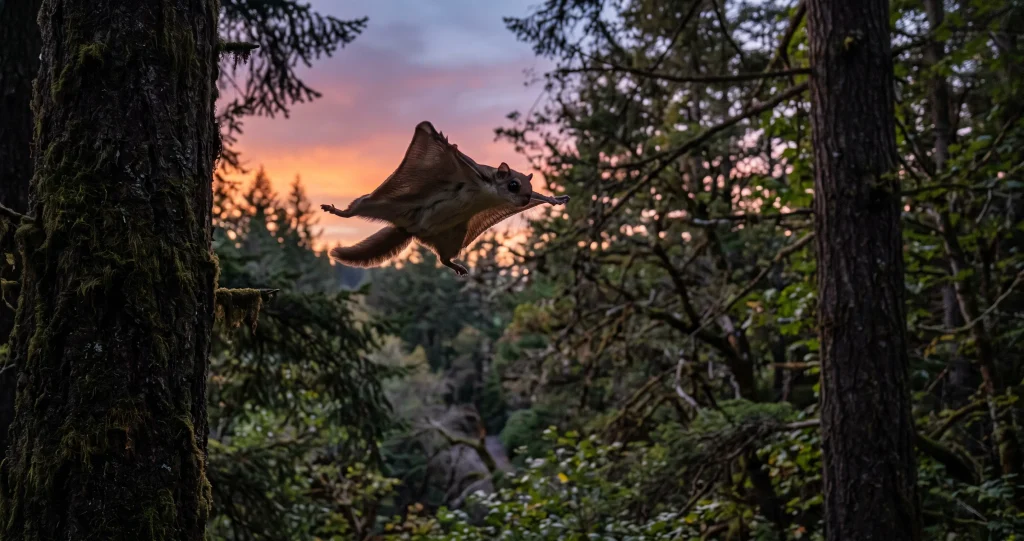
Flying squirrels have one of the most misleading names in the animal kingdom. They can cross impressive gaps between trees, turn in midair, and make controlled landings, but they never …
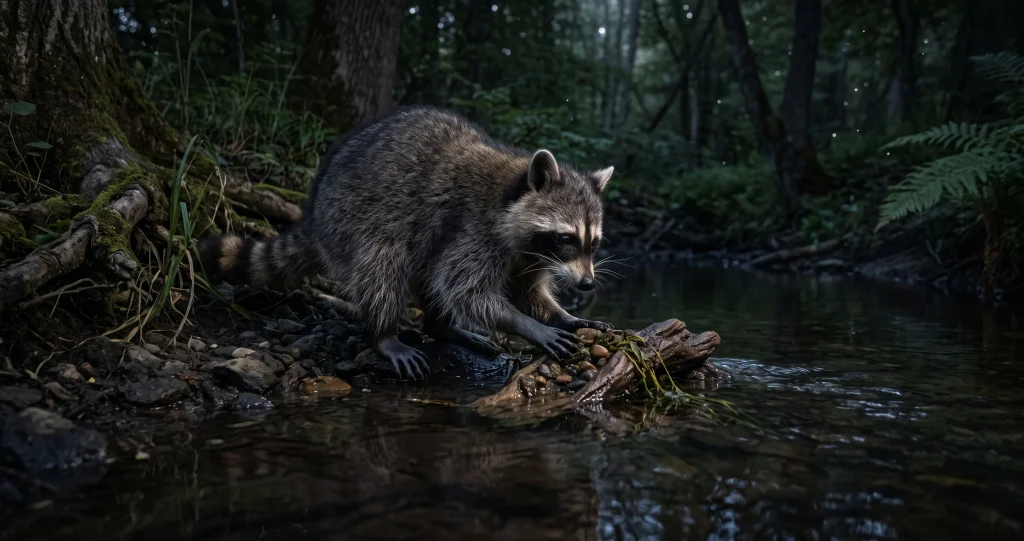
Watch a raccoon investigate a stream bank and its front paws rarely stay still. The long, mobile digits probe beneath stones, rotate objects, feel along surfaces, and gather information even …
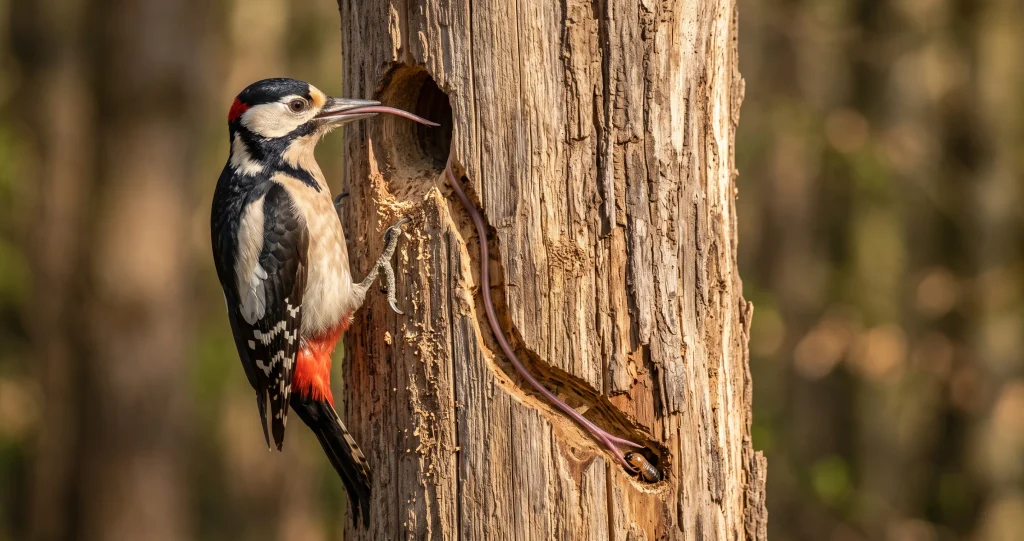
A woodpecker’s bill may do the drilling, but reaching food hidden deep inside wood often requires another remarkable tool. Woodpecker tongue anatomy includes a specialized tongue-supporting system that allows some …
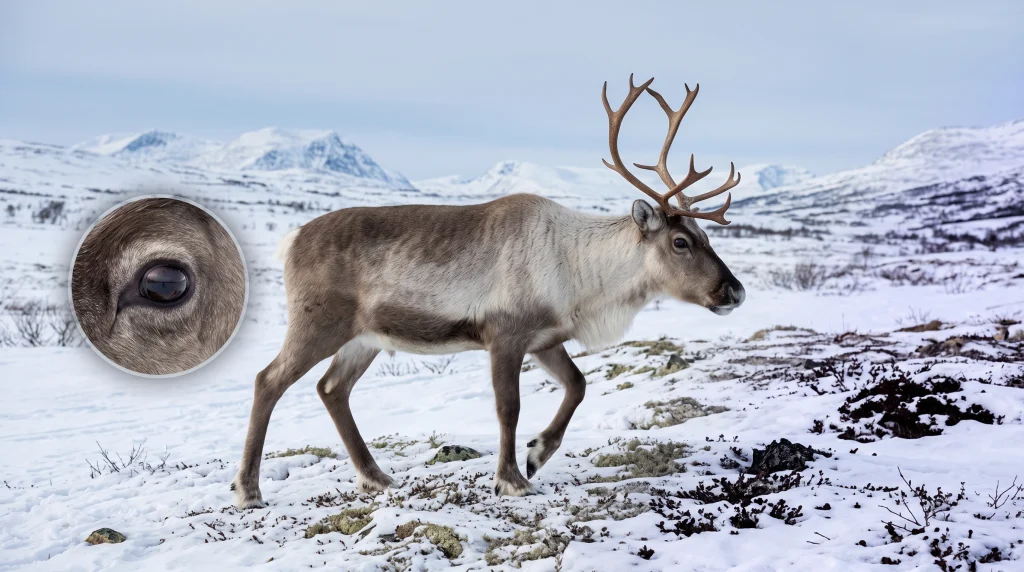
Across an Arctic winter landscape, snow can dominate almost everything the human eye sees. Hills, frozen ground, and wind-shaped drifts merge into a bright environment where objects may appear to …
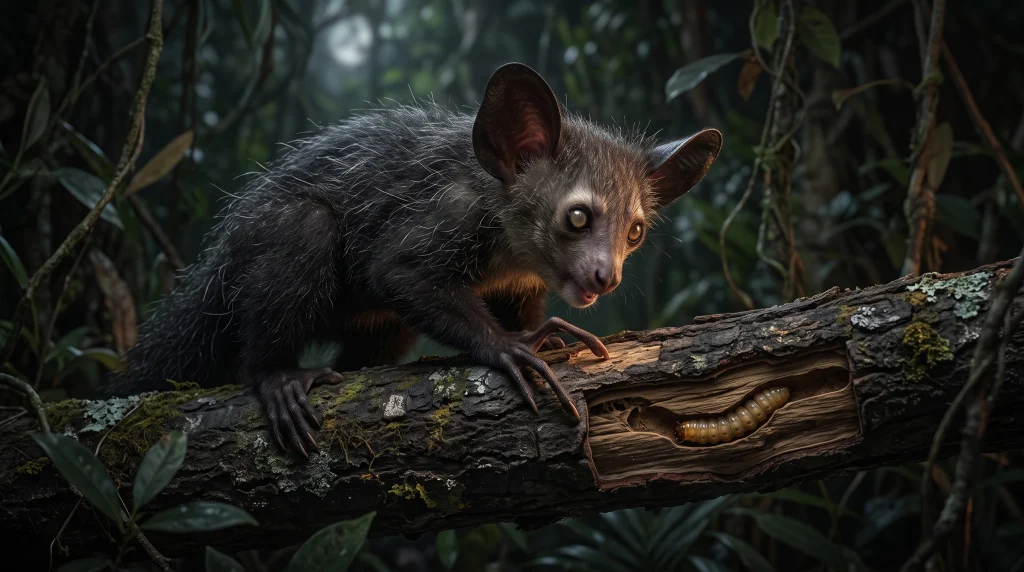
In a Madagascar forest after dark, an aye-aye moves deliberately along a branch. Its large ears stand forward while its hands explore the wood. Then one remarkably thin finger begins …
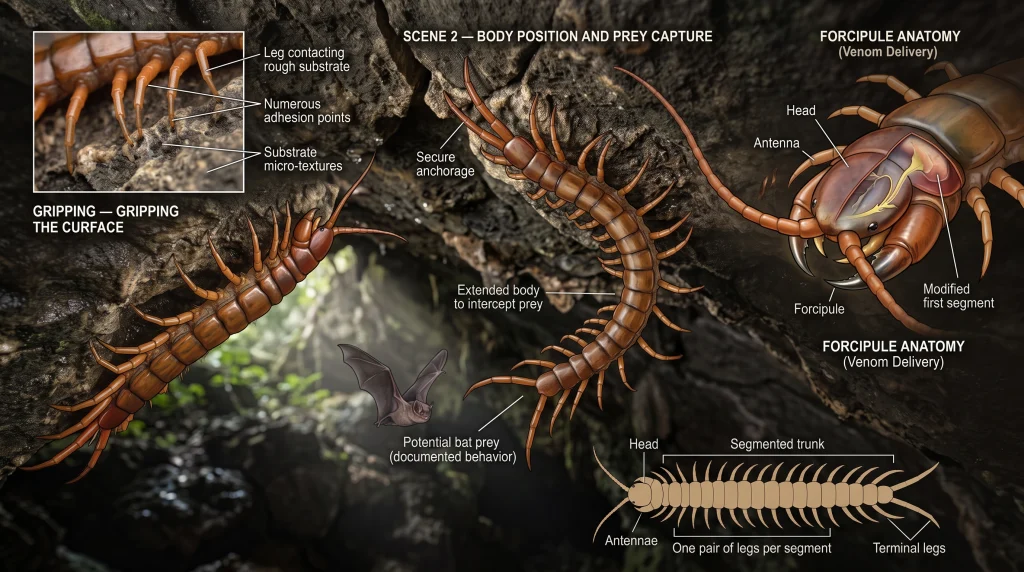
Inside a humid tropical cave, the ceiling can be as biologically active as the floor. Bats cluster against limestone surfaces, arthropods move through cracks and crevices, and predators exploit opportunities …
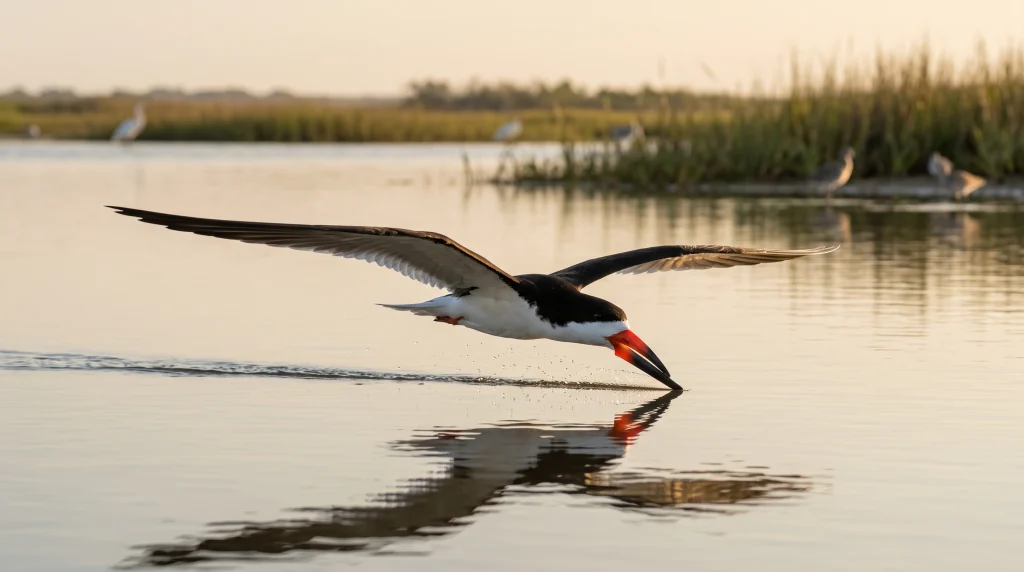
A Black Skimmer glides just above quiet coastal water, its long wings carrying its body only centimeters above the surface. The bird appears almost to be tracing a line across …
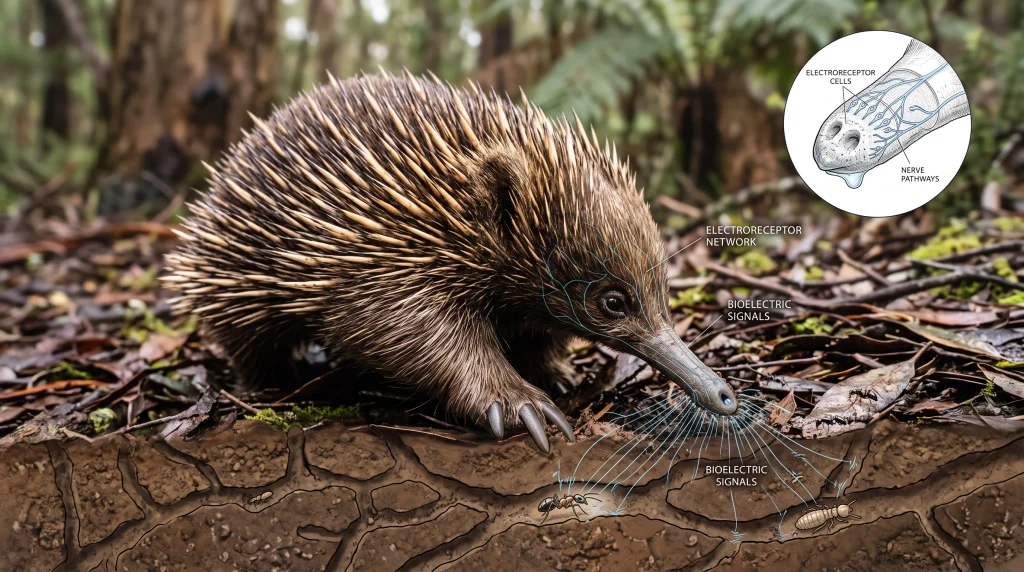
An echidna moving across an Australian forest floor can look almost methodical. Its head stays low as it noses through leaf litter, investigates rotting wood and presses its long, narrow …