Why Wood Storks Poop on Their Legs: The Science of Urohidrosis
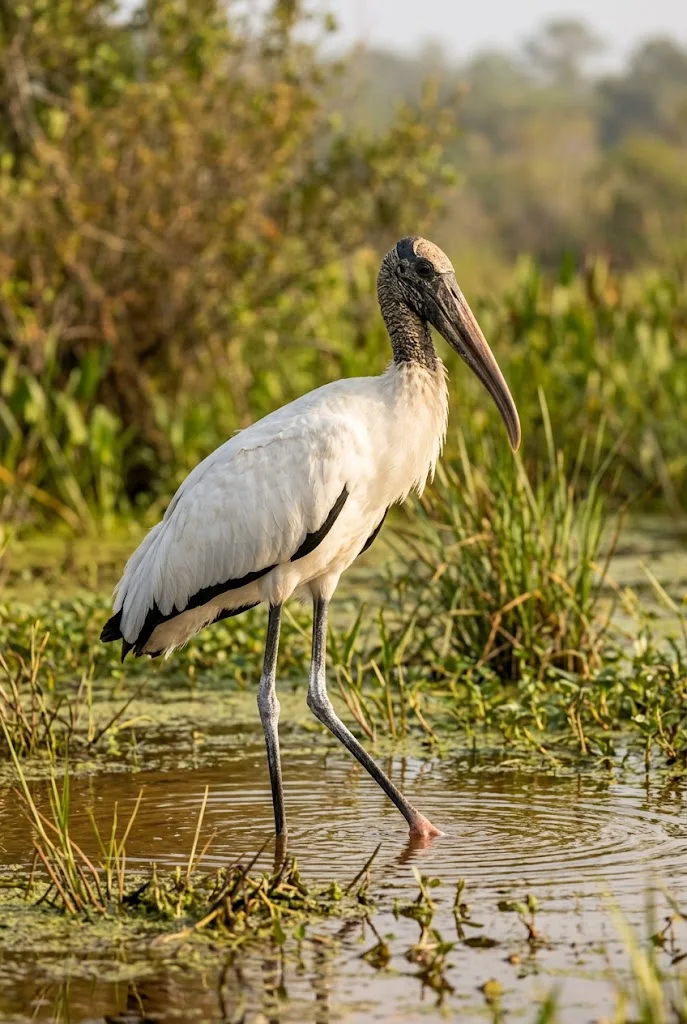
Why wood storks poop on their legs is one of the most fascinating examples of natural cooling in the bird world. These large wetland birds use an unusual behavior called …

Why wood storks poop on their legs is one of the most fascinating examples of natural cooling in the bird world. These large wetland birds use an unusual behavior called …
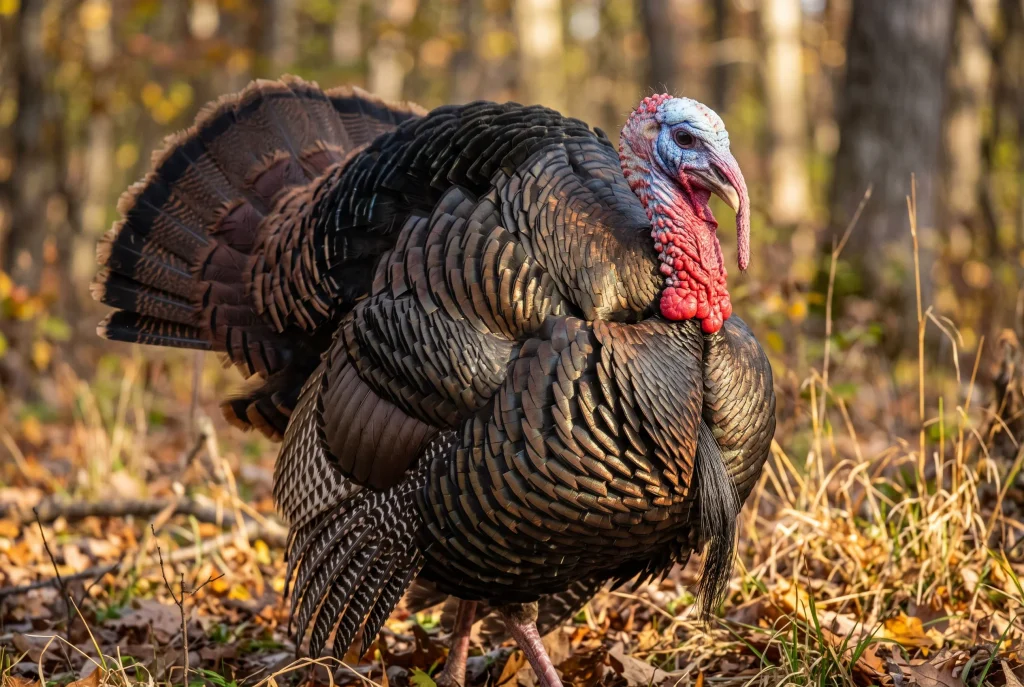
A wild turkey’s head can shift from pale pink to brilliant red, blue, and white, sometimes during a single courtship display. These dramatic changes are not caused by feathers or …
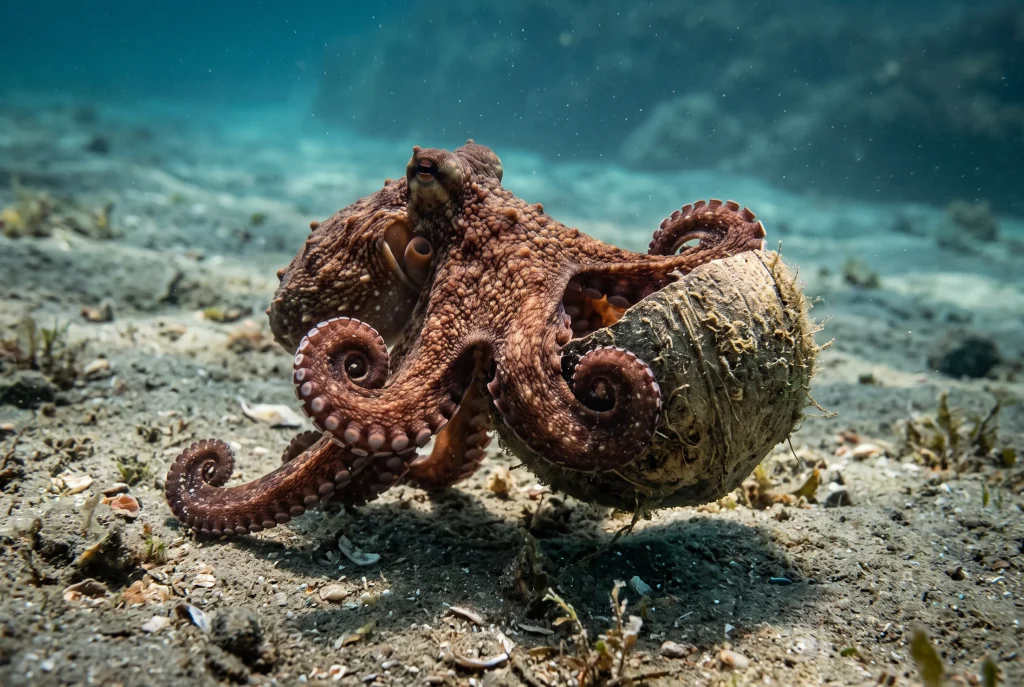
Imagine an octopus moving across the ocean floor while carrying part of a coconut shell beneath its body. After reaching a suitable location, it stops, arranges the shell, and uses …
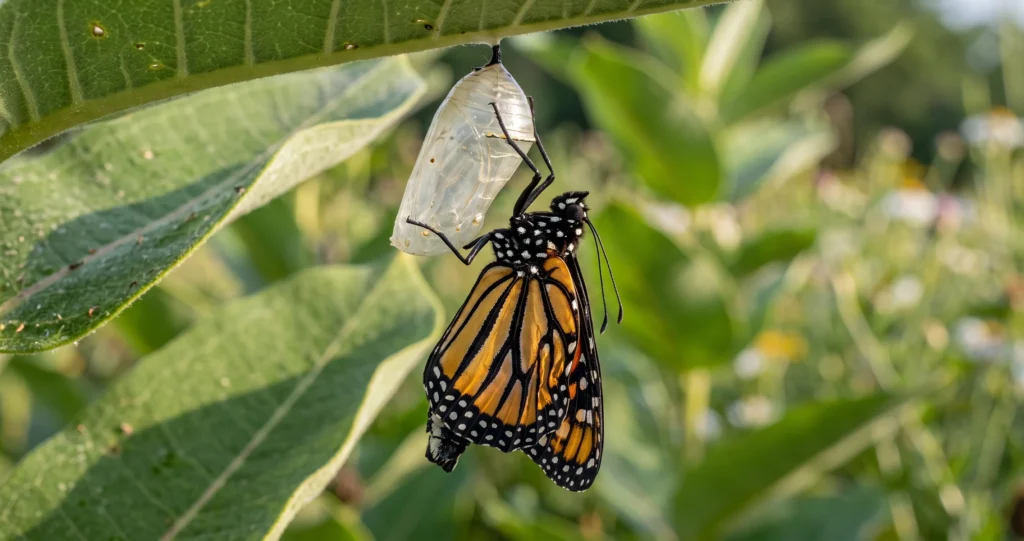
Inside a monarch butterfly chrysalis, an extraordinary biological transformation turns a milkweed-eating caterpillar into a beautiful orange-and-black butterfly. Although the green chrysalis appears motionless, complex changes are taking place beneath …
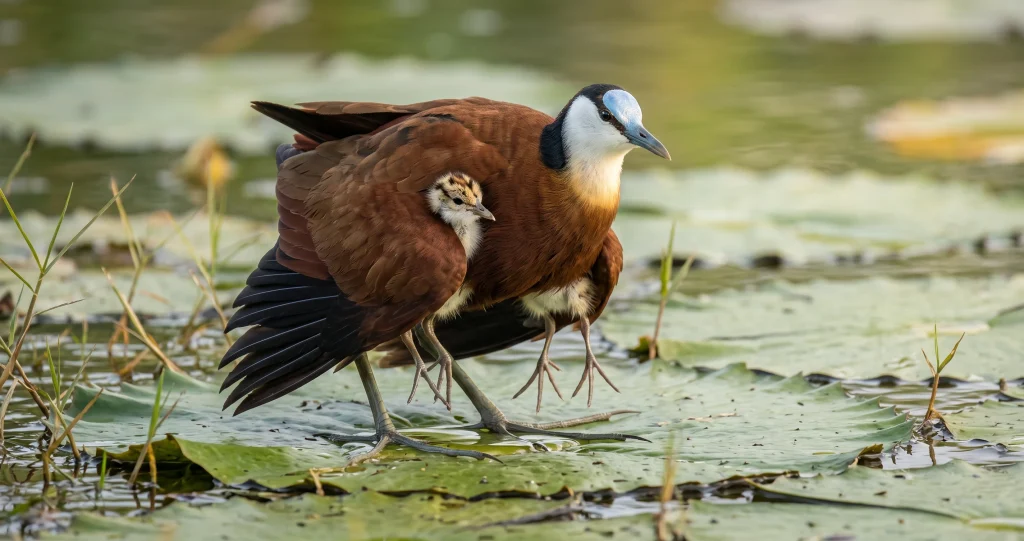
Imagine watching a bird walk across a floating carpet of lily pads. Its slender body, chestnut-brown feathers, and remarkably long toes make it an unusual sight. But suddenly, something even …
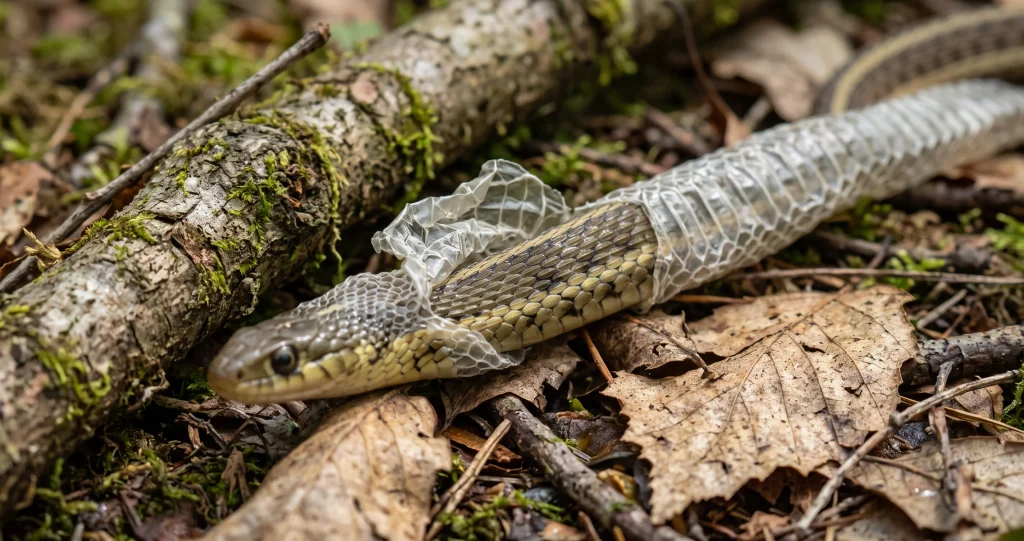
Finding an abandoned snakeskin in the grass can feel like discovering a ghostly copy of an animal that has vanished. The delicate covering may preserve the shape of individual scales, …
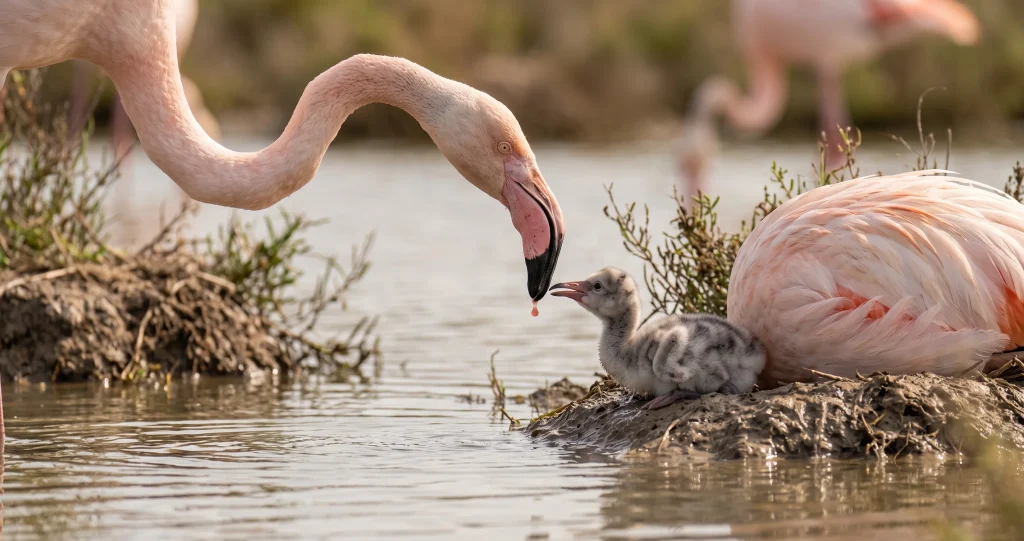
Flamingos are famous for their elegant necks, long legs, and brilliant pink feathers. Yet one of their most extraordinary biological adaptations has nothing to do with their appearance. It involves …

White-tailed deer are among North America’s most recognizable woodland mammals, yet their familiar appearance conceals a remarkable collection of biological adaptations. From the sudden flash of a white tail to …
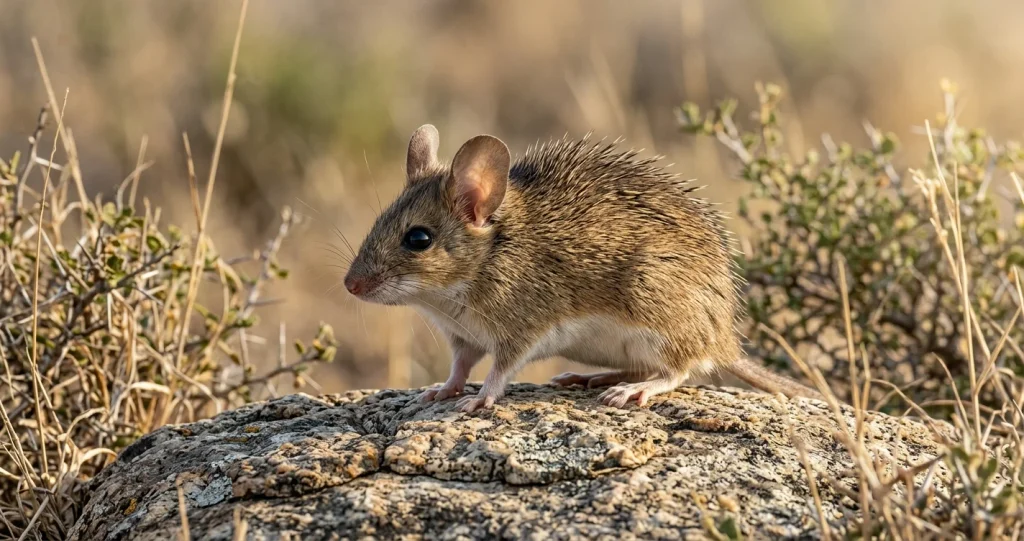
Imagine a tiny mammal escaping a predator by leaving part of its skin behind. For most mammals, such an injury would be devastating, potentially causing extensive scarring and permanent damage. …
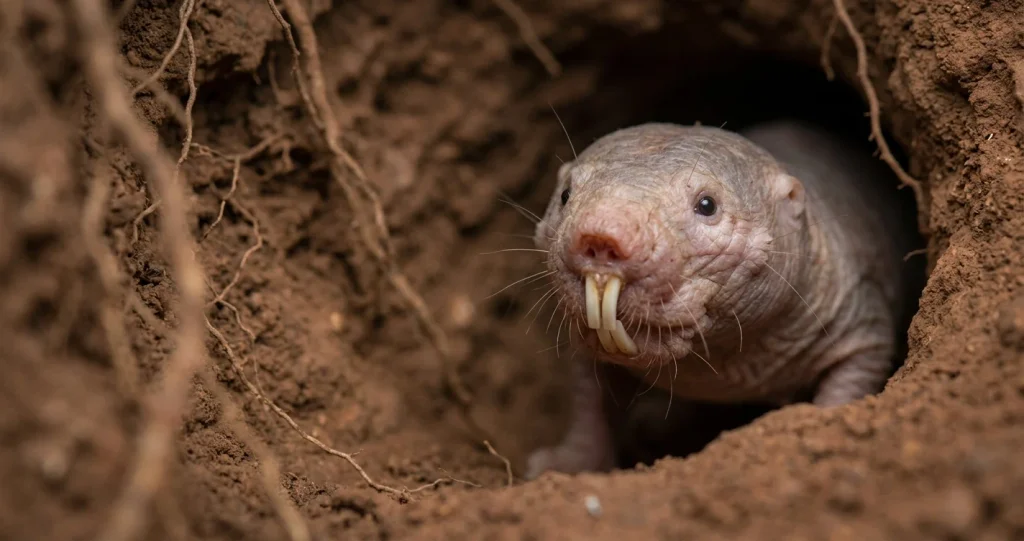
Naked Mole-Rat Without Oxygen: How It Survives 18 Minutes How can a naked mole-rat without oxygen survive for 18 minutes when most mammals cannot? In a remarkable laboratory experiment published …