
Introduction
Ask experienced gardeners about the tools they value most, and you’ll hear familiar answers: a sharp pair of secateurs, a reliable trowel, a sturdy wheelbarrow. Yet one of the most transformative investments rarely appears on shopping lists because it isn’t a tool at all—it’s a workspace.
A well-designed potting bench changes the way gardening happens. It creates a dedicated place for sowing seeds, transplanting seedlings, mixing potting soil, cleaning containers, storing tools, and organizing seasonal jobs. Instead of searching for equipment or working while bent over on the ground, every task can be completed comfortably, efficiently, and with far less frustration.
In many ways, a potting bench illustrates an important principle shared by professional gardeners, carpenters, chefs, and artists alike: the quality of the working environment often determines the quality of the work itself.
Whether you’re growing vegetables, maintaining ornamental borders, or caring for container plants, a thoughtfully designed potting bench can save time, reduce physical strain, and make gardening more enjoyable throughout the year.
What Is a Potting Bench?
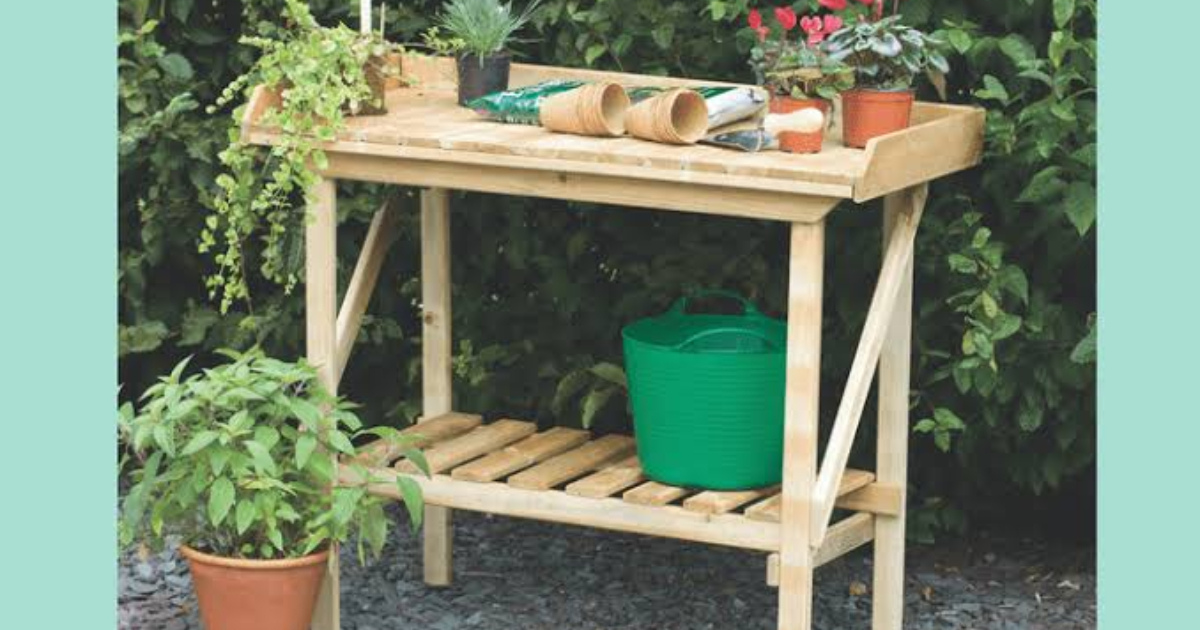
A potting bench is a dedicated outdoor or greenhouse workstation designed specifically for gardening tasks.
Unlike an ordinary table, a potting bench is built to handle soil, water, tools, and frequent use. Most include a sturdy work surface along with storage for pots, compost, hand tools, and other gardening supplies.
A typical potting bench may include:
- A durable worktop.
- Lower storage shelves.
- Hooks for hand tools.
- Bins for potting mix.
- Drawers for labels and seed packets.
- Shelves for watering cans and fertilizers.
- Space for trays of seedlings.
Some are simple DIY projects, while others are professionally manufactured from timber, metal, or recycled materials.
Why a Dedicated Workspace Matters
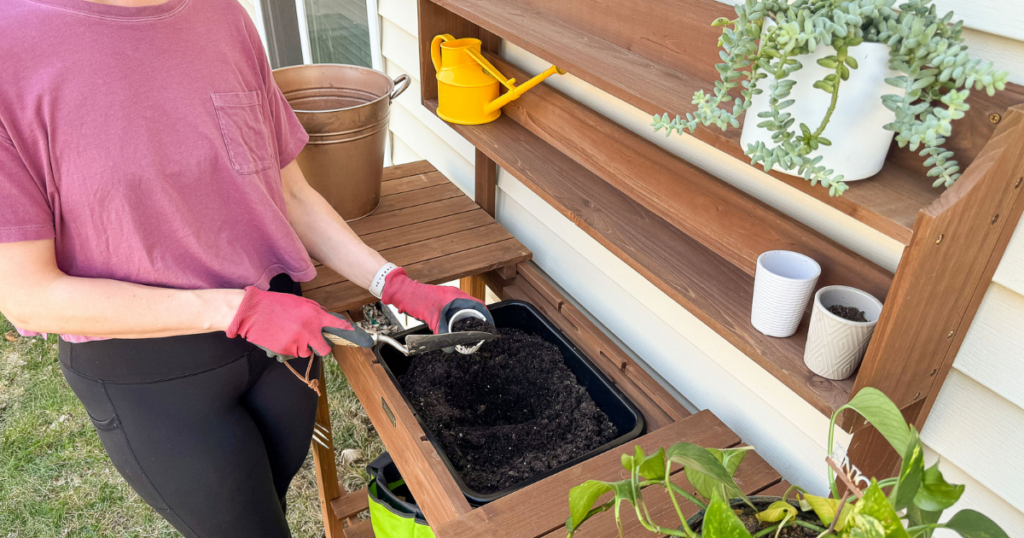
Gardening often involves dozens of small tasks.
Seeds need sowing.
Seedlings require transplanting.
Containers must be cleaned.
Plants need dividing.
Without an organized workspace, these jobs become scattered across patios, kitchen tables, garage floors, or lawns.
A dedicated bench keeps everything together.
The result is:
- Faster work.
- Better organization.
- Less wasted time.
- Cleaner working conditions.
- Fewer misplaced tools.
Instead of constantly searching for equipment, gardeners can focus on the plants themselves.
Better Ergonomics, Less Fatigue
Many gardening jobs require long periods of bending.
Filling pots on the ground places considerable strain on the lower back, knees, and shoulders.
A properly sized potting bench raises the work surface to a comfortable height.
This allows gardeners to:
- Stand naturally.
- Reduce back strain.
- Improve posture.
- Work longer without discomfort.
- Handle delicate seedlings more accurately.
Although the ideal height varies between individuals, many benches are built approximately waist height to minimize repeated bending.
Cleaner Gardening
Potting soil has a remarkable ability to spread everywhere.
Without a dedicated workspace, compost often ends up on patios, driveways, or indoor floors.
A potting bench helps contain:
- Soil.
- Compost.
- Sand.
- Fertilizer.
- Plant debris.
- Empty pots.
Cleanup becomes much easier because the work remains concentrated in one area.
Some gardeners position their bench beside compost bins or garden beds so spilled soil can simply be swept back into use.
Organization Saves Time
One of the greatest advantages of a potting bench is efficient storage.
Frequently used items remain within easy reach.
Commonly stored supplies include:
- Hand trowels.
- Dibbers.
- Secateurs.
- Plant labels.
- Seed packets.
- Gloves.
- Twine.
- Watering cans.
- Small pots.
- Trays.
- Potting mix.
Good organization reduces interruptions and makes gardening sessions more productive.
A Better Place for Seed Starting
Spring is one of the busiest times in any garden.
Hundreds of seeds may need sowing over several weeks.
A potting bench provides space to:
- Fill seed trays.
- Label varieties.
- Water newly sown seeds.
- Prepare propagation containers.
- Organize seedlings by planting date.
Keeping these activities in one location also reduces the chance of accidentally mixing varieties or damaging fragile young plants.
Ideal for Repotting Plants
Repotting often involves loose soil, root pruning, and watering.
A stable work surface makes these jobs much easier.
Many gardeners choose benches with raised edges around the worktop.
These help contain spilled compost and make it easier to return unused material to storage.
Building the Perfect Potting Bench
The best potting bench is not necessarily the most expensive.
Instead, it should match the gardener’s working style.
Important features include:
Comfortable Height
The work surface should allow relaxed posture without excessive bending.
Durable Materials
Popular choices include:
- Cedar.
- Redwood.
- Pressure-treated timber suitable for outdoor use.
- Galvanized steel.
- Powder-coated metal.
- Recycled composite materials.
Outdoor benches should tolerate rain, sunlight, and changing temperatures.
Weather Resistance
Wood benefits from proper finishing or naturally durable species.
Metal should resist corrosion.
Fasteners should be suitable for outdoor conditions.
Stable Construction
A potting bench must support heavy bags of compost, watering cans, and large containers without wobbling.
Storage Features Worth Having
Simple additions greatly improve usability.
Useful features include:
Hooks
Perfect for:
- Hand forks.
- Trowels.
- Pruners.
- Gloves.
Shelves
Lower shelves hold:
- Bags of compost.
- Empty pots.
- Buckets.
- Fertilizer.
Drawers
Small drawers keep:
- Plant labels.
- Markers.
- Seeds.
- Measuring spoons.
- Garden string.
Hanging Rail
Ideal for frequently used tools that should remain visible.
Choosing the Best Location
Location influences how often a potting bench gets used.
A good location should be:
- Close to the main garden.
- Near a water source.
- Convenient for transporting soil.
- Accessible in wet weather.
- Bright enough for detailed work.
- Sheltered from extreme weather if possible.
Many gardeners place benches beside greenhouses or sheds where tools are already stored.
Potting Bench or Garden Workstation?
Modern garden workstations often expand on the traditional potting bench.
Additional features may include:
- Built-in sinks.
- Hose connections.
- Compost bins.
- Storage cabinets.
- Fold-down work surfaces.
- Electrical outlets for greenhouse use.
- Lighting for evening work.
While these additions improve convenience, even a simple bench can dramatically improve workflow.
DIY or Store-Bought?
Both options have advantages.
DIY Potting Bench
Benefits include:
- Custom dimensions.
- Lower cost.
- Recycled materials.
- Personalized storage.
- Satisfaction of building it yourself.
Purchased Bench
Advantages include:
- Professional construction.
- Weather-resistant finishes.
- Faster installation.
- Consistent quality.
The best choice depends on budget, available tools, and woodworking experience.
Seasonal Uses Beyond Potting
A potting bench remains useful throughout the gardening year.
Spring:
- Sowing seeds.
- Transplanting seedlings.
Summer:
- Repotting containers.
- Dividing herbs.
- Harvest processing.
Autumn:
- Cleaning pots.
- Bulb planting.
- Seed collection.
Winter:
- Tool maintenance.
- Planning next year’s garden.
- Organizing supplies.
Keeping the Bench Organized
An organized bench remains more useful.
Simple habits include:
- Returning tools after use.
- Emptying old compost regularly.
- Cleaning the work surface.
- Replacing worn labels.
- Storing seeds in dry conditions.
- Discarding broken pots.
A few minutes of tidying after each session saves considerable time later.
Practical Tips
- Build or buy a bench at a comfortable working height.
- Place it close to both the garden and a water source.
- Store frequently used tools within arm’s reach.
- Add hooks and shelves before clutter becomes a problem.
- Sweep spilled compost back into storage.
- Use weather-resistant materials for long-term durability.
Common Mistakes
Choosing a Bench That Is Too Low
Poor working height leads to unnecessary back strain.
Providing Too Little Storage
Gardening supplies accumulate quickly.
Extra shelves are rarely wasted.
Placing the Bench Too Far from the Garden
Convenience determines whether the workspace gets used regularly.
Ignoring Weather Exposure
Constant exposure to rain without suitable materials may shorten the bench’s lifespan.
Frequently Asked Questions
What is a potting bench used for?
A potting bench provides a dedicated workspace for sowing seeds, transplanting seedlings, repotting plants, mixing compost, and organizing gardening tools.
What is the best material for a potting bench?
Naturally durable woods such as cedar and redwood are popular, while galvanized steel and powder-coated metal offer excellent weather resistance.
How tall should a potting bench be?
Most gardeners prefer a work surface around waist height, though the ideal height depends on the user’s stature and comfort.
Can I build my own potting bench?
Yes. Many gardeners build simple benches using treated lumber, reclaimed wood, or recycled materials, customizing the design to suit their available space.
Is a potting bench worth it for a small garden?
Absolutely. Even compact gardens benefit from an organized workspace that improves efficiency and keeps tools and supplies in one convenient location.
Conclusion
A potting bench may seem like a simple piece of garden furniture, but its impact reaches far beyond storage. It creates a dedicated environment where gardening becomes easier, cleaner, more organized, and more enjoyable. By reducing physical strain and keeping essential tools close at hand, it allows gardeners to focus on nurturing plants rather than constantly searching for equipment or improvising workspaces.
Whether built from reclaimed timber in a backyard workshop or purchased as a professionally made workstation, a well-designed potting bench quickly becomes one of the most frequently used features in the garden. Like any good workspace, it doesn’t just improve efficiency—it encourages better work, better organization, and ultimately, a healthier, more productive garden.
Internal Linking
Learn how to propagate plants efficiently using a dedicated workspace:
https://secretsofthegreengarden.com/propagation-from-cuttings/
Prepare seedlings for outdoor planting the right way:
https://secretsofthegreengarden.com/hardening-off-seedlings/
Build healthier plants by improving your soil year-round:
https://secretsofthegreengarden.com/why-not-leave-bare-soil-winter/
Create an efficient watering system using ancient clay pot irrigation:
https://secretsofthegreengarden.com/olla-irrigation-clay-pot-watering/
Recommended External Sources
- Royal Horticultural Society (RHS): https://www.rhs.org.uk
- Missouri Botanical Garden: https://www.missouribotanicalgarden.org
- Oregon State University Extension Service: https://extension.oregonstate.edu