
Introduction
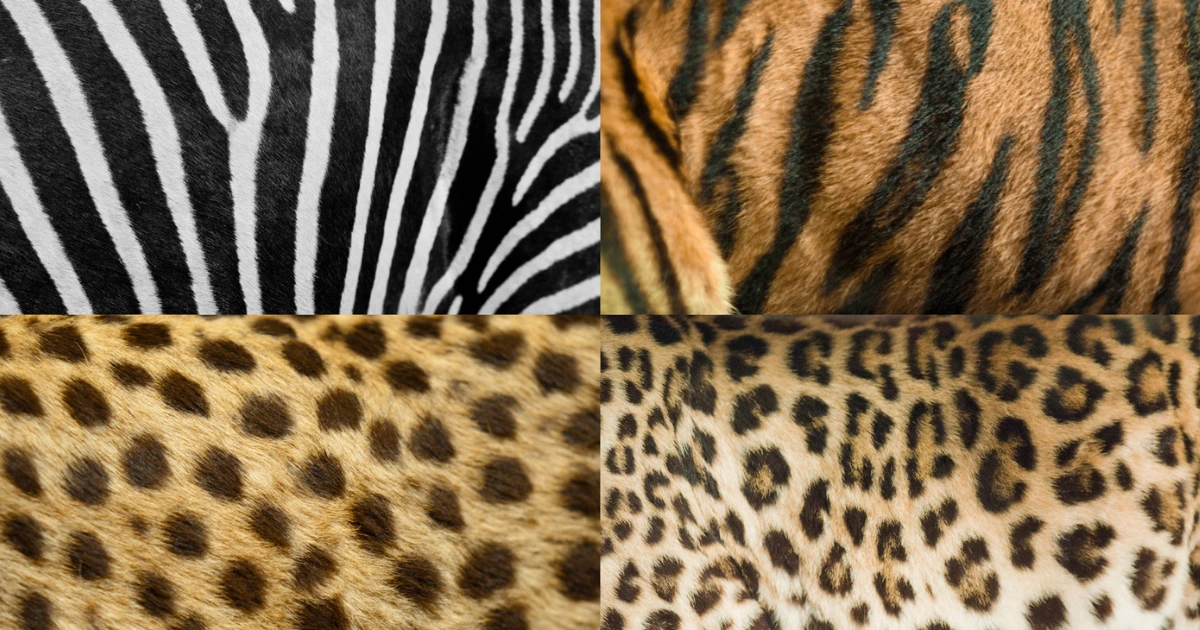
A tiger’s bold stripes, a leopard’s intricate rosettes, the snowy camouflage of an Arctic fox, and the striking black-and-white markings of a skunk all tell a story far deeper than appearance alone. Across the mammal family, fur patterns are the result of millions of years of evolution, shaped by natural selection to solve specific survival challenges.
To human eyes, these markings are beautiful. To the animals that wear them, they are practical tools. Patterns can help predators approach unnoticed, allow prey to disappear into their surroundings, signal danger to enemies, identify members of the same species, or even confuse predators during a chase.
Every stripe, spot, patch, and band reflects the habitat in which a species evolved and the pressures it faced over countless generations. By understanding why mammals look the way they do, we gain insight into the remarkable relationship between evolution, behavior, and the environments animals call home.
Why Do Mammals Have Fur Patterns?
Fur coloration and patterns are influenced by genetics, but natural selection determines which traits become common over time.
Patterns may serve several important functions, including:
- Camouflage.
- Predator avoidance.
- Hunting success.
- Communication.
- Species recognition.
- Individual identification.
- Temperature regulation in some cases.
Many mammals benefit from more than one of these functions simultaneously.
Camouflage: Disappearing into the Landscape
The most common purpose of fur patterns is camouflage.
Animals that blend into their surroundings are less likely to be detected, whether they are avoiding predators or stalking prey.
Different habitats favor different patterns.
Examples include:
- Forests.
- Grasslands.
- Snowfields.
- Rocky terrain.
- Deserts.
- Wetlands.
Stripes: Breaking Up the Body Outline
Stripes do more than decorate an animal.
They help disrupt the body’s outline, making it harder for predators or prey to judge shape, movement, and distance.
Tigers
Tiger stripes provide surprisingly effective camouflage.
Although bright orange stands out to humans, many prey animals have limited color vision. Against sunlit grasses and forest shadows, vertical stripes help tigers disappear remarkably well.
Chipmunks
The dark stripes running along a chipmunk’s back help break up its outline among leaves, twigs, and woodland shadows.
Spots: Perfect for Dappled Light
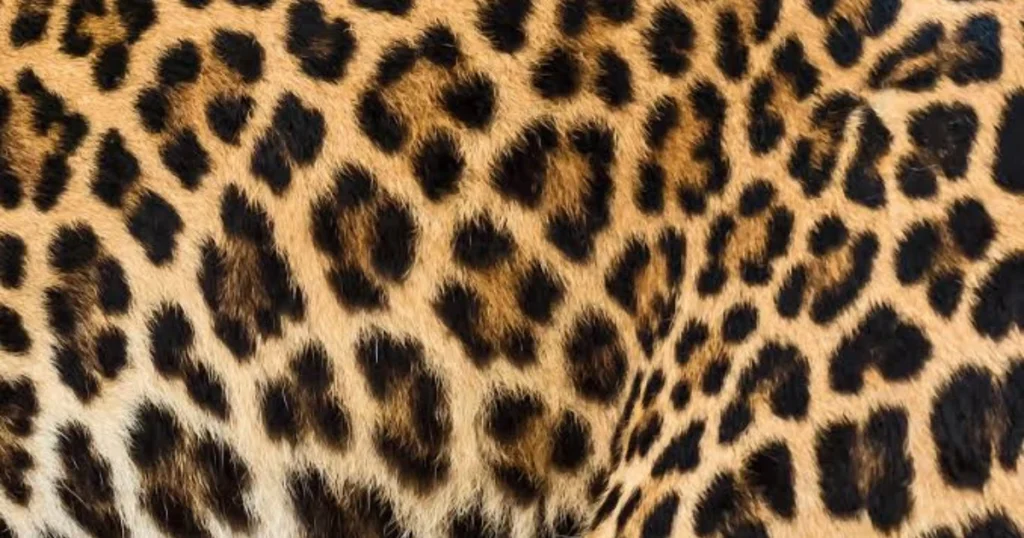
Spots are especially common in forest habitats where sunlight filters through leaves.
Leopards and Jaguars
Rosettes help these cats blend into patches of light and shadow beneath the forest canopy.
This camouflage allows them to approach prey undetected.
Fawns
Young deer are born with white spots that mimic sunlight filtering through vegetation.
As they mature and become more mobile, the spots gradually disappear.
Countershading: Dark Above, Light Below
Many mammals are darker along the back and lighter underneath.
This pattern, called countershading, reduces the appearance of shadows created by sunlight.
Examples include:
- Deer.
- Rabbits.
- Squirrels.
- Many marine mammals.
Countershading makes animals appear flatter and less noticeable.
Seasonal Color Changes
Some mammals change color with the seasons.
Arctic Fox
During winter, the Arctic fox develops white fur that blends with snow.
In summer, its coat becomes brown or gray, matching tundra vegetation and rocky ground.
Snowshoe Hare
Snowshoe hares undergo a similar transformation, improving camouflage throughout the year.
These seasonal molts are triggered largely by changes in day length, although climate can influence how well coat color matches snow cover.
Warning Coloration
Not all fur patterns are intended to hide.
Some advertise danger.
Skunks
The bold black-and-white stripes of skunks are classic examples of warning coloration.
Predators quickly learn to associate these patterns with the animal’s powerful defensive spray.
Bright, contrasting markings reduce the likelihood of attacks before they occur.
Recognition Within a Species
Fur patterns also help animals recognize one another.
Species-specific markings can:
- Identify mates.
- Recognize offspring.
- Maintain social groups.
- Distinguish individuals.
Zebras
Each zebra has a unique stripe pattern, much like a human fingerprint.
Researchers use these patterns to identify individual animals in the wild.
Confusing Predators
Some patterns work by creating visual confusion.
When many similarly patterned animals move together, predators may struggle to focus on a single target.
This effect has been proposed for species such as zebras, although scientists continue to study the relative importance of different explanations for their stripes.
The Genetics Behind Fur Patterns
Animal coat patterns develop before birth through complex interactions between genes and chemical signals during embryonic development.
One influential scientific explanation is the reaction-diffusion model, first proposed by mathematician Alan Turing.
This model describes how interacting chemical signals can naturally produce:
- Stripes.
- Spots.
- Bands.
- Complex repeating patterns.
Modern genetics continues to build upon these ideas, revealing how multiple genes influence pigmentation and pattern formation.
Melanin: The Pigment Behind Most Fur Colors
Most mammal fur coloration comes from two forms of melanin:
- Eumelanin produces black and brown shades.
- Pheomelanin produces red, orange, and yellow tones.
Different combinations and distributions of these pigments create the remarkable diversity seen across mammals.
Why No Two Patterns Are Exactly Alike
Even within a species, coat patterns vary slightly.
These differences result from:
- Genetics.
- Developmental processes before birth.
- Random variation.
This individuality often helps researchers identify animals without tagging them.
Fur Patterns and Habitat
Habitats strongly influence which patterns provide survival advantages.
Examples include:
Dense Forest
- Spots.
- Rosettes.
- Dark coloration.
Grasslands
- Stripes.
- Sandy colors.
- Countershading.
Snowy Regions
- White winter coats.
- Seasonal camouflage.
Rocky Landscapes
- Gray.
- Brown.
- Speckled coloration.
Natural selection favors patterns that reduce detection within each environment.
Do Domestic Animals Follow the Same Rules?
Many coat patterns seen in domestic cats, dogs, horses, and cattle originate from the same biological processes found in wild mammals.
However, artificial selection by humans has greatly expanded the range of colors and patterns beyond what natural selection would typically produce.
Conservation and Camouflage
Camouflage evolved to match natural environments.
Rapid habitat alteration can reduce its effectiveness.
Examples include:
- Snow-dependent animals facing shorter winters.
- Forest clearing changing background vegetation.
- Urban expansion creating unfamiliar environments.
These changes may affect survival rates in some species.
Practical Tips
If observing wildlife:
- Move slowly.
- Scan for outlines rather than color.
- Look for movement within vegetation.
- Use binoculars.
- Visit habitats during early morning or late afternoon when animals are most active.
Many well-camouflaged mammals become visible only after they move.
Common Misconceptions
Bright Colors Always Make Animals Easy to See
Color perception varies among species. What stands out to humans may blend well from the perspective of another animal.
Every Pattern Serves Only One Purpose
Many fur patterns perform multiple functions simultaneously, including camouflage, communication, and recognition.
All Stripes Provide the Same Benefit
Different species evolved stripes under different ecological pressures.
Camouflage Makes Animals Invisible
Camouflage reduces the chance of detection—it does not make animals impossible to see.
Frequently Asked Questions
Why do some animals have stripes while others have spots?
The most effective pattern depends largely on habitat, behavior, and evolutionary history. Forest species often benefit from spots, while stripes can be advantageous in grasses or wooded environments.
Why are baby deer spotted?
The spots mimic patches of sunlight filtering through vegetation, helping young fawns remain concealed while lying still.
Can animals change their fur color?
Some species, including Arctic foxes and snowshoe hares, change coat color seasonally as they molt.
Are zebra stripes unique?
Yes. Every zebra has an individual stripe pattern, allowing researchers to identify specific animals.
What creates animal fur patterns?
Complex genetic interactions during embryonic development determine where pigments are produced, creating stripes, spots, bands, and other markings.
Conclusion
The remarkable diversity of mammal fur patterns is far more than an artistic display of nature. Every stripe, spot, patch, and band reflects countless generations of adaptation to predators, prey, climate, and habitat. Whether helping a tiger disappear into tall grass, allowing a fawn to remain hidden on the forest floor, or warning predators to keep their distance from a skunk, these patterns serve practical purposes that directly influence survival.
As scientists continue uncovering the genetic mechanisms behind coat pattern formation, they reveal an even deeper appreciation for the complexity of evolution. Looking closely at an animal’s fur is, in many ways, reading the history of the environment that shaped it—a living record of adaptation written across every hair.
Internal Linking
Explore the incredible diversity of wild cats across the Americas:
https://secretsofthegreengarden.com/wild-cats-of-the-americas/
Discover how different ears help animals survive in challenging environments:
https://secretsofthegreengarden.com/ears-built-for-survival/
Learn about the remarkable mammals of North America’s Great Plains:
https://secretsofthegreengarden.com/mammals-of-the-great-plains/
See how predators influence ecosystems through natural balance:
https://secretsofthegreengarden.com/yellowstone-wolves-river-ecosystem/
Recommended External Sources
- Smithsonian’s National Zoo & Conservation Biology Institute: https://nationalzoo.si.edu
- Animal Diversity Web (University of Michigan): https://animaldiversity.org
- National Geographic: https://www.nationalgeographic.com/animals