
Table of Contents
- Introduction
- Why Hummingbirds Need Torpor to Survive
- What Is Hummingbird Torpor?
- How Hummingbirds Wake Up After Torpor
- The Amazing Wing Mechanics Behind Hovering and Backward Flight
- Why Hummingbirds Have Such Extreme Metabolisms
- How to Create a Hummingbird-Friendly Garden
- Common Myths About Hummingbirds
- Frequently Asked Questions
- Conclusion
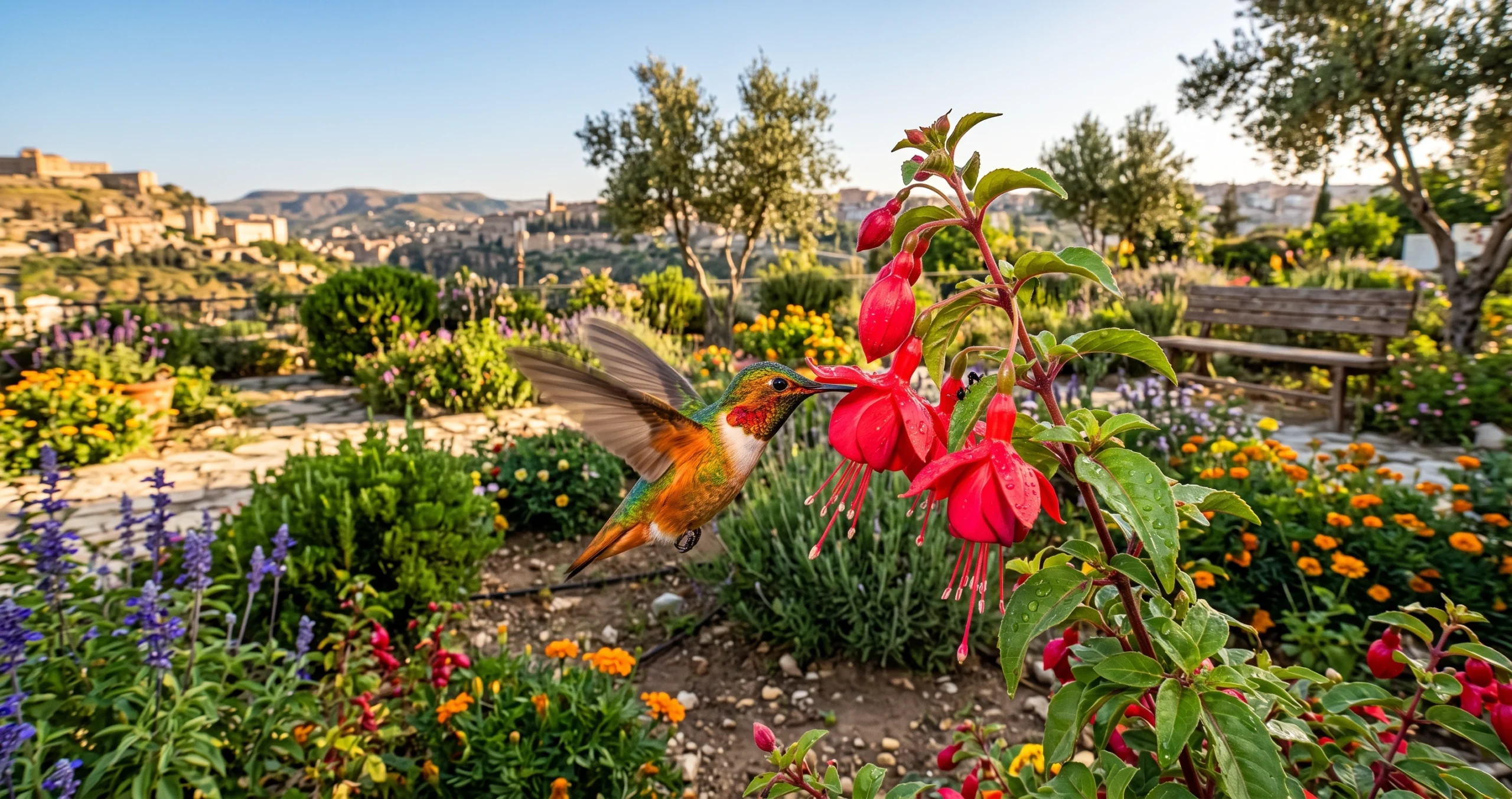
At first glance, hummingbirds seem almost too energetic to stop moving. They hover effortlessly, dart between flowers in a blur of shimmering feathers, and can beat their wings more than 50 times every second. Yet one of the most fascinating facts about hummingbird torpor is that these tiny birds survive each night by doing almost the exact opposite. Instead of remaining constantly active, they enter a remarkable energy-saving state that slows nearly every function in their body.
This nightly survival strategy allows hummingbirds to conserve precious energy after spending the day fueling one of the fastest metabolisms in the animal kingdom. Combined with their unique wing mechanics—which make them the only birds capable of sustained backward flight—torpor highlights just how specialized hummingbirds truly are.
Understanding these adaptations not only reveals incredible evolutionary biology but also helps gardeners create habitats that support hummingbirds throughout the year.
If you enjoy learning about extraordinary animal adaptations, you may also like our article explaining why peregrine falcons are the fastest animals on Earth here on secretsofthegreengarden.com.
Why Hummingbirds Need Torpor to Survive
Hummingbirds live on the edge of an energy crisis every single day.
Because they are so small, they lose body heat rapidly. At the same time, hovering flight demands enormous amounts of energy.
A hummingbird’s heart can exceed 1,200 beats per minute during intense activity, while its breathing rate rises dramatically to deliver enough oxygen to its flight muscles.
To keep this incredible engine running, hummingbirds consume nectar throughout the day, often visiting hundreds or even thousands of flowers.
They also eat tiny insects and spiders to obtain protein and essential nutrients.
Despite these constant meals, they store very little energy.
When darkness falls and flowers stop producing nectar, hummingbirds face a serious challenge.
Without an effective way to conserve energy overnight, many simply would not survive until morning.
What Is Hummingbird Torpor?
Hummingbird Torpor: Nature’s Energy-Saving Mode
Torpor is a temporary state of greatly reduced metabolism.
It resembles deep sleep but is physiologically very different.
During hummingbird torpor, nearly every major body function slows dramatically.
Body temperature may fall from approximately 104°F (40°C) to as low as 50°F (10°C), depending on the species and surrounding conditions.
Heart rate can decrease from over 1,000 beats per minute while active to fewer than 60 beats per minute.
Breathing slows significantly, and energy consumption may decline by as much as 95%.
Rather than burning precious calories throughout the night, hummingbirds essentially place themselves into an energy-saving mode until sunrise.
Researchers estimate this adaptation allows some hummingbirds to survive nights using only a fraction of the energy they would otherwise require.
According to the Cornell Lab of Ornithology, torpor is a normal and healthy part of life for many hummingbird species rather than a sign of illness.
Torpor Is Not Hibernation
Although the two terms are often confused, torpor differs from hibernation.
Hibernation typically lasts weeks or even months.
Hummingbird torpor usually lasts only one night.
As daylight returns and temperatures begin to rise, the bird gradually restores normal body temperature and metabolism before beginning another day of feeding.
Some hummingbirds may also enter torpor during unusually cold weather or periods when nectar becomes temporarily scarce.
How Hummingbirds Wake Up After Torpor
Returning to full activity requires considerable energy.
Before leaving their perch, hummingbirds begin generating heat through rapid muscle contractions.
Their heart rate steadily increases.
Body temperature climbs.
Eventually, metabolism reaches normal daytime levels, allowing the bird to resume feeding.
This warming process can take anywhere from about 20 minutes to over an hour, depending on temperature and species.
Once fully awake, the hummingbird immediately begins searching for nectar to replenish energy reserves consumed during the night.
The Amazing Wing Mechanics Behind Hovering and Backward Flight
Most birds generate lift primarily during the downward wing stroke.
Hummingbirds are completely different.
Their wings rotate at the shoulder through an extraordinary range of motion, tracing a figure-eight pattern.
Instead of creating lift only while pushing downward, hummingbirds generate lift on both the forward and backward portions of every wingbeat.
This continuous lift is what allows them to hover with remarkable stability.
It also enables something almost no other bird can do: sustained backward flight.
Rather than turning around, hummingbirds simply reverse the angle of their wing motion and fly backward with surprising precision.
This ability proves invaluable when maneuvering around flowers, avoiding obstacles, and defending feeding territories.
Scientists studying hummingbird flight continue to inspire engineers designing miniature drones capable of hovering with similar agility.
Figure-Eight Flight Is an Engineering Masterpiece
A hummingbird’s shoulder joint functions almost like a ball-and-socket joint.
This allows the wing to rotate nearly 180 degrees.
Combined with lightweight bones, exceptionally strong flight muscles, and highly flexible feathers, the bird achieves precise control unmatched by nearly any other flying vertebrate.
Depending on the species, wingbeats may range from roughly 15 beats per second in larger hummingbirds to over 80 beats per second in some of the smallest species.
The familiar humming sound comes directly from these incredibly rapid wingbeats.
Why Hummingbirds Have Such Extreme Metabolisms
Few animals process energy as rapidly as hummingbirds.
Hovering requires constant muscle activity.
Unlike gliding birds that can periodically rest their wings, hummingbirds must keep beating theirs continuously while suspended in the air.
This creates extraordinary metabolic demands.
Their digestive system has evolved to process nectar with remarkable speed.
Sugars absorbed from flowers can begin fueling flight muscles within minutes after feeding.
This rapid energy delivery helps explain why hummingbirds spend much of the day moving continuously from flower to flower.
However, such dependence on constant feeding also explains why torpor is so important.
Without nighttime energy conservation, the bird’s limited fat reserves would quickly disappear.
How to Create a Hummingbird-Friendly Garden
Gardeners can play an important role in supporting hummingbird populations.
By providing reliable food sources throughout the growing season, gardens become valuable feeding stations during migration and breeding.
Plant Native Nectar Flowers
Native flowering plants generally produce the nectar hummingbirds evolved to use.
Species with long, tubular flowers are especially attractive.
Bee balm, cardinal flower, trumpet vine, coral honeysuckle, salvia, penstemon, and native columbine all provide excellent nectar resources.
Planting several species with staggered bloom times ensures flowers remain available across the season.
Include Red and Orange Flowers
Although hummingbirds visit flowers of many colors, they show strong attraction to bright reds, oranges, and pinks.
Color helps them locate nectar quickly while flying.
Avoid relying on artificial flower colors alone.
Natural nectar-rich blooms provide far greater ecological value.
Skip Pesticides
Tiny insects supply important protein, particularly during nesting season.
Broad-spectrum pesticides reduce these valuable food sources and may expose hummingbirds to harmful chemicals indirectly.
Healthy gardens support both nectar plants and beneficial insects.
Keep Feeders Clean
Supplemental feeders can help during migration or periods of low bloom.
Use a simple solution consisting of one part white sugar to four parts water.
Never add red dye, honey, or artificial sweeteners.
Clean feeders every two to three days in warm weather to prevent harmful mold growth.
Provide Water
Hummingbirds rarely use birdbaths designed for larger birds.
Instead, they enjoy shallow moving water, gentle misters, and fine sprays where they can bathe safely.
Preserve Perches
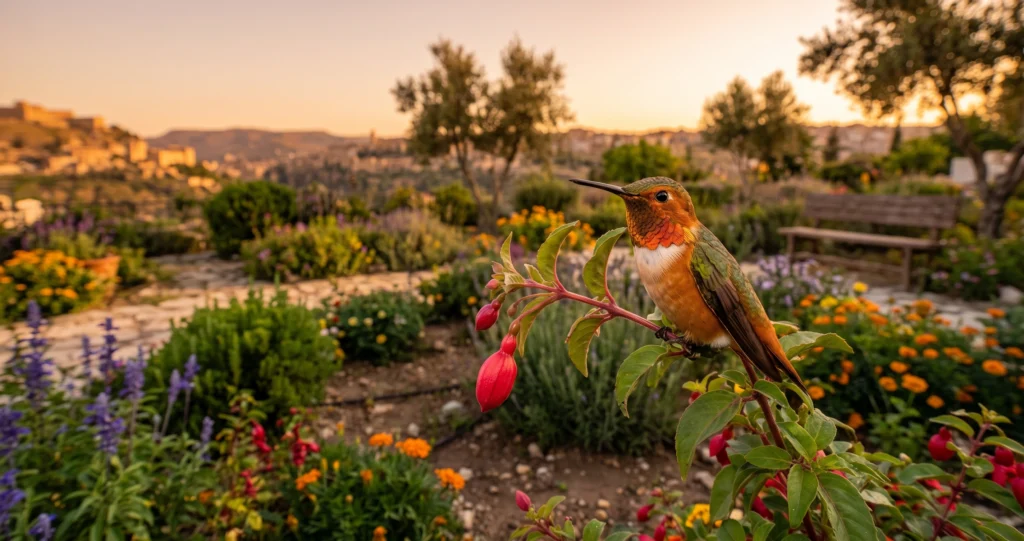
Although hummingbirds appear constantly active, they spend considerable time resting.
Small branches, shrubs, and sheltered trees provide essential perching locations where they can observe feeding territories and prepare for nighttime torpor.
Common Myths About Hummingbirds
Myth 1: Hummingbirds never stop flying.
Reality:
They perch frequently and spend every night resting, often in torpor.
Myth 2: Torpor means the bird is sick.
Reality:
Torpor is a normal survival strategy used by healthy hummingbirds.
Myth 3: Hummingbirds survive only on nectar.
Reality:
They also consume insects and spiders for protein, fats, vitamins, and minerals.
Myth 4: Sugar water is better than flowers.
Reality:
Natural flowers provide nectar while supporting insects and broader ecosystem health.
Feeders should supplement—not replace—native plants.
Myth 5: All hummingbirds migrate.
Reality:
Migration varies by species.
Some migrate thousands of miles, while others remain in suitable habitats year-round.
Why Hummingbirds Matter to Gardens
Beyond their beauty, hummingbirds are valuable pollinators.
As they feed, pollen adheres to their heads and bills before being transferred to the next flower.
Many tubular flowers have evolved alongside hummingbird pollination.
Gardens that support hummingbirds often benefit butterflies, bees, moths, and countless other pollinating species as well.
Creating diverse landscapes with native flowering plants contributes to healthier local ecosystems while providing reliable food sources for wildlife.
Frequently Asked Questions
What is hummingbird torpor?
Hummingbird torpor is a temporary state of greatly reduced metabolism that conserves energy overnight by lowering body temperature, heart rate, and breathing.
Why do hummingbirds enter torpor every night?
Because their extremely high metabolism rapidly consumes stored energy, torpor helps them survive hours when they cannot feed.
Are hummingbirds the only birds that can fly backward?
Yes. They are the only birds capable of sustained backward flight thanks to their unique figure-eight wing motion.
Can gardeners help hummingbirds?
Absolutely. Planting native nectar-rich flowers, avoiding pesticides, maintaining clean feeders, and providing safe perches all benefit hummingbirds.
Should you wake a hummingbird in torpor?
No. Disturbing a hummingbird during torpor forces it to expend valuable energy warming back up, which can reduce its chances of survival.
Conclusion
The remarkable phenomenon of hummingbird torpor demonstrates how even the smallest birds have evolved sophisticated solutions to extraordinary challenges. By dramatically slowing their metabolism each night, hummingbirds conserve enough energy to survive until flowers once again provide the nectar they need.
Their incredible figure-eight wing mechanics, unmatched hovering ability, and unique backward flight further illustrate why hummingbirds remain among nature’s most specialized aviators. Whether observed darting through wildflower meadows or visiting backyard gardens, these tiny birds remind us that remarkable engineering often comes in the smallest packages. By planting nectar-rich native flowers and maintaining wildlife-friendly gardens, we can help ensure hummingbirds continue to thrive for generations to come.
2 Internal Link Suggestions:
- https://secretsofthegreengarden.com/why-peregrine-falcons-are-the-fastest-animal-on-earth/
- https://secretsofthegreengarden.com/how-a-cheetahs-spine-works-like-a-spring-to-enable-its-top-speed/
3 External Dofollow Authoritative Sources:
- Cornell Lab of Ornithology – All About Birds: https://www.allaboutbirds.org/
- Smithsonian’s National Zoo: https://nationalzoo.si.edu/
- National Audubon Society: https://www.audubon.org/