
Introduction
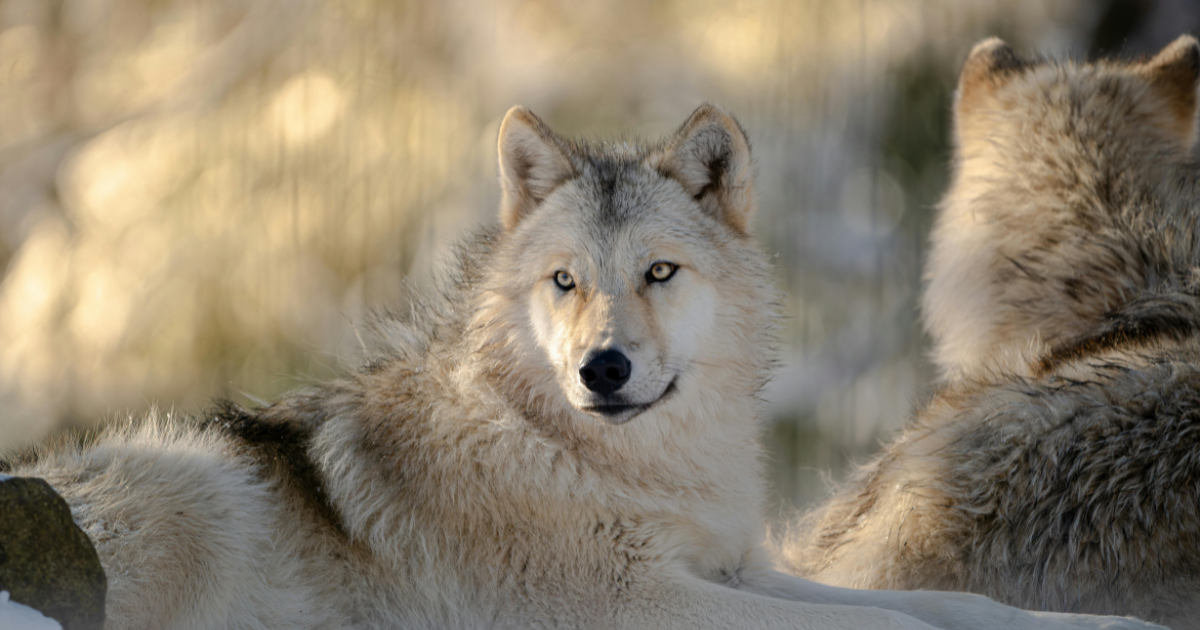
In 1995, gray wolves returned to Yellowstone National Park after an absence of nearly 70 years. Their reintroduction marked one of the most closely watched wildlife restoration projects in modern conservation.
Over the following decades, scientists observed significant ecological changes throughout the park. Elk behavior shifted, young trees began recovering in some areas, beavers expanded into habitats where they had long been scarce, and sections of riverbanks became more stable.
These observations gave rise to one of the most famous ecological stories in the world—the idea that “wolves changed the rivers.” While that phrase captures the imagination, the real story is more complex and even more fascinating. Wolves did not directly alter rivers. Instead, they influenced a chain of ecological interactions that, together with climate, vegetation, hydrology, and other wildlife, contributed to measurable changes across parts of Yellowstone’s landscape.
Why Wolves Disappeared from Yellowstone
Gray wolves (Canis lupus) once roamed throughout Yellowstone and much of North America.
During the late 1800s and early 1900s, widespread predator-control programs led to intensive hunting, trapping, and poisoning. By 1926, wolves had been eliminated from Yellowstone National Park.
Without their primary predator, elk populations increased substantially over the following decades. Large herds browsed heavily on young willow, aspen, and cottonwood trees, especially along rivers and streams.
Although many other environmental factors influenced these ecosystems, heavy browsing made it difficult for young trees to regenerate in numerous areas.
The Return of Wolves
In January 1995, wildlife managers released 14 gray wolves from Canada into Yellowstone National Park.
Additional wolves were introduced the following year, allowing several packs to establish territories.
The goal was not simply to restore a missing predator but to rebuild a more complete and balanced ecosystem.
The wolves adapted quickly, reproduced successfully, and gradually expanded throughout the park.
What Is a Trophic Cascade?
One of the most important ecological concepts illustrated by Yellowstone is the trophic cascade.
A trophic cascade occurs when changes at the top of the food chain indirectly influence many other organisms lower in the ecosystem.
In Yellowstone, wolves affected elk populations not only by hunting them but also by changing how elk used the landscape.
This combination of predation and altered behavior helped shape vegetation recovery in certain locations.
How Elk Behavior Changed
Before wolves returned, elk often spent long periods feeding in open river valleys and streamside areas.
After wolves became established, elk generally became more cautious in places where they were more vulnerable to predation.
Scientists observed that elk spent less time browsing continuously in some riparian habitats, allowing young shrubs and trees a better chance to survive.
The effect varied across the park and depended on factors such as local wolf activity, habitat structure, winter severity, and elk density.
The Recovery of Willows and Aspen
As browsing pressure decreased in some areas, certain woody plants began recovering.
These included:
- Willows
- Aspen
- Cottonwoods
The degree of recovery differed across Yellowstone.
Some valleys experienced strong regeneration, while others showed much smaller changes because additional factors—including climate, groundwater availability, and herbivores such as bison—also influenced plant growth.
Rather than a simple before-and-after transformation, vegetation recovery occurred unevenly across the landscape.
The Return of Beavers
Willows are an essential food source and building material for beavers.
As willow stands recovered in suitable locations, beaver populations also increased in parts of Yellowstone.
Beavers are considered ecosystem engineers because their dams create ponds that:
- Slow water flow.
- Store groundwater.
- Reduce erosion.
- Create wetlands.
- Provide habitat for fish, amphibians, birds, and aquatic insects.
Their return added another layer of ecological change initiated by the restoration of healthier riparian vegetation.
Did Wolves Really Change the Rivers?
This is where the popular story often becomes oversimplified.
Wolves did not directly change Yellowstone’s rivers.
Instead, several interacting processes contributed to changes observed in some waterways.
Vegetation recovering along riverbanks helped:
- Stabilize soil.
- Reduce erosion in certain locations.
- Trap sediments.
- Shade streams.
- Improve habitat quality.
Meanwhile, beaver dams altered local water movement by slowing streams and creating wetlands.
Researchers have documented channel changes in parts of Yellowstone, but they emphasize that river dynamics also depend on:
- Floods
- Snowpack
- Climate
- Geology
- Groundwater
- Beaver activity
- Vegetation recovery
The rivers changed because many ecological processes worked together—not because wolves alone reshaped them.
Benefits for Other Wildlife
The return of wolves created opportunities for many other species.
Scavengers
Wolf kills provide food for animals including:
- Ravens
- Eagles
- Magpies
- Coyotes
- Bears
These scavengers benefit from carcasses throughout the winter.
Birds
Recovering shrubs and trees provide nesting habitat for numerous songbird species.
Denser vegetation supports greater insect diversity, creating additional food resources.
Amphibians
Beaver ponds create calm, shallow wetlands that benefit frogs, salamanders, and aquatic insects.
Fish
Healthier riparian habitats improve water quality by stabilizing stream banks and increasing shade, which can help maintain cooler water temperatures.
What Scientists Still Debate
Yellowstone remains one of the world’s most studied ecosystems.
Although the importance of wolves is well established, scientists continue discussing the relative contribution of different factors.
Current research suggests that ecological recovery reflects the combined influence of:
- Wolves
- Bears
- Cougars
- Elk populations
- Bison
- Beaver activity
- Climate variability
- Snowfall
- Hydrology
- Human management
Modern ecology increasingly recognizes that ecosystems are shaped by many interacting forces rather than a single cause.
Lessons for Conservation
Yellowstone demonstrates the importance of protecting complete ecosystems rather than focusing on individual species alone.
Top predators help regulate food webs, but successful conservation also depends on:
- Healthy habitats.
- Biodiversity.
- Water availability.
- Native vegetation.
- Natural ecological processes.
Restoring one missing species can produce surprising ripple effects, but long-term ecosystem health requires many pieces working together.
Practical Tips
- Support habitat conservation for both predators and prey.
- Learn about local food webs in your region.
- Respect wildlife viewing distances in national parks.
- Plant native vegetation that supports biodiversity.
- Appreciate that healthy ecosystems depend on many interconnected species.
Common Mistakes
Believing Wolves Alone Changed Yellowstone
The ecological changes resulted from interactions among predators, prey, plants, climate, hydrology, and other wildlife.
Assuming Every Area Recovered Equally
Vegetation recovery varied widely depending on local environmental conditions.
Thinking Predators Only Reduce Prey Numbers
Predators also influence prey behavior, movement, and habitat use, creating broader ecological effects.
Ignoring the Role of Beavers
Beavers contributed significantly to changes in wetlands and stream dynamics after suitable habitat improved.
Frequently Asked Questions
Did wolves really change Yellowstone’s rivers?
Indirectly, they contributed to ecological changes that helped influence river systems in some areas, but rivers were also shaped by vegetation recovery, beavers, climate, floods, and other natural processes.
Why were wolves reintroduced?
To restore a native predator that had been eliminated from the park and help rebuild a more complete ecosystem.
What is a trophic cascade?
It is a chain of ecological effects that occurs when changes at one level of the food web influence organisms at multiple other levels.
Did elk populations disappear after wolves returned?
No. Elk remain abundant in Yellowstone, although their numbers and distribution have changed over time due to several interacting factors.
Why are beavers important?
Beavers create wetlands, improve water storage, reduce erosion, and provide habitat for many other species, making them one of nature’s most influential ecosystem engineers.
Conclusion
The return of wolves to Yellowstone represents one of the world’s most remarkable conservation success stories—not because a single predator magically transformed an entire landscape, but because it revealed how deeply connected natural ecosystems truly are.
By influencing elk behavior and populations, wolves helped create conditions that allowed vegetation to recover in many areas. That recovery supported beavers, stabilized portions of riverbanks, improved habitat for birds and aquatic life, and contributed to healthier ecosystems throughout parts of the park.
Rather than proving that one species controls everything, Yellowstone reminds us that nature functions as a network of countless interactions. Every predator, herbivore, plant, fungus, and stream plays a role, and understanding those connections is one of ecology’s greatest achievements.
Internal Linking
Learn how underground fungal networks connect forest ecosystems:
https://secretsofthegreengarden.com/wood-wide-web-mycorrhizal-networks/
Discover one of Earth’s oldest living organisms:
https://secretsofthegreengarden.com/the-oldest-living-tree-on-earth/
Explore another fascinating example of nature’s remarkable adaptations:
https://secretsofthegreengarden.com/sundew-plant-carnivorous-insect-trap/
Recommended External Sources
- National Park Service (Yellowstone): https://www.nps.gov/yell
- U.S. Geological Survey (USGS): https://www.usgs.gov
- Yellowstone Wolf Project: https://www.nps.gov/yell/learn/nature/wolf-restoration.htm