
Introduction
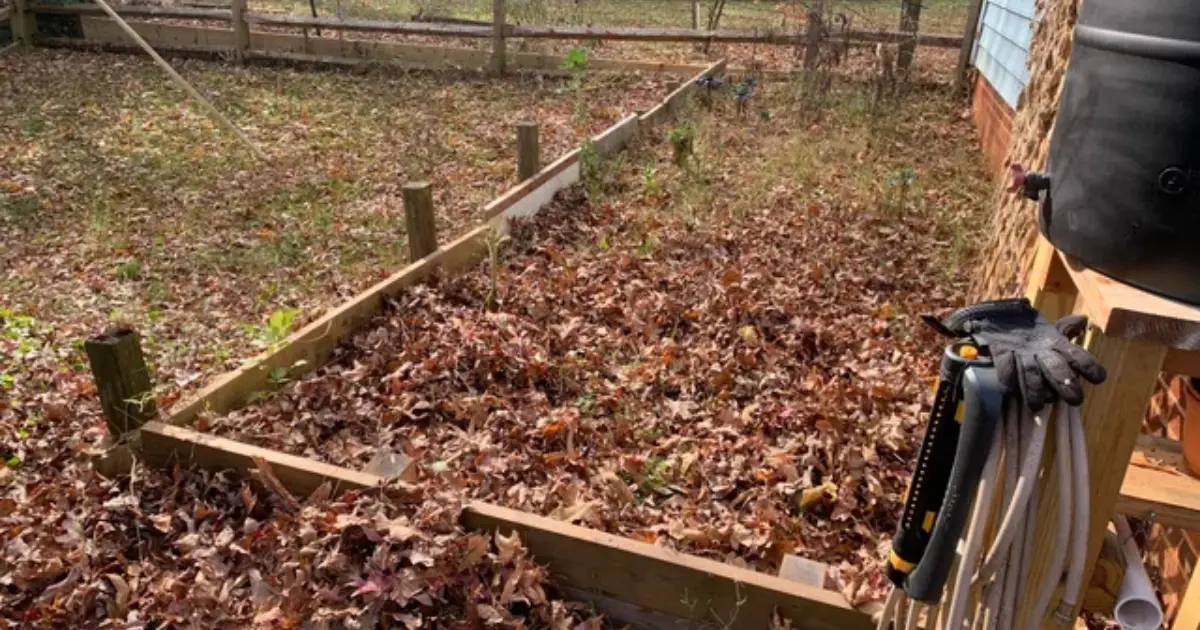
When the growing season ends, it’s tempting to think the garden has earned a well-deserved rest. Harvests are complete, beds are cleared, and bare soil often seems neat and ready for spring.
In reality, bare winter soil is anything but inactive. Throughout the colder months, rain, wind, frost, and natural biological processes continue to shape the soil beneath the surface. Without living plants or protective mulch, valuable nutrients can wash away, erosion can remove fertile topsoil, weeds can establish themselves, and beneficial soil organisms may lose the conditions they need to thrive.
Rather than allowing soil to sit exposed, experienced gardeners increasingly view winter as an opportunity to protect and improve their growing spaces. Cover crops, mulches, and other simple practices can help preserve soil structure, reduce nutrient loss, and leave garden beds healthier and easier to manage when spring arrives.
Why Soil Never Truly Rests
Even during winter, soil remains biologically active.
Beneath the surface, countless living organisms continue working, including:
- Earthworms.
- Bacteria.
- Fungi.
- Nematodes.
- Springtails.
- Other microscopic organisms.
Although colder temperatures slow biological activity, decomposition, nutrient cycling, and microbial processes continue whenever conditions allow.
Healthy soil is a living ecosystem, not simply a place where plants grow.
What Happens to Bare Soil During Winter?
Without protective vegetation or mulch, winter weather exposes soil to several challenges.
Erosion
Rain, melting snow, and strong winds gradually remove fine soil particles from exposed surfaces.
Topsoil is especially vulnerable because it contains much of the soil’s:
- Organic matter.
- Nutrients.
- Beneficial microorganisms.
- Seeds.
Even small amounts of erosion repeated over several seasons can reduce long-term soil quality.
Nutrient Leaching
Winter rainfall can carry soluble nutrients deeper into the soil or beyond the reach of plant roots.
Nitrogen is particularly vulnerable to leaching in many soils.
Without actively growing plants to absorb these nutrients, some fertility may be lost before spring planting begins.
Soil Compaction
Heavy winter rains striking bare soil can break apart soil aggregates and create surface crusts.
Repeated wetting and drying may reduce soil structure, making spring cultivation more difficult.
Compacted soils often drain poorly and restrict healthy root growth.
Weed Establishment
Bare soil provides ideal conditions for many winter annual weeds.
Species that germinate during autumn or winter often establish strong root systems before spring crops are planted.
As temperatures rise, these weeds may already have a significant advantage.
Why Living Roots Matter
One of the most important discoveries in modern soil science is the value of keeping living roots in the soil whenever possible.
Growing plants continuously release organic compounds called root exudates.
These compounds:
- Feed beneficial soil microbes.
- Support mycorrhizal fungi.
- Improve soil aggregation.
- Encourage biological diversity.
Without living roots, many beneficial soil organisms become less active or decline in abundance.
Cover Crops: Nature’s Winter Blanket
One of the best ways to protect winter soil is by planting cover crops.
Unlike crops grown for harvest, cover crops are planted primarily to improve soil health.
Common winter cover crops include:
- Winter rye.
- Crimson clover.
- Hairy vetch.
- Austrian winter peas.
- Field beans.
- Oats (in suitable climates).
Each species offers different benefits depending on climate and gardening goals.
Benefits of Cover Crops
Properly managed cover crops provide numerous advantages.
Reduce Erosion
Leaves and stems shield the soil from direct rainfall while roots anchor the soil in place.
Capture Nutrients
Growing roots absorb nutrients that might otherwise leach away during winter.
When the cover crop decomposes, many of these nutrients return to the soil for future crops.
Improve Soil Structure
Root systems create channels that improve:
- Water infiltration.
- Air movement.
- Root penetration.
Some deep-rooted species also help loosen compacted layers.
Suppress Weeds
A dense cover crop shades the soil and reduces opportunities for weed seeds to germinate.
Increase Organic Matter
When cover crops decompose, they contribute valuable organic matter that improves long-term soil fertility.
Mulch: An Alternative to Bare Soil
Not every gardener wants to plant winter cover crops.
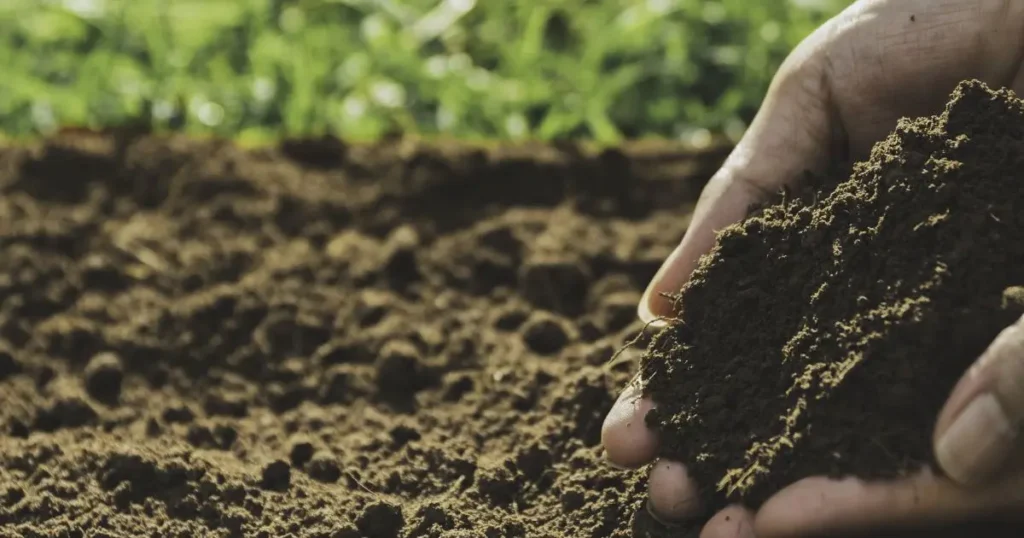
Organic mulch provides another effective way to protect exposed beds.
Suitable materials include:
- Shredded leaves.
- Straw.
- Pine needles.
- Wood chips (around perennial plants).
- Compost.
Mulch helps:
- Reduce erosion.
- Moderate soil temperature.
- Retain moisture.
- Limit weed growth.
- Feed soil organisms as it breaks down.
Should Every Garden Bed Be Covered?
In most climates, covering unused garden beds during winter provides significant benefits.
However, local conditions matter.
Some gardeners intentionally leave small areas uncovered for:
- Early spring warming.
- Specific crop rotations.
- Heavy clay soils requiring careful moisture management.
The best approach depends on climate, soil type, and planned spring planting dates.
What Happens in Spring?
Garden beds protected throughout winter often require less preparation.
Compared with bare soil, they may have:
- Fewer weeds.
- Better soil structure.
- Higher biological activity.
- Improved moisture retention.
- Reduced erosion.
- Greater organic matter.
These benefits can make spring planting easier and reduce the need for additional fertilizers or soil amendments.
Cover Crops vs. Bare Soil
The difference becomes noticeable over time.
A bare bed may experience:
- Nutrient loss.
- Increased weed pressure.
- Soil crusting.
- Greater erosion.
A covered bed is more likely to maintain:
- Stable soil structure.
- Active microbial communities.
- Better fertility.
- Improved water infiltration.
Although results vary with climate and management, protecting soil during winter generally supports healthier gardens over the long term.
Practical Tips
- Never leave empty beds exposed longer than necessary.
- Sow winter cover crops early enough for good establishment.
- Use shredded leaves as free organic mulch.
- Add compost before applying mulch if needed.
- Remove or terminate cover crops before spring planting according to the crop being grown.
- Observe how protected beds perform compared with uncovered ones.
Common Mistakes
Assuming Winter Soil Is Inactive
Biological processes continue throughout much of the winter, especially in milder climates.
Leaving Beds Bare After Harvest
Exposed soil is more vulnerable to erosion, nutrient loss, and weed invasion.
Waiting Too Long to Plant Cover Crops
Many species require enough autumn growth before winter temperatures arrive.
Using Fresh Wood Chips in Vegetable Beds
Fresh wood chips are generally better suited for paths or around perennial plants rather than being mixed into annual vegetable beds.
Frequently Asked Questions
Why shouldn’t garden soil be left bare during winter?
Bare soil is more susceptible to erosion, nutrient leaching, weed establishment, and degradation of soil structure.
What is the best winter cover crop?
The best choice depends on your climate and goals. Winter rye, crimson clover, hairy vetch, and oats are among the most commonly used options.
Is mulch as effective as a cover crop?
Mulch provides excellent protection against erosion and weeds, while cover crops offer the additional benefit of living roots that actively support soil biology.
Can I plant vegetables directly after a cover crop?
Yes. Most cover crops are cut, mowed, or incorporated before planting, though the timing depends on the species and gardening method.
Does covering soil improve harvests?
Healthy, protected soil often supports stronger plant growth over time by preserving fertility, improving structure, and reducing weed pressure.
Conclusion
Winter is not a dormant season for soil. While gardens may appear quiet above ground, important biological and physical processes continue beneath the surface. Leaving beds bare allows erosion, nutrient loss, and weeds to gain an advantage that often requires extra work to correct in spring.
By protecting soil with cover crops or organic mulch, gardeners preserve one of their most valuable resources. Healthier soil leads to healthier plants, fewer weeds, better moisture retention, and improved productivity year after year. Rather than viewing winter as the end of the gardening season, it can become one of the most important times to invest in next year’s success.
Internal Linking
Learn how underground fungal networks help keep soil healthy:
https://secretsofthegreengarden.com/wood-wide-web-mycorrhizal-networks/
Discover the companion planting method that naturally improves soil fertility:
https://secretsofthegreengarden.com/the-three-sisters-garden-method-why-corn-beans-and-squash-still-grow-better-together/
See which vegetables thrive even in gardens with limited sunlight:
https://secretsofthegreengarden.com/best-vegetables-herbs-for-shaded-gardens/
Recommended External Sources
- USDA Natural Resources Conservation Service: https://www.nrcs.usda.gov
- Royal Horticultural Society (RHS): https://www.rhs.org.uk
- Sustainable Agriculture Research and Education (SARE): https://www.sare.org