
Introduction
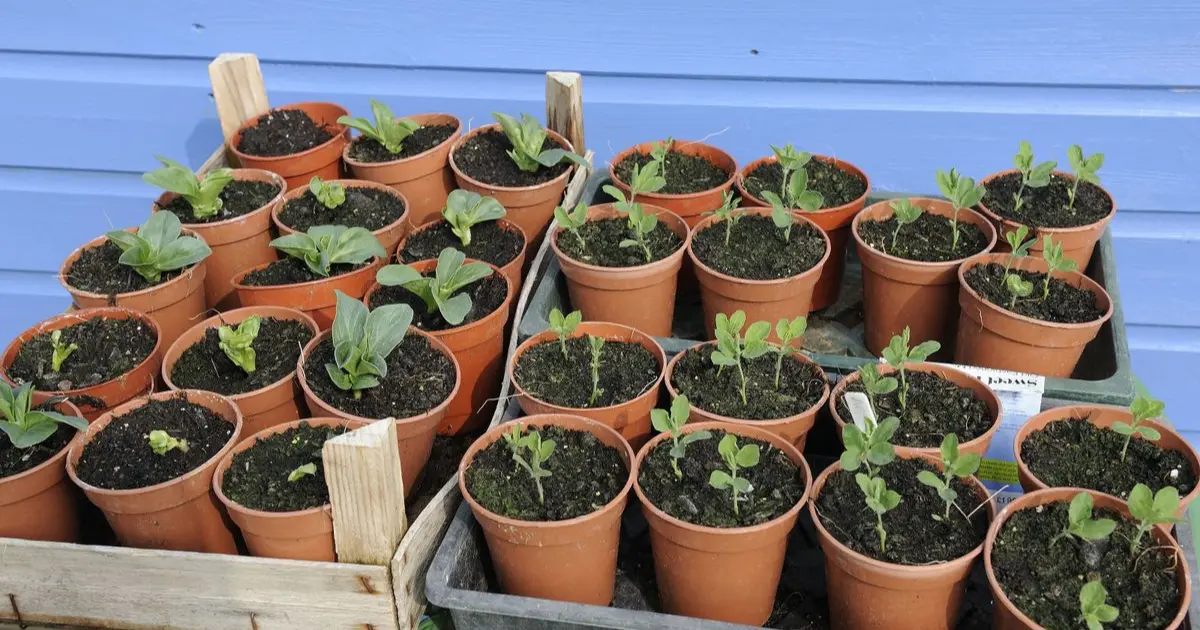
After weeks of careful watering, warmth, and attention indoors, healthy seedlings often look ready for life in the garden. Their leaves are green, their stems are growing steadily, and they appear strong enough to handle the outdoors.
However, a seedling raised on a sunny windowsill or in a heated propagator has developed under conditions that are dramatically different from those it will encounter outside. Indoors, temperatures remain relatively stable, winds are absent, sunlight is filtered through glass, and humidity is usually much higher than in the open air.
Moving these young plants directly into the garden without preparation can cause severe stress, often leading to wilting, leaf scorch, stunted growth, or even death. The gradual process of helping indoor-grown plants adapt to outdoor conditions is known as hardening off, and it is one of the most important—but often overlooked—steps in successful gardening.
What Is Hardening Off?
Hardening off is the gradual process of acclimating indoor-grown seedlings to outdoor conditions before transplanting them permanently into the garden.
Rather than exposing plants to full sun, wind, cool temperatures, and fluctuating weather all at once, gardeners slowly increase their exposure over a period of about one to two weeks.
This transition allows seedlings to strengthen their tissues and adjust their physiology without suffering severe stress.
Why Indoor and Outdoor Conditions Are So Different
Although a windowsill may appear bright, it provides a very different environment from the outdoors.
Indoor seedlings usually experience:
- Stable temperatures.
- Little or no wind.
- Filtered sunlight through glass.
- Higher humidity.
- Regular watering.
- Protection from rain.
Outdoor gardens expose plants to:
- Direct sunlight.
- Wind.
- Cooler nights.
- Temperature fluctuations.
- Rain.
- Lower humidity.
- Stronger ultraviolet (UV) radiation.
The difference can be dramatic, even on a mild spring day.
Why Sudden Transplanting Can Kill Seedlings
Young seedlings have not yet developed the protective features needed for outdoor survival.
A sudden move outside may result in:
Sun Scorch
Leaves grown indoors contain relatively little protection against intense ultraviolet radiation.
Direct sunlight can quickly bleach or burn tender foliage, leaving white, brown, or crispy patches.
Wind Stress
Even a light breeze places mechanical stress on young stems.
Without gradual exposure, seedlings may wilt or suffer broken stems.
Interestingly, gentle wind eventually helps plants become stronger by stimulating thicker stem development.
Water Loss
Outdoor air is often much drier than indoor environments.
Combined with wind and sunshine, this increases transpiration—the loss of water through leaves.
If roots cannot replace water quickly enough, seedlings wilt.
Temperature Shock
Indoor temperatures are generally stable.
Sudden exposure to cool nights or unexpected frosts can severely damage warm-season crops such as tomatoes, peppers, cucumbers, and basil.
What Happens During Hardening Off?
As seedlings gradually adjust to outdoor conditions, several beneficial changes occur.
Plants begin to:
- Produce thicker leaf cuticles that reduce water loss.
- Strengthen stems.
- Improve root function.
- Increase tolerance to sunlight.
- Adapt to changing temperatures.
- Develop greater resistance to wind.
These natural adjustments improve survival after transplanting.
Which Plants Need Hardening Off?
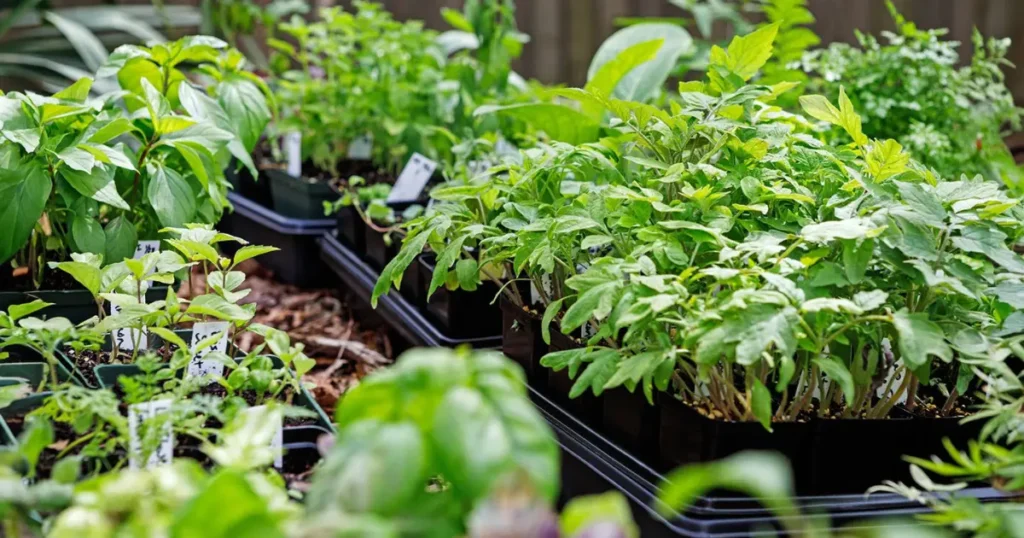
Nearly all seedlings started indoors benefit from hardening off.
This includes:
- Tomatoes.
- Peppers.
- Eggplants.
- Cucumbers.
- Squash.
- Pumpkins.
- Lettuce.
- Brassicas.
- Flowers grown from seed.
- Herbs.
Plants purchased from garden centers may also require hardening off if they have been grown inside greenhouses.
How to Harden Off Seedlings
The process usually takes 7 to 14 days.
Day 1–2
Place seedlings outdoors in a sheltered, shaded location for one or two hours.
Protect them from strong wind and direct afternoon sun.
Day 3–4
Increase outdoor time to several hours.
Allow brief periods of gentle morning sunlight.
Day 5–7
Gradually extend exposure to brighter sunlight and slightly windier conditions.
Continue bringing plants indoors or into a protected area overnight if temperatures become too low.
Day 8–14
Leave seedlings outdoors for most of the day.
If nighttime temperatures remain suitable for the crop, plants can eventually stay outside overnight before transplanting.
By the end of the process, seedlings should tolerate normal garden conditions without excessive stress.
Best Time of Day for Hardening Off
Morning is usually the safest time to begin.
Morning sunlight is gentler than the intense afternoon sun and allows seedlings to adapt gradually.
Avoid exposing newly hardened seedlings to:
- Midday summer sun.
- Strong winds.
- Heavy rain.
- Frost.
What If the Weather Changes?
Spring weather can be unpredictable.
If forecasts predict:
- Frost.
- Strong winds.
- Hail.
- Heavy rain.
- Extreme heat.
Move seedlings back to a protected location until conditions improve.
Temporary setbacks are preferable to losing weeks of careful growing.
Signs Hardening Off Is Working
Healthy seedlings gradually become:
- Darker green.
- More upright.
- Less prone to wilting.
- Better able to tolerate direct sunlight.
- Stronger in windy conditions.
Some temporary slowing of growth is normal as plants adjust.
Common Signs of Transplant Shock
Seedlings that are moved outdoors too quickly may show:
- Wilting.
- Sunburned leaves.
- Yellowing foliage.
- Drooping stems.
- Slow growth.
- Leaf drop.
Mild symptoms often improve after several days, but severe shock can permanently damage or kill young plants.
Does Every Crop Need the Same Hardening-Off Schedule?
No.
Cool-season crops such as lettuce, cabbage, kale, and broccoli generally tolerate cooler temperatures better than warm-season vegetables.
Warm-season crops—including tomatoes, peppers, eggplants, basil, cucumbers, and squash—usually require more careful protection from cold temperatures during the hardening-off process.
Adjust the schedule according to both the crop and local weather conditions.
Practical Tips
- Begin hardening off about one to two weeks before transplanting.
- Start in shade before introducing full sun.
- Increase outdoor exposure gradually each day.
- Protect seedlings from frost.
- Water plants before placing them outside.
- Watch weather forecasts throughout the hardening-off period.
Common Mistakes
Moving Seedlings Straight into Full Sun
Tender indoor-grown leaves can burn within hours.
Ignoring Night Temperatures
Warm-season crops may suffer damage even when daytime weather feels pleasant.
Skipping Wind Protection
Strong winds can rapidly dry or physically damage young plants.
Forgetting to Water
Outdoor conditions increase water loss, making regular monitoring essential.
Frequently Asked Questions
What is hardening off?
It is the gradual process of helping indoor-grown seedlings adjust to outdoor conditions before permanent transplanting.
How long does hardening off take?
Most seedlings benefit from 7 to 14 days of gradual outdoor exposure.
Can I skip hardening off?
Skipping this step increases the risk of transplant shock, sunburn, wilting, and poor establishment.
Which plants need hardening off?
Nearly all seedlings started indoors, including vegetables, herbs, and flowers, should be hardened off before planting outside.
What happens if seedlings get sunburned?
Mild damage may recover, but severely scorched leaves cannot heal. New growth usually replaces damaged foliage if the plant survives.
Conclusion
Growing healthy seedlings indoors is only the first stage of successful gardening. The transition from a protected indoor environment to the unpredictable conditions outdoors represents one of the greatest challenges young plants will face.
By hardening off seedlings gradually, gardeners allow plants to strengthen their leaves, stems, and root systems while adapting to sunlight, wind, and changing temperatures. The extra week or two invested before transplanting often makes the difference between seedlings that merely survive and those that establish quickly, grow vigorously, and produce abundant harvests throughout the growing season.
Internal Linking
Learn which vegetables grow best in gardens with limited sunlight:
https://secretsofthegreengarden.com/best-vegetables-herbs-for-shaded-gardens/
Discover why protecting soil through winter improves spring planting:
https://secretsofthegreengarden.com/why-not-leave-bare-soil-winter/
Learn how companion planting builds healthier vegetable gardens:
https://secretsofthegreengarden.com/the-three-sisters-garden-method-why-corn-beans-and-squash-still-grow-better-together/
Recommended External Sources
- Royal Horticultural Society (RHS): https://www.rhs.org.uk
- University of Minnesota Extension: https://extension.umn.edu
- Missouri Botanical Garden: https://www.missouribotanicalgarden.org