
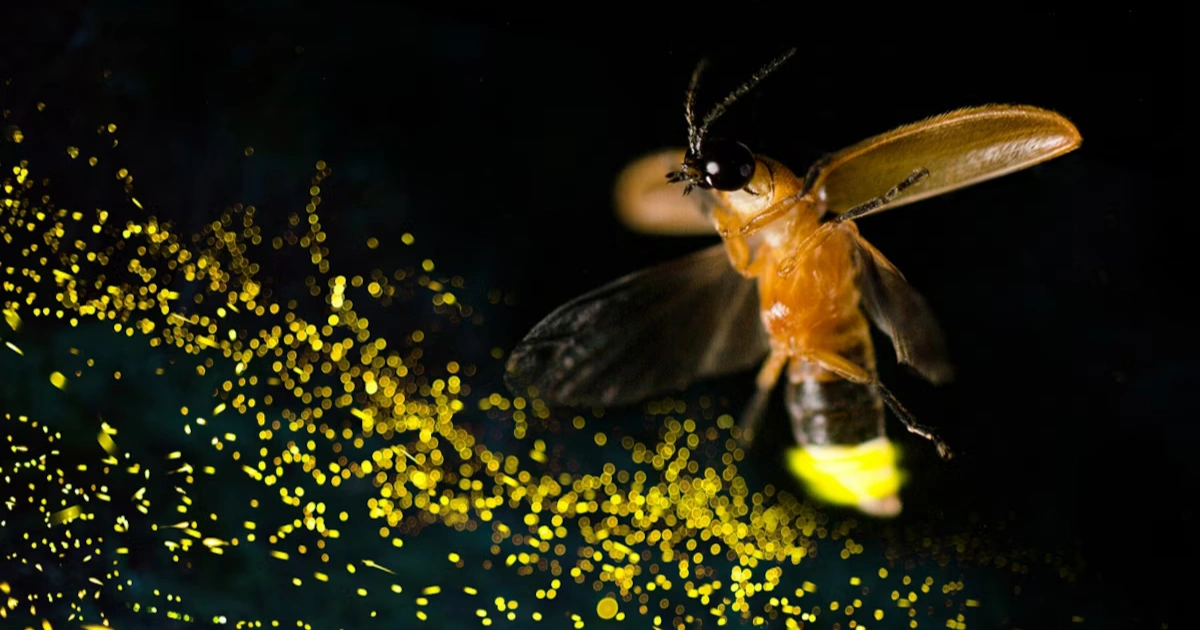
On warm summer evenings, few sights are as magical as the gentle flashes of fireflies drifting across a garden or meadow. For many people, these glowing insects are symbols of childhood memories, quiet nights, and healthy natural landscapes. Yet behind their enchanting light show lies a surprisingly brief and fragile adult life.
Most of a firefly’s existence is spent hidden from view beneath leaves, soil, and decaying wood. The glowing adults that appear each summer have only a short window to find a mate, reproduce, and complete their life cycle. Understanding this remarkable journey helps explain why firefly populations are declining in many regions and what homeowners can do to help protect them.
Primary Keyword: firefly life cycle
The Hidden Beginning of the Firefly Life Cycle
Most people only notice fireflies when they begin flashing at night, but that visible stage represents just a small fraction of their lives.
Fireflies spend the majority of their life cycle as larvae living on or beneath the ground. Depending on the species, this stage can last one to two years or even longer.
During this period, larvae feed on:
- Snails
- Slugs
- Worms
- Soft-bodied insects
- Other small invertebrates
The larval stage is critical because it allows fireflies to accumulate the energy reserves needed for adulthood.
Life Underground: The Longest Chapter
For much of their development, firefly larvae remain hidden in moist environments.
Common habitats include:
- Leaf litter
- Woodland floors
- Garden mulch
- Meadow soils
- Decaying logs
These locations provide shelter, food, and moisture that support healthy development.
Unlike the brief adult stage, larvae spend months or years feeding and growing before eventually pupating.
Emergence: The Beginning of Adult Life
As temperatures and environmental conditions become favorable, mature larvae transform into pupae and eventually emerge as adult fireflies.
This transformation marks the beginning of the stage most people recognize.
Adult fireflies have a very different mission than their larval counterparts. Instead of focusing primarily on feeding and growth, adults devote most of their energy to reproduction.
For many species, adulthood lasts only a few weeks.
Why Fireflies Flash
The famous glow of fireflies is not simply decorative.
It serves as a sophisticated communication system that helps males and females locate one another in the darkness.
Each species produces distinctive flash patterns that function like a unique language.
Firefly Communication Signals
Different species use:
- Specific flash durations
- Distinct timing intervals
- Unique flight patterns
- Characteristic light intensity
These signals help ensure that individuals find suitable mates from their own species.
Scientists refer to this process as bioluminescent communication.
The Science Behind Firefly Bioluminescence
Fireflies produce light through a highly efficient chemical reaction occurring in specialized organs located in their abdomen.
This reaction involves:
- Luciferin
- Luciferase
- Oxygen
- Cellular energy
Unlike incandescent bulbs, which generate significant heat, firefly light is remarkably efficient and produces very little wasted energy.
For this reason, firefly bioluminescence is often referred to as “cold light.”
A Race Against Time
One of the most fascinating aspects of the firefly life cycle is the contrast between its lengthy development and brief adulthood.
A firefly may spend years growing underground yet only a few weeks as a flying adult.
During that short period, adults must:
- Locate potential mates
- Complete courtship displays
- Reproduce successfully
- Lay eggs for the next generation
Failure to complete these steps means the end of the genetic line for that individual.
Why Artificial Light Is a Growing Problem
Fireflies evolved in naturally dark environments where their signals could be easily seen.
Modern artificial lighting can interfere with this process.
Sources of Light Pollution
Common sources include:
- Porch lights
- Landscape lighting
- Streetlights
- Security lights
- Commercial lighting
Excessive nighttime illumination may make it more difficult for fireflies to detect mating signals.
Research increasingly suggests that light pollution is one of the factors contributing to firefly declines in some areas.
Habitat Loss and Firefly Decline
Beyond artificial light, habitat loss represents another major challenge.
Fireflies depend on environments that provide:
- Moist soil
- Leaf litter
- Native vegetation
- Stable ecosystems
Urban development often removes these essential habitat features.
When natural areas are replaced by heavily managed landscapes, firefly populations may struggle to survive.
The Impact of Pesticides
Because firefly larvae spend much of their lives in soil and leaf litter, they are particularly vulnerable to chemical exposure.
Pesticides may:
- Kill larvae directly
- Reduce prey populations
- Disrupt ecosystem balance
- Degrade habitat quality
Reducing pesticide use can benefit not only fireflies but also many other beneficial insects.
How to Create a Firefly-Friendly Garden
Homeowners can take several simple steps to support local firefly populations.
Leave Leaf Litter in Place
Leaf litter serves as important habitat for larvae and their prey.
Instead of removing every fallen leaf, consider leaving some natural areas undisturbed.
Reduce Outdoor Lighting
Whenever possible:
- Turn off unnecessary lights
- Use motion sensors
- Shield outdoor fixtures
- Choose warmer-colored lighting
Darker nights make it easier for fireflies to communicate.
Plant Native Vegetation
Native plants support healthy ecosystems and provide shelter for numerous wildlife species.
Avoid Broad-Spectrum Pesticides
Reducing chemical use helps protect both larvae and adult fireflies.
Maintain Moist Areas
Fireflies generally thrive in habitats that retain moisture, particularly during their larval stage.
Why Fireflies Matter
Fireflies are more than beautiful insects.
They contribute to biodiversity and serve as indicators of environmental health.
Healthy firefly populations often suggest:
- Good habitat quality
- Low levels of pollution
- Balanced ecosystems
- Diverse wildlife communities
Protecting fireflies benefits many other species that share the same environment.
Frequently Asked Questions
How long do fireflies live?
Most fireflies spend one to two years as larvae and only a few weeks as flying adults. The exact lifespan varies by species and environmental conditions.
Do adult fireflies eat?
Some adult fireflies feed on nectar or pollen, while others eat very little or not at all during their short adult lives.
Why do fireflies glow?
Fireflies use bioluminescence primarily for communication and mate attraction. Different species produce unique flash patterns.
Are firefly populations declining?
In some regions, firefly populations appear to be declining due to habitat loss, light pollution, pesticide use, and environmental changes.
How can I attract fireflies to my yard?
Creating natural habitat, reducing outdoor lighting, planting native vegetation, and minimizing pesticide use can help support local firefly populations.
Conclusion
The firefly life cycle is one of nature’s most remarkable stories. These insects may spend years developing in hidden underground habitats only to emerge for a brief season of flashing lights and courtship displays.
Their short adult lives make every summer evening glow especially meaningful. By preserving natural habitats, reducing light pollution, and supporting wildlife-friendly gardening practices, homeowners can help ensure that future generations continue to experience the wonder of fireflies lighting up warm summer nights.
Suggested Internal Links for SecretsoftheGreenGarden.com
Consider linking to related articles using anchor text such as:
- How to Create a Pollinator-Friendly Garden
- Why Native Plants Support Backyard Wildlife
- The Most Magical Insects Found in Summer Gardens
Suggested External Resources
For readers interested in learning more, consider referencing:
- Xerces Society Firefly Conservation Resources
- National Park Service Firefly Information
- Smithsonian Environmental Research Center Firefly Studies
Related Keywords: fireflies, bioluminescence, firefly habitat, light pollution, beneficial insects, summer wildlife, native ecosystems, backyard biodiversity, insect conservation.