
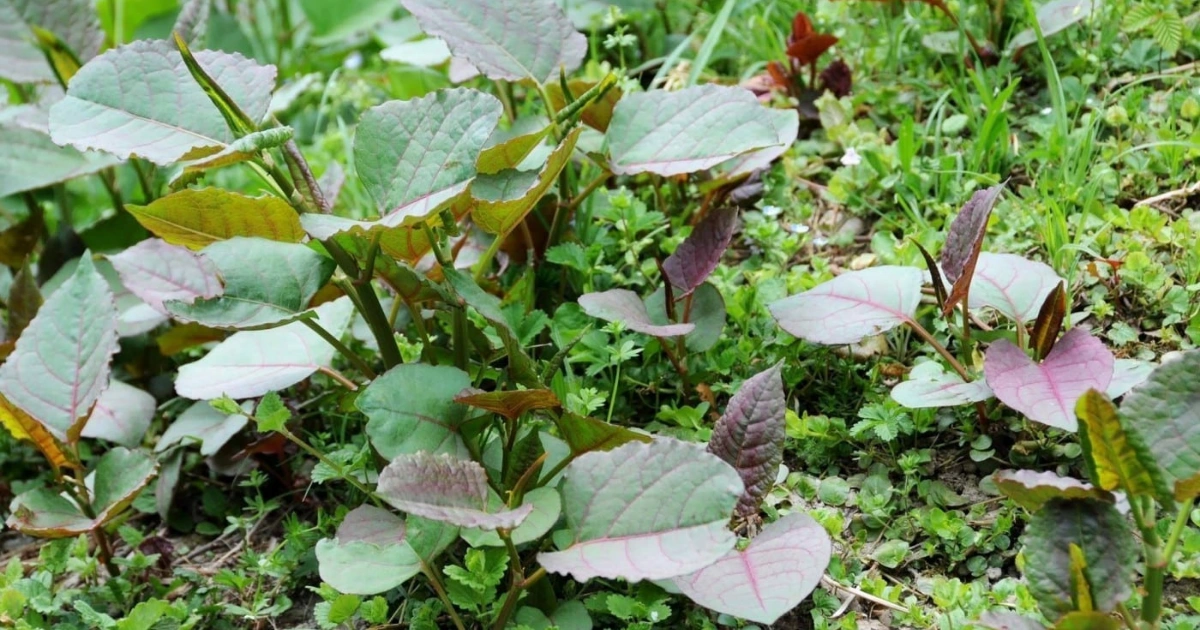
Japanese knotweed is one of the most challenging invasive plants found in many parts of North America and Europe. Although it may appear attractive during certain times of the year, this fast-growing species can spread aggressively, damage infrastructure, outcompete native vegetation, and become extremely difficult to remove once established.
Because early identification is critical, homeowners, gardeners, and land managers should understand how to recognize Japanese knotweed and what steps to take if it appears on their property.
Primary Keyword: Japanese knotweed identification
What Is Japanese Knotweed?
Japanese knotweed (Reynoutria japonica, formerly Fallopia japonica) is a perennial invasive plant originally introduced as an ornamental species.
Its rapid growth and extensive underground rhizome system have allowed it to spread far beyond cultivated landscapes. Today, it is considered invasive in many regions because it can dominate habitats and displace native plant communities.
Once established, Japanese knotweed often forms dense stands that are difficult to control.
Why Japanese Knotweed Is Considered Invasive
Unlike many garden plants, Japanese knotweed spreads aggressively through underground rhizomes.
Even small fragments of roots or stems may generate new plants under favorable conditions.
Problems associated with infestations include:
- Suppression of native vegetation
- Reduced biodiversity
- Increased erosion along waterways
- Damage to hardscapes and structures
- Difficult and costly removal efforts
For this reason, early Japanese knotweed identification is extremely important.
Key Features for Japanese Knotweed Identification
Hollow Bamboo-Like Stems
One of the easiest characteristics to recognize is the stem structure.
Japanese knotweed produces:
- Hollow stems
- Distinct joints or nodes
- Reddish-brown coloration
- Upright cane-like growth
The stems often resemble bamboo, although the plants are unrelated.
Mature plants commonly reach heights of 6 to 10 feet (1.8 to 3 meters), depending on growing conditions.
Heart-Shaped Leaves
The leaves provide another important identification clue.
Typical characteristics include:
- Broad heart-shaped appearance
- Flat or slightly squared leaf base
- Smooth margins
- Alternating arrangement along stems
Leaves are generally 4 to 6 inches long but may vary depending on plant maturity and growing conditions.
Creamy White Flowers
During late summer, Japanese knotweed produces clusters of small flowers.
These flowers appear as:
- Creamy white plumes
- Branched flower clusters
- Dense sprays near stem tips
While visually attractive, flowering often signals that the infestation is well established.
Persistent Winter Canes
After frost, the plant dies back above ground.
However, dead canes frequently remain standing throughout winter.
These dry stems can help identify infestations even when leaves are absent.
New shoots commonly emerge from the same locations the following spring.
The Real Problem: The Underground Rhizome System
The most destructive part of Japanese knotweed is not what you see above ground.
Its underground rhizome network can spread extensively beneath the soil surface.
How Far Can Rhizomes Spread?
Research has documented rhizomes that may extend:
- Several feet deep
- Many feet horizontally
- Beyond visible plant growth
This hidden network allows the plant to regenerate even after repeated cutting.
Why Small Fragments Matter
One reason knotweed is so difficult to control is its ability to regrow from tiny pieces of rhizome.
Even small fragments left in the soil can potentially generate new plants.
This is why improper removal methods often make infestations worse rather than better.
Common Mistakes Homeowners Make
Rototilling the Area
Many people assume tilling will destroy the infestation.
In reality, tilling can break rhizomes into multiple pieces, each capable of producing new growth.
This may significantly increase the spread of the plant.
Moving Contaminated Soil
Transporting soil containing knotweed fragments can unintentionally create new infestations elsewhere.
Always follow local disposal guidelines.
Repeated Mowing Alone
While mowing may temporarily suppress growth, it rarely eliminates established infestations by itself.
The underground rhizomes usually survive and continue producing new shoots.
Where Japanese Knotweed Commonly Grows
This invasive species thrives in a wide range of environments.
Common locations include:
- Roadsides
- Riverbanks
- Vacant lots
- Woodland edges
- Residential properties
- Disturbed soils
- Construction sites
Its adaptability is one reason it spreads so successfully.
How Japanese Knotweed Impacts Native Ecosystems
Dense stands of knotweed can dramatically alter habitats.
Potential ecological impacts include:
Reduced Plant Diversity
Large colonies often shade out native species and monopolize resources.
Habitat Alteration
Many insects and wildlife species depend on native vegetation for food and shelter.
When native plants disappear, associated wildlife may decline as well.
Increased Erosion Risk
In winter, knotweed dies back completely above ground, leaving bare soil vulnerable to erosion, particularly along waterways.
Management and Control Strategies
Control methods vary depending on local regulations and infestation size.
Professional Assessment
Large infestations often require evaluation by qualified invasive species specialists.
Integrated Management
Successful control may involve:
- Repeated monitoring
- Mechanical suppression
- Targeted herbicide treatments where legally permitted
- Long-term follow-up
Control programs frequently require multiple years to achieve meaningful results.
Follow Local Guidance
Management recommendations differ between regions due to varying laws and environmental conditions.
Always consult local extension services or invasive species authorities before beginning a control program.
Preventing New Infestations
Prevention is significantly easier than removal.
Consider the following practices:
- Learn to recognize young shoots
- Inspect imported soil and fill material
- Avoid moving suspected plant fragments
- Monitor disturbed areas regularly
- Report new infestations where required
Early detection often reduces long-term management costs.
Frequently Asked Questions
How can I identify Japanese knotweed?
Look for hollow bamboo-like stems, heart-shaped leaves, creamy white flower clusters in late summer, and persistent dead canes during winter.
Is Japanese knotweed dangerous to people?
The plant is generally not considered toxic to touch. However, its aggressive growth can create significant environmental and property management challenges.
Can Japanese knotweed damage buildings?
While it does not typically break through solid foundations, its extensive rhizome system can exploit existing cracks and weaknesses in structures, pavements, and drainage systems.
Why is Japanese knotweed so difficult to remove?
Its underground rhizomes store energy and can regenerate from small fragments, allowing the plant to recover after cutting or disturbance.
Should I dig up Japanese knotweed myself?
Small infestations may sometimes be managed with careful planning, but large infestations often require professional guidance. Improper digging can spread the plant further.
Conclusion
Japanese knotweed is one of the most persistent invasive plants homeowners may encounter. Its bamboo-like stems, heart-shaped leaves, late-season flowers, and extensive underground rhizomes make it both recognizable and difficult to control.
Accurate Japanese knotweed identification is the first and most important step toward effective management. By learning to recognize its key characteristics and avoiding common mistakes such as tilling or moving contaminated soil, property owners can reduce the risk of spreading this highly invasive species.
Early detection, proper disposal, and long-term monitoring remain the most effective strategies for protecting gardens, landscapes, and native ecosystems from Japanese knotweed.
Suggested Internal Links for SecretsoftheGreenGarden.com
Consider linking to related articles using anchor text such as:
- How to Identify Common Invasive Garden Plants
- Native Plants That Outcompete Weeds Naturally
- Creating a Wildlife-Friendly Garden With Native Species
Suggested External Resources
For science-based guidance and regional recommendations, consider referencing:
- USDA National Invasive Species Information Center
- Penn State Extension Japanese Knotweed Resources
- University of Minnesota Extension Invasive Species Management Guides
Related Keywords: invasive plants, knotweed control, rhizome spread, invasive species management, garden weeds, habitat restoration, native plants, ecosystem conservation, plant identification.