
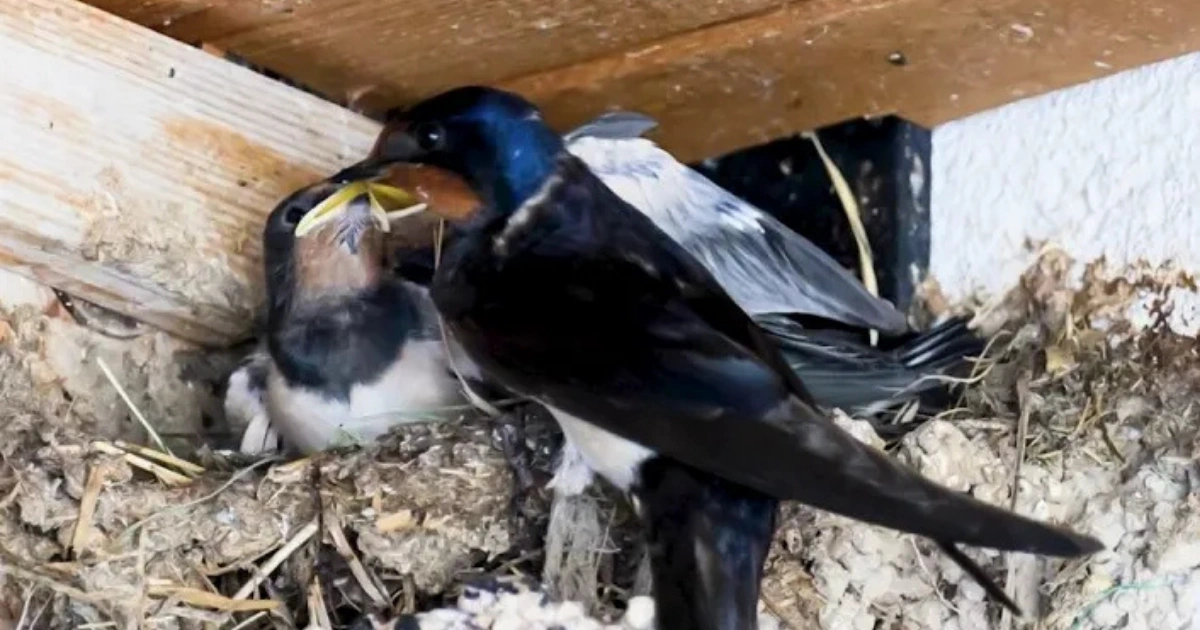
Few birds are as closely connected to farms, barns, and rural landscapes as the barn swallow. With their graceful flight, deeply forked tails, and remarkable aerial hunting skills, these birds are among nature’s most effective insect controllers. Throughout the breeding season, a single barn swallow can consume hundreds of flying insects each day, making them valuable allies for gardeners, farmers, and homeowners alike.
Despite their widespread recognition, many people know surprisingly little about how barn swallows live, nest, and contribute to healthy ecosystems. Understanding these remarkable birds can help encourage their conservation and support their continued presence in our communities.
Primary Keyword: barn swallow
What Is a Barn Swallow?
The barn swallow (Hirundo rustica) is one of the most widely distributed bird species in the world. Known for its streamlined body, pointed wings, and long forked tail, it is perfectly adapted for catching insects while flying.
Adult barn swallows are easily recognized by:
- Metallic blue upperparts
- Warm orange or cinnamon-colored throat
- Cream-colored underparts
- Long, deeply forked tail
- Fast and agile flight
These characteristics make them one of the most recognizable migratory birds across much of North America, Europe, Asia, and parts of Africa.
Why Barn Swallows Are Valuable to Gardens and Farms
One of the greatest benefits of attracting barn swallows is their appetite for flying insects.
As aerial insectivores, barn swallows feed almost entirely while in flight.
Their diet commonly includes:
- Mosquitoes
- Flies
- Gnats
- Flying ants
- Beetles
- Moths
- Agricultural pests
During the breeding season, adults spend much of their day collecting insects to feed themselves and their growing chicks.
Natural Insect Control
Unlike chemical pest control methods, barn swallows provide a natural and sustainable form of insect management.
Benefits include:
- Reduced mosquito populations
- Fewer nuisance flies
- Support for ecological balance
- No chemical residues
This makes barn swallows an important component of healthy agricultural and backyard ecosystems.
The Remarkable Flight of the Barn Swallow
Barn swallows spend much of their lives in the air.
Their body shape is specifically adapted for:
- High-speed maneuvering
- Rapid directional changes
- Long-distance migration
- Efficient insect capture
They often skim low over fields, ponds, meadows, and open landscapes while searching for prey.
Watching a flock of swallows feeding at dusk is one of the most impressive displays of avian flight found in nature.
Where Barn Swallows Build Their Nests
Unlike many songbirds, barn swallows frequently nest near human structures.
Common nesting locations include:
- Barns
- Sheds
- Porches
- Bridges
- Open garages
- Livestock shelters
- Building overhangs
The species has adapted remarkably well to nesting around people.
How Barn Swallows Construct Nests
Barn swallows build cup-shaped nests using:
- Mud pellets
- Grass stems
- Plant fibers
- Feathers
Both adults participate in construction, often making hundreds of trips to gather building materials.
The finished nest is typically attached to a vertical surface beneath a protected overhang.
Nesting Season and Reproduction
The breeding season varies depending on location but generally begins during spring and continues through summer.
A typical nesting cycle includes:
- Nest construction
- Egg laying
- Incubation
- Chick development
- Fledging
Most nests contain between four and five eggs.
Raising Young
After hatching, both parents work tirelessly to feed their chicks.
A growing brood requires thousands of insects during development.
Parents may make hundreds of feeding trips each day until the young birds are ready to leave the nest.
Migration: One of Nature’s Great Journeys
Barn swallows are long-distance migrants.
Many populations travel thousands of miles between breeding and wintering grounds.
Their migration may span:
- Entire continents
- Multiple climate zones
- Vast ocean crossings
These journeys require extraordinary endurance and navigation abilities.
The arrival of barn swallows in spring is often viewed as a seasonal sign that warmer weather has arrived.
How to Attract Barn Swallows
Homeowners who wish to encourage barn swallows can create suitable habitat conditions.
Provide Open Flight Areas
Barn swallows prefer:
- Open fields
- Meadows
- Pastures
- Large gardens
Dense forests are generally less attractive because swallows need room to maneuver while hunting.
Preserve Mud Sources
Mud is essential for nest construction.
Small wet areas can provide building materials during nesting season.
Reduce Pesticide Use
Excessive pesticide application reduces insect populations that swallows depend upon for food.
A healthy insect community supports healthy bird populations.
Leave Existing Nests Undisturbed
Barn swallows often return to successful nesting sites year after year.
Where legal and safe, preserving old nests can encourage future occupancy.
Common Challenges Facing Barn Swallows
Although still widespread, barn swallow populations have declined in some regions.
Potential threats include:
Habitat Loss
Changes in agricultural practices and urban development can reduce suitable nesting and feeding areas.
Declining Insect Populations
Many scientists have documented reductions in insect abundance in certain regions.
Because barn swallows rely heavily on flying insects, these declines may affect breeding success.
Nest Disturbance
Removal of active nests can disrupt reproduction and reduce local populations.
In many countries, active nests are protected by wildlife laws.
Barn Swallows and Conservation
Supporting barn swallows benefits both people and ecosystems.
Conservation efforts often focus on:
- Protecting nesting sites
- Preserving open habitats
- Maintaining insect-rich landscapes
- Encouraging wildlife-friendly farming practices
Simple actions by landowners can contribute significantly to local bird conservation.
Frequently Asked Questions
How many insects can a barn swallow eat in a day?
The exact number varies depending on conditions, but barn swallows consume large quantities of flying insects daily and may catch hundreds during active feeding periods.
Do barn swallows help control mosquitoes?
Yes. Mosquitoes are among the many flying insects consumed by barn swallows, although they also eat flies, gnats, beetles, and other aerial prey.
Are barn swallows protected?
In many countries, barn swallows and their active nests are protected under wildlife conservation laws. Regulations vary by location.
Why do barn swallows nest near buildings?
Human structures often provide sheltered surfaces that resemble natural cliff overhangs, making them attractive nesting locations.
Do barn swallows return to the same nest every year?
Many barn swallows return to previous breeding areas and may reuse or repair successful nests from earlier seasons.
Conclusion
The barn swallow is far more than a beautiful summer visitor. These remarkable birds provide valuable natural insect control, support ecosystem health, and perform some of the most impressive migrations in the bird world.
By understanding their nesting habits, protecting suitable habitat, and reducing unnecessary pesticide use, homeowners and land managers can help ensure that future generations continue to enjoy the sight of barn swallows soaring across summer skies.
Their presence is often a sign of a healthy landscape—and a reminder that nature frequently offers its own solutions to many common challenges.
Suggested Internal Links for SecretsoftheGreenGarden.com
Consider linking to related articles using anchor text such as:
- How to Create a Bird-Friendly Backyard
- Native Plants That Support Beneficial Wildlife
- Why Insect Diversity Matters in Healthy Gardens
Suggested External Resources
For additional information, consider referencing:
- Cornell Lab of Ornithology Barn Swallow Guide
- National Audubon Society Bird Conservation Resources
- U.S. Fish & Wildlife Service Migratory Bird Information
Related Keywords: swallow bird, aerial insectivore, backyard birds, bird conservation, migratory birds, natural pest control, nesting birds, wildlife-friendly garden, beneficial birds.