
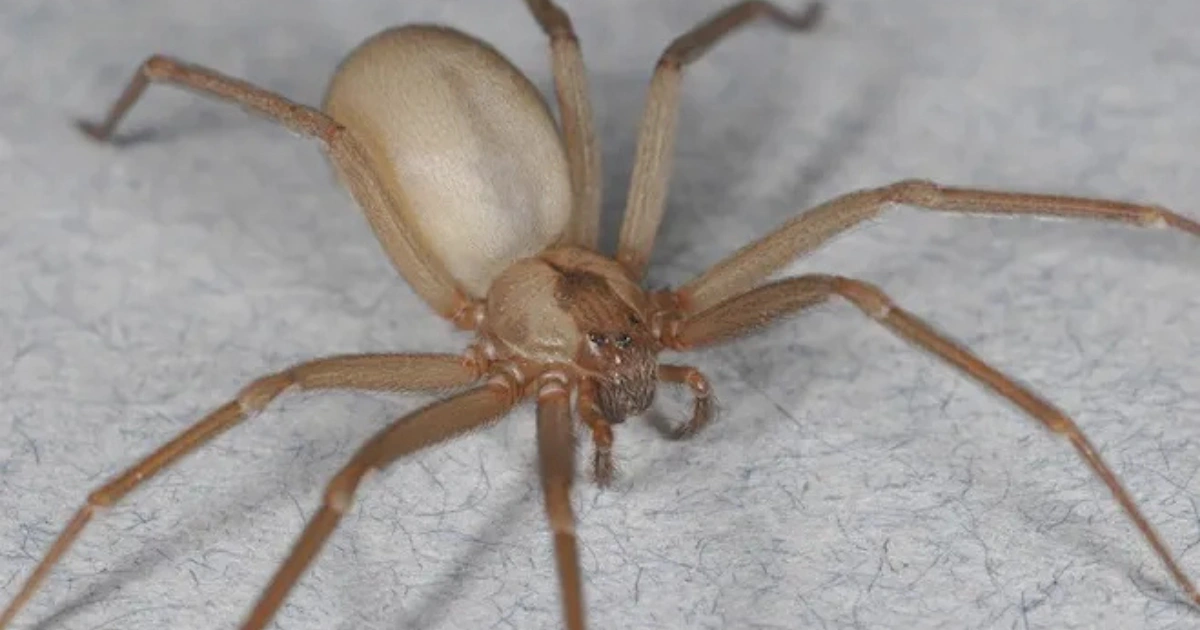
The brown recluse spider is one of the most discussed—and often misunderstood—spiders in North America. Stories about dangerous bites frequently circulate online, leading many people to assume that any brown spider they encounter is a brown recluse. In reality, accurate identification requires careful observation of several distinct characteristics.
Understanding how to identify a brown recluse spider, where it lives, and when medical attention may be necessary can help homeowners separate facts from myths while making informed decisions about spider encounters.
Primary Keyword: brown recluse spider identification
What Is a Brown Recluse Spider?
The brown recluse spider (Loxosceles reclusa) belongs to a group of spiders known as recluse spiders. These spiders are typically shy, nocturnal, and avoid contact with humans whenever possible.
They are most commonly found in parts of the central and southern United States, although reports from outside their native range are often cases of mistaken identity.
Because many harmless spiders resemble them, proper brown recluse spider identification is essential.
Key Characteristics of a Brown Recluse Spider
Several features help distinguish a brown recluse from other spiders.
The Violin-Shaped Marking
The most famous identifying feature is the dark marking on the cephalothorax (the body section where the legs attach).
This marking often resembles:
- A violin
- A fiddle
- A violin with the neck pointing toward the abdomen
However, relying solely on this marking can lead to misidentification because other spider species may display similar patterns.
Six Eyes Instead of Eight
One of the most reliable identification features is the eye arrangement.
Most spiders have eight eyes.
Brown recluse spiders have:
- Six eyes
- Arranged in three pairs
- One pair in the center
- One pair on each side
This characteristic typically requires close examination or magnification to confirm.
Uniform Light Brown Coloration
Adult brown recluse spiders generally display:
- Light to medium brown coloring
- Uniform body coloration
- No obvious stripes
- No bold patterns
Unlike many other spiders, their legs usually lack strong banding or contrasting markings.
Long, Slender Legs
Brown recluse spiders have:
- Thin legs
- Relatively long proportions
- Fine hairs
- No prominent spines
Their appearance is often more delicate than that of many common house spiders.
Where Brown Recluse Spiders Are Commonly Found
As their name suggests, brown recluse spiders prefer secluded locations.
Typical hiding places include:
- Cardboard boxes
- Storage closets
- Attics
- Basements
- Garages
- Woodpiles
- Unused shoes
- Stored clothing
They are generally active at night and spend daylight hours hidden in protected areas.
Understanding Their Webs
Unlike orb-weaving spiders that create symmetrical webs, brown recluse spiders build irregular retreats.
Their webs are usually:
- Loose and disorganized
- Small and inconspicuous
- Used primarily for shelter
- Located in hidden spaces
They do not rely on large capture webs to hunt prey.
Are Brown Recluse Spiders Aggressive?
One of the biggest misconceptions is that brown recluse spiders actively seek to bite people.
In reality, they are considered highly reclusive.
Most bites occur when:
- A spider becomes trapped in clothing
- Someone reaches into a hidden space
- Bedding contains a hidden spider
- Shoes are worn without inspection
The spider typically bites only when pressed against the skin or threatened.
Brown Recluse Bite Symptoms
Although bites are relatively uncommon, they can occur.
Initial symptoms may include:
- Mild pain or stinging
- Redness
- Swelling
- Local irritation
In some cases, symptoms become more severe over time.
Potential Complications
A small percentage of bites may result in:
- Skin tissue damage
- Ulcer formation
- Fever
- Fatigue
- Nausea
Severe reactions are uncommon but can occur, particularly in sensitive individuals.
What To Do After a Suspected Bite
If you suspect a spider bite, experts generally recommend:
Clean the Area
Wash the affected area gently with soap and water.
Apply a Cold Compress
Cold packs may help reduce swelling and discomfort.
Monitor Symptoms
Watch for:
- Increasing redness
- Expanding skin damage
- Fever
- Systemic symptoms
Seek Medical Evaluation
Professional medical assessment is recommended if symptoms worsen or if a brown recluse bite is strongly suspected.
Only a healthcare professional can properly evaluate and manage potential complications.
Common Spiders Mistaken for Brown Recluses
Many harmless spiders are frequently misidentified.
Examples include:
- Wolf spiders
- Nursery web spiders
- Fishing spiders
- Cellar spiders
- Funnel weavers
- Common house spiders
This is one reason why verified brown recluse spider identification is important before drawing conclusions.
Preventing Brown Recluse Encounters
Homeowners can reduce potential encounters by taking a few precautions.
Reduce Clutter
Storage areas with excessive clutter provide ideal hiding places.
Inspect Stored Items
Check:
- Shoes
- Gloves
- Clothing
- Boxes
Especially if they have not been used recently.
Seal Entry Points
Repairing cracks and gaps may help limit spider access.
Use Caution Around Stored Materials
Wear gloves when handling woodpiles, storage boxes, or items stored for long periods.
The Ecological Role of Brown Recluse Spiders
Like many spiders, brown recluses are predators that help control insect populations.
They feed on:
- Small insects
- Other arthropods
- Household pests
Although they are often feared, they play a role in maintaining ecological balance.
Frequently Asked Questions
How can I identify a brown recluse spider?
Look for a combination of features including a violin-shaped marking, six eyes arranged in three pairs, uniformly light brown coloration, and long slender legs.
Are brown recluse spiders found everywhere?
No. They have a relatively limited native range within the United States. Many reported sightings outside this range involve other spider species.
Is every brown spider a brown recluse?
No. Many harmless spiders are brown and share some visual similarities. Proper identification requires examining multiple characteristics.
Are brown recluse bites common?
Confirmed bites are relatively uncommon because these spiders generally avoid human contact.
Should I seek medical care for a suspected brown recluse bite?
Yes. Any suspected spider bite that causes worsening symptoms, significant pain, skin damage, or systemic illness should be evaluated by a healthcare professional.
Conclusion
Accurate brown recluse spider identification requires more than noticing a brown spider in the home. The violin-shaped marking, six-eye arrangement, uniform coloration, and preference for secluded habitats all contribute to reliable identification.
While brown recluse bites can be medically significant, these spiders are generally shy and non-aggressive. Most encounters can be avoided through simple preventive measures such as reducing clutter, inspecting stored items, and sealing entry points.
Understanding the facts about brown recluse spiders helps reduce unnecessary fear while encouraging appropriate caution and informed decision-making.
Suggested Internal Links for SecretsoftheGreenGarden.com
Consider linking to related articles using anchor text such as:
- Common Beneficial Spiders Found in Gardens
- How to Create a Wildlife-Friendly Backyard Ecosystem
- Natural Ways to Reduce Household Pest Problems
Suggested External Resources
For accurate identification and medical information, consider referencing:
- Centers for Disease Control and Prevention (CDC) Spider Bite Information
- University of California Integrated Pest Management Spider Resources
- National Library of Medicine Health Information Resources
Related Keywords: recluse spider, spider identification, venomous spiders, household spiders, spider bite symptoms, pest management, arachnids, spider safety, wildlife awareness.