
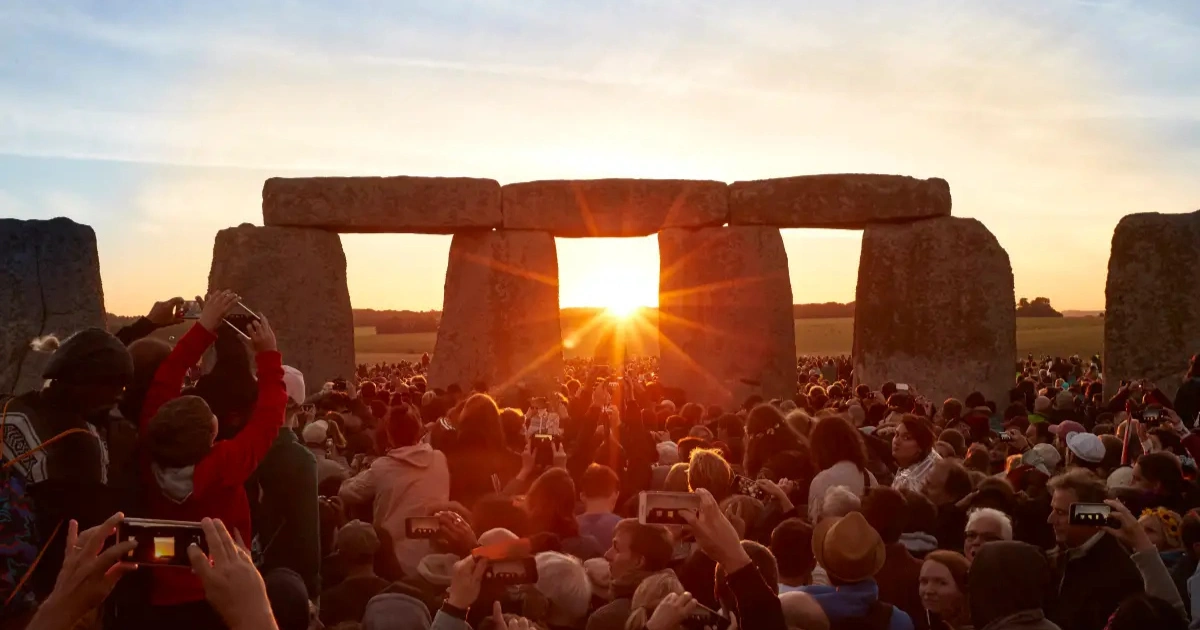
Every year, the arrival of the summer solstice marks a special moment in Earth’s journey around the Sun. Known as the longest day of the year in the Northern Hemisphere, the summer solstice brings the greatest amount of daylight and signals the astronomical beginning of summer.
For centuries, people around the world have celebrated this event through festivals, traditions, and seasonal gatherings. Beyond its cultural significance, the summer solstice offers a fascinating glimpse into the relationship between Earth, the Sun, and the changing seasons.
Primary Keyword: summer solstice
What Is the Summer Solstice?
The summer solstice occurs when the Northern Hemisphere is tilted most directly toward the Sun. This alignment causes the Sun to appear at its highest point in the sky and results in the longest period of daylight of the year.
The event usually takes place on June 20 or June 21, depending on the year and time zone.
Although it marks the beginning of astronomical summer, it is not necessarily the hottest day of the year. Temperatures typically continue to rise for several weeks afterward because land and oceans take time to absorb and release solar energy.
Why Does the Summer Solstice Happen?
The Earth rotates on an axis tilted approximately 23.5 degrees relative to its orbit around the Sun.
Earth’s Tilt Creates the Seasons
As Earth travels around the Sun:
- Different hemispheres receive varying amounts of sunlight.
- The Northern Hemisphere experiences summer when tilted toward the Sun.
- The Southern Hemisphere experiences winter at the same time.
The summer solstice represents the point when the Northern Hemisphere receives its maximum daily exposure to sunlight.
Longest Daylight Hours
During the summer solstice:
- Sunrise occurs early.
- Sunset occurs late.
- Daylight lasts longer than on any other day of the year.
The farther north a location is, the greater the difference becomes.
In some Arctic regions, the Sun remains visible for 24 hours, creating the phenomenon known as the Midnight Sun.
What Happens After the Solstice?
Many people assume the longest day means daylight will continue increasing.
In reality, the opposite happens.
Immediately after the summer solstice:
- Days gradually become shorter.
- Sunsets occur slightly earlier each day.
- The Sun’s path across the sky slowly lowers.
These changes are subtle at first but become more noticeable as autumn approaches.
The Summer Solstice and Nature
The summer solstice plays an important role in natural ecosystems.
Peak Growing Season
Many plants benefit from:
- Extended daylight hours
- Increased photosynthesis
- Faster growth rates
Gardens, meadows, forests, and agricultural fields often reach peak productivity during this period.
Wildlife Activity
Longer days support:
- Pollinator activity
- Bird feeding and nesting
- Insect reproduction
- Increased animal foraging
Many species synchronize important life stages with seasonal daylight patterns.
Summer Solstice Traditions Around the World
The summer solstice has inspired celebrations for thousands of years.
Ancient Monuments
Many ancient structures appear aligned with the solstice sunrise or sunset.
Examples include:
- Stonehenge
- Newgrange
These alignments suggest that early civilizations carefully observed seasonal changes.
Modern Celebrations
Today, communities around the world mark the occasion through:
- Outdoor festivals
- Cultural gatherings
- Nature walks
- Sunrise observations
- Seasonal celebrations
For many people, the solstice symbolizes abundance, warmth, and the height of the growing season.
Common Myths About the Summer Solstice
Myth 1: It Is the Hottest Day of the Year
The solstice brings the most daylight, but temperatures often peak weeks later due to seasonal lag.
Myth 2: The Sun Is Closer to Earth
Seasons are caused primarily by Earth’s axial tilt, not changes in distance from the Sun.
Myth 3: Daylight Stops Increasing Everywhere
In the Southern Hemisphere, the June solstice marks the shortest day of the year rather than the longest.
How Gardeners Can Celebrate the Summer Solstice
For gardeners, the summer solstice offers an opportunity to appreciate the peak of the growing season.
Consider:
- Observing pollinator activity
- Photographing garden progress
- Harvesting seasonal crops
- Planting flowers for late-summer color
- Creating wildlife-friendly habitats
The longest day serves as a reminder of how sunlight powers nearly every aspect of garden life.
Frequently Asked Questions
What is the summer solstice?
The summer solstice is the moment when the Northern Hemisphere is tilted most directly toward the Sun, resulting in the longest day of the year.
When does the summer solstice occur?
It usually occurs on June 20 or June 21 in the Northern Hemisphere.
Why is the summer solstice the longest day?
Because Earth’s tilted axis allows the Northern Hemisphere to receive the greatest amount of sunlight during a single day.
Is the summer solstice the first day of summer?
Astronomically, yes. It marks the official beginning of summer in the Northern Hemisphere.
Does the summer solstice occur worldwide?
Yes, but its effects differ between hemispheres. While the Northern Hemisphere experiences its longest day, the Southern Hemisphere experiences its shortest.
Conclusion
The summer solstice is one of Earth’s most remarkable seasonal events. Marking the longest day of the year and the start of astronomical summer, it highlights the influence of Earth’s tilted axis on climate, ecosystems, and daily life.
Whether observed through scientific curiosity, cultural traditions, or a simple walk through a sunlit meadow, the summer solstice offers a meaningful reminder of our planet’s connection to the Sun and the rhythms of nature.
Suggested Internal Links for SecretsoftheGreenGarden.com
Consider linking to:
- Best Summer Flowers for Pollinators
- How Longer Daylight Affects Garden Growth
- Creating a Wildlife-Friendly Summer Garden
Suggested External Resources
For accurate scientific information, consider referencing:
- NASA Earth Science Seasonal Changes Resources
- National Weather Service Astronomy and Seasons Information
- Smithsonian Institution Solstice and Seasonal Science Resources
Related Keywords: longest day of the year, June solstice, Earth’s tilt, astronomical summer, seasonal changes, daylight hours, summer season, Sun and Earth relationship, solstice traditions.