
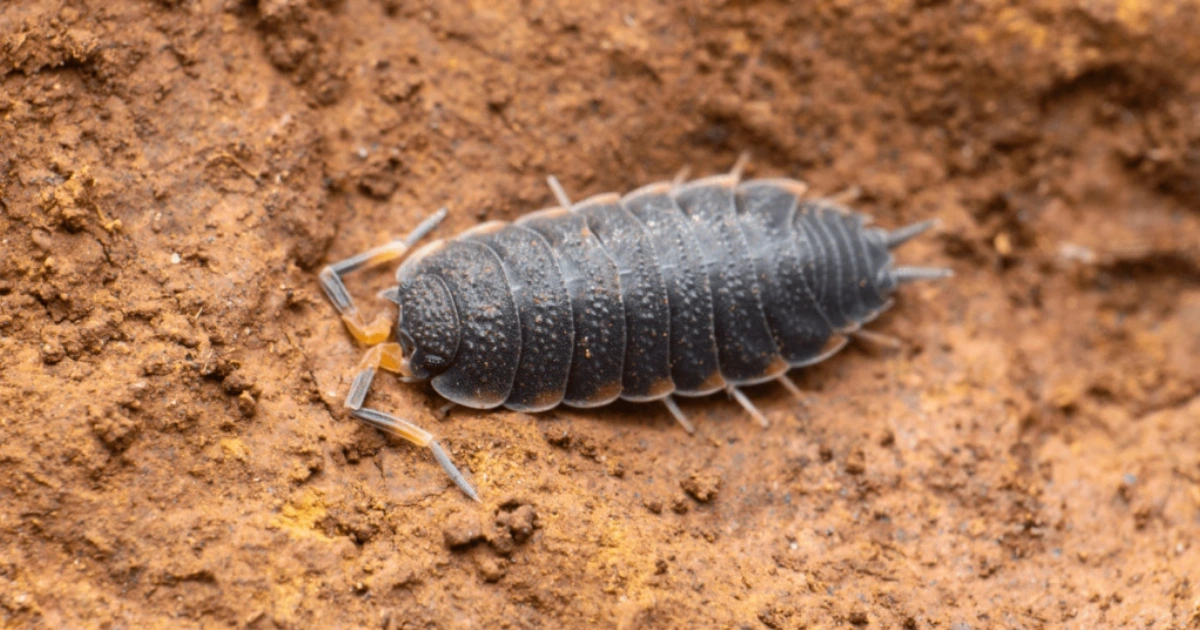
Many gardeners are surprised to learn that woodlice are not insects at all. These small, armored creatures belong to a group of land-dwelling crustaceans, making them closer relatives of crabs, shrimp, and lobsters than beetles or ants. Often found beneath logs, stones, and leaf litter, woodlice play an important role in maintaining healthy soil ecosystems.
Far from being garden pests, these humble decomposers help recycle nutrients, improve soil structure, and support the natural processes that keep gardens productive. Understanding their role can help gardeners appreciate one of nature’s most effective cleanup crews.
Primary Keyword: woodlice benefits in the garden
What Are Woodlice?
Woodlice are terrestrial crustaceans that have adapted to life on land while still requiring moist environments to survive.
Common names include:
- Pill bugs
- Roly-polies
- Sowbugs
- Woodlice
Although different species exist, they all perform similar ecological functions in gardens and natural habitats.
Why They Need Moisture
Unlike insects, woodlice breathe using specialized structures that require humidity.
This is why they are often found:
- Under leaf litter
- Beneath stones
- Inside compost piles
- Around decaying wood
- In shaded garden beds
Their preference for damp environments makes them valuable indicators of healthy soil conditions.
The Role of Woodlice in Soil Health
One of the greatest woodlice benefits in the garden is their contribution to decomposition.
Nature’s Recycling Team
Woodlice feed primarily on:
- Dead leaves
- Decaying plant material
- Rotting wood
- Organic debris
As they consume this material, they break it into smaller pieces that soil microorganisms can process more efficiently.
This accelerates nutrient cycling and helps return valuable minerals to the soil.
Supporting Nutrient Availability
Healthy soil depends on the continuous recycling of nutrients.
By breaking down organic matter, woodlice contribute to the availability of essential nutrients such as:
- Nitrogen
- Phosphorus
- Potassium
These nutrients eventually become accessible to plants through natural soil processes.
How Woodlice Improve Soil Structure
Healthy gardens require more than nutrients alone.
Good soil structure allows:
- Water infiltration
- Root growth
- Air circulation
- Beneficial microbial activity
Creating Better Soil Conditions
As woodlice move through decomposing organic matter, they help fragment material and mix it into the upper soil layers.
This process contributes to:
- Improved soil texture
- Enhanced microbial activity
- Better moisture retention
- Increased organic matter content
Over time, these small contributions support healthier and more resilient garden ecosystems.
Are Woodlice Harmful to Plants?
Many gardeners worry when they see large numbers of woodlice around seedlings or vegetable beds.
Fortunately, woodlice are generally not considered significant garden pests.
What They Usually Eat
Their preferred food sources are:
- Dead plant material
- Fallen leaves
- Decaying organic matter
Healthy, vigorous plants are rarely their first choice.
When Minor Damage Can Occur
In some situations, woodlice may nibble:
- Extremely tender seedlings
- Soft fruits touching the ground
- Weak or damaged plant tissue
However, such damage is usually limited and often indicates an abundance of decomposing material nearby rather than a serious infestation.
Woodlice and Natural Toxin Processing
Research has shown that some woodlice species can accumulate certain heavy metals and environmental contaminants within their bodies.
Because of this ability, scientists sometimes use woodlice as biological indicators when monitoring soil quality.
What This Means for Gardens
Woodlice contribute to ecosystem functions that support soil health, but they should not be viewed as a solution for contamination problems.
Their presence is best understood as part of a larger network of organisms that help maintain healthy soil systems.
Why Woodlice Are Important for Biodiversity
Woodlice occupy a valuable place in the food web.
They serve as prey for:
- Birds
- Amphibians
- Reptiles
- Ground beetles
- Small mammals
By supporting higher levels of the food chain, they help maintain balanced and diverse garden ecosystems.
A Healthy Garden Food Web
The presence of woodlice often indicates:
- Adequate organic matter
- Active decomposition
- Good moisture levels
- Thriving soil life
These are all signs of a biologically active garden.
How to Encourage Beneficial Woodlice Populations
Most gardens naturally attract woodlice, but certain practices can create ideal habitat.
Leave Organic Matter
Woodlice thrive where natural materials accumulate.
Helpful practices include:
- Leaving autumn leaves in garden beds
- Using organic mulch
- Maintaining compost piles
Provide Moisture
Moderate soil moisture supports healthy populations.
Consider:
- Mulching exposed soil
- Reducing unnecessary soil disturbance
- Creating shaded planting areas
Avoid Excessive Pesticide Use
Broad-spectrum pesticides can disrupt beneficial organisms, including decomposers that contribute to soil health.
Common Myths About Woodlice
Myth 1: Woodlice Are Insects
They are actually crustaceans, closely related to aquatic species such as crabs and shrimp.
Myth 2: Woodlice Spread Disease
There is no evidence that woodlice commonly spread diseases to humans through normal garden contact.
Myth 3: Woodlice Destroy Healthy Plants
Their primary food source is decomposing organic matter, not healthy vegetation.
Myth 4: Woodlice Should Be Eliminated
In most gardens, woodlice are beneficial organisms that contribute positively to soil health and nutrient cycling.
Frequently Asked Questions
Are woodlice good for the garden?
Yes. Woodlice help decompose organic matter, recycle nutrients, and support healthy soil ecosystems.
Are woodlice insects?
No. Woodlice are crustaceans and are more closely related to shrimp, crabs, and lobsters than to insects.
Do woodlice damage plants?
Healthy plants are rarely affected. Woodlice primarily feed on dead and decaying organic material.
Why do I have so many woodlice in my garden?
Large populations often indicate abundant organic matter, moisture, and suitable habitat conditions.
Should I remove woodlice from my garden?
In most situations, removal is unnecessary because woodlice provide valuable ecological benefits.
Conclusion
Woodlice may not be the most celebrated creatures in the garden, but they are among the most useful. As dedicated decomposers, they help recycle nutrients, improve soil quality, support biodiversity, and contribute to the natural processes that keep gardens healthy.
Rather than viewing them as pests, gardeners can recognize woodlice as important partners in building fertile, living soil. Their quiet work beneath leaves and mulch is a reminder that some of the most valuable contributors to a thriving garden are also the easiest to overlook.
Suggested Internal Links for SecretsoftheGreenGarden.com
Consider linking to:
- Why Healthy Soil Is the Foundation of Every Garden
- The Benefits of Leaf Mulch for Garden Beds
- How Compost Supports a Thriving Garden Ecosystem
Suggested External Resources
For science-based information on soil ecology and decomposition, consider referencing:
- USDA Natural Resources Conservation Service Soil Health Resources
- University of California Agriculture and Natural Resources Soil Biology Resources
- Royal Horticultural Society Garden Wildlife Guides
Related Keywords: soil health, garden biodiversity, decomposers, compost organisms, beneficial garden creatures, nutrient cycling, soil ecosystem, organic gardening, pill bugs, roly-polies.