
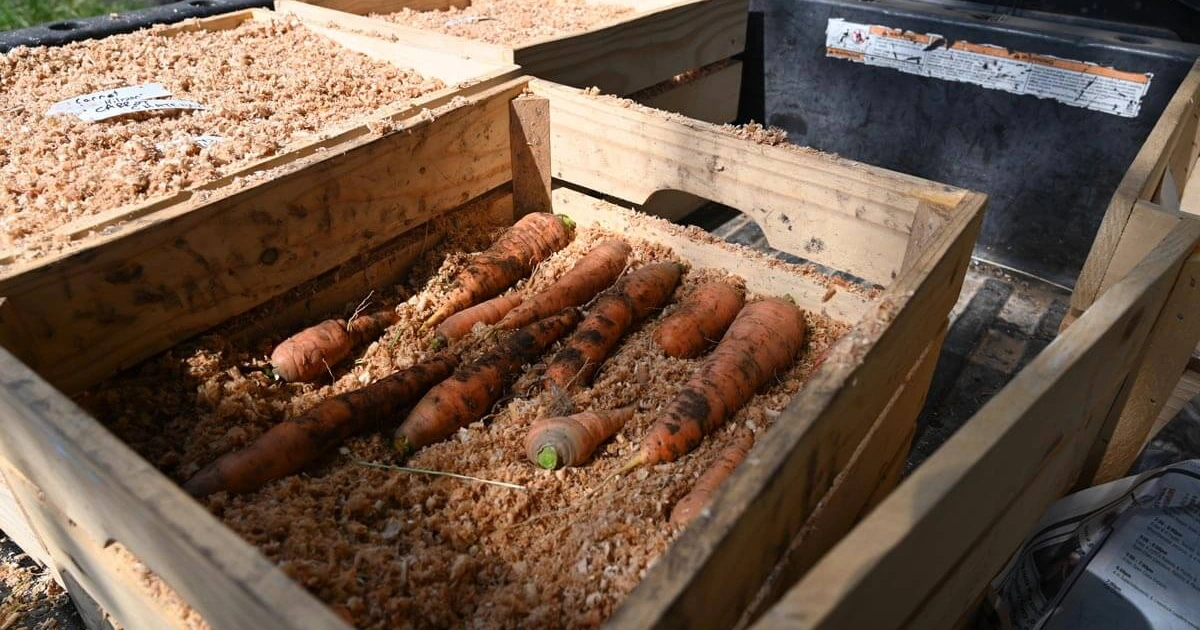
For generations, gardeners and homesteaders have searched for reliable ways to store harvested vegetables without relying on electricity. One traditional solution is the root cellar, but not everyone has the space, budget, or conditions to build one underground.
An above-ground produce storage system can offer a practical alternative in regions with cool autumn and winter temperatures. By combining natural insulation materials such as straw with proper ventilation and moisture management, gardeners can extend the storage life of many root vegetables while reducing energy use.
Primary Keyword: vegetable storage
Why Proper Vegetable Storage Matters
After months of growing food, proper storage helps preserve both quality and nutrition.
Effective vegetable storage can:
- Reduce food waste
- Extend harvest availability
- Save money
- Minimize reliance on refrigeration
- Support self-sufficiency
Many root crops naturally store well when kept under the right conditions.
Understanding Traditional Root Storage
Before modern refrigeration, people commonly stored vegetables in:
- Root cellars
- Earth pits
- Cool basements
- Insulated sheds
- Straw-covered storage mounds
These methods relied on natural temperature stability rather than mechanical cooling.
Key Storage Requirements
Most root vegetables store best when provided with:
- Cool temperatures
- High humidity
- Darkness
- Good airflow
- Protection from freezing
Maintaining these conditions helps slow sprouting, dehydration, and spoilage.
What Is an Above-Ground Vegetable Storage System?
An above-ground storage structure uses insulating materials to help moderate temperature fluctuations around stored produce.
Common materials include:
- Straw bales
- Wooden pallets
- Wood framing
- Insulating blankets
- Weather-resistant covers
The goal is to create a protected environment that remains cooler and more stable than outdoor conditions.
Benefits of Natural Vegetable Storage
Reduced Energy Consumption
Natural storage systems require little or no electricity.
This makes them attractive for:
- Homesteads
- Off-grid properties
- Sustainable gardening projects
Extended Harvest Preservation
Many root vegetables can remain usable for months when stored properly.
Low Construction Cost
Many gardeners can build simple storage structures using readily available materials.
Seasonal Food Security
Proper storage allows harvested crops to remain available well beyond the growing season.
Vegetables That Store Well
Certain crops are naturally suited for long-term vegetable storage.
Potatoes
Potatoes generally prefer:
- Cool temperatures
- Darkness
- Good airflow
Exposure to light can cause greening and quality loss.
Carrots
Carrots often store well when kept:
- Cool
- Slightly humid
- Protected from drying
Beets
Beets are known for their excellent storage potential and can remain usable for several months under suitable conditions.
Parsnips
Many gardeners report that parsnips develop a sweeter flavor during extended cool storage.
Turnips and Rutabagas
These traditional storage crops have been valued for centuries because of their durability.
Factors That Affect Storage Success
Temperature
Most root crops prefer cool conditions.
Extremely warm temperatures may accelerate:
- Sprouting
- Moisture loss
- Decay
Extremely cold temperatures can cause freezing damage.
Humidity
Root vegetables often store best in moderately humid conditions.
Too little humidity can cause shriveling, while excessive moisture may encourage rot.
Ventilation
Good airflow helps reduce moisture buildup and supports consistent storage conditions.
Clean Produce
Only healthy vegetables should be placed into long-term storage.
Remove produce showing signs of:
- Disease
- Soft spots
- Mold
- Mechanical damage
Common Vegetable Storage Mistakes
Storing Damaged Produce
A single spoiled vegetable can sometimes affect neighboring crops.
Ignoring Airflow
Poor ventilation may increase humidity and encourage decay.
Allowing Light Exposure
Potatoes, in particular, benefit from dark storage conditions.
Mixing Incompatible Crops
Some fruits release ethylene gas, which can accelerate spoilage or sprouting in nearby vegetables.
For this reason, many gardeners separate root vegetables from fruits during storage.
Sustainable Gardening Benefits
Natural storage systems align well with sustainable gardening practices.
Advantages include:
- Lower energy use
- Reduced food waste
- Greater harvest utilization
- Improved seasonal resilience
Combined with careful crop planning, proper storage helps maximize the value of a productive garden.
Frequently Asked Questions
What vegetables store the longest?
Potatoes, carrots, beets, parsnips, rutabagas, and turnips are among the most reliable long-term storage crops.
Do vegetables need refrigeration for long-term storage?
Not always. Many root vegetables can store successfully in cool, dark, humid environments without refrigeration.
Why should potatoes be kept in the dark?
Light exposure can trigger chlorophyll production and lead to green coloration, which is undesirable for storage potatoes.
How can I reduce food waste after harvest?
Proper vegetable storage, regular inspection, and separating damaged produce can significantly reduce losses.
What is the difference between a root cellar and above-ground storage?
A root cellar is usually built underground to take advantage of naturally stable temperatures, while above-ground systems rely on insulation and environmental conditions for temperature moderation.
Conclusion
Effective vegetable storage allows gardeners to enjoy the rewards of their harvest long after the growing season ends. Whether using a traditional root cellar or a simple insulated above-ground system, the principles remain the same: cool temperatures, proper humidity, darkness, and good airflow.
By understanding the storage needs of different crops and creating suitable conditions, gardeners can reduce waste, improve food security, and make the most of every harvest. Natural storage methods continue to offer a practical and sustainable solution for preserving homegrown produce throughout the colder months.
Suggested Internal Links for SecretsoftheGreenGarden.com
Consider linking to:
- Best Root Vegetables for Long-Term Storage
- How to Harvest Potatoes for Maximum Shelf Life
- Creating a Self-Sufficient Backyard Food Garden
Suggested External Resources
For reliable information on food preservation and crop storage, consider referencing:
- USDA Food Storage and Preservation Resources
- University of Minnesota Extension Harvest Storage Guides
- Cornell Cooperative Extension Vegetable Storage Information
Related Keywords: root cellar alternative, harvest preservation, root vegetable storage, food storage methods, homestead gardening, sustainable food storage, winter vegetable storage, self-sufficiency gardening, preserving garden harvests.