
Introduction
When most people think about a beautiful garden, they picture colorful flowers, elegant shrubs, or neatly arranged borders. Sight tends to dominate garden design. But some of the most memorable gardens are appreciated just as much through fragrance, texture, sound, taste, and even movement as they are through their appearance.
This is the idea behind a sensory garden.
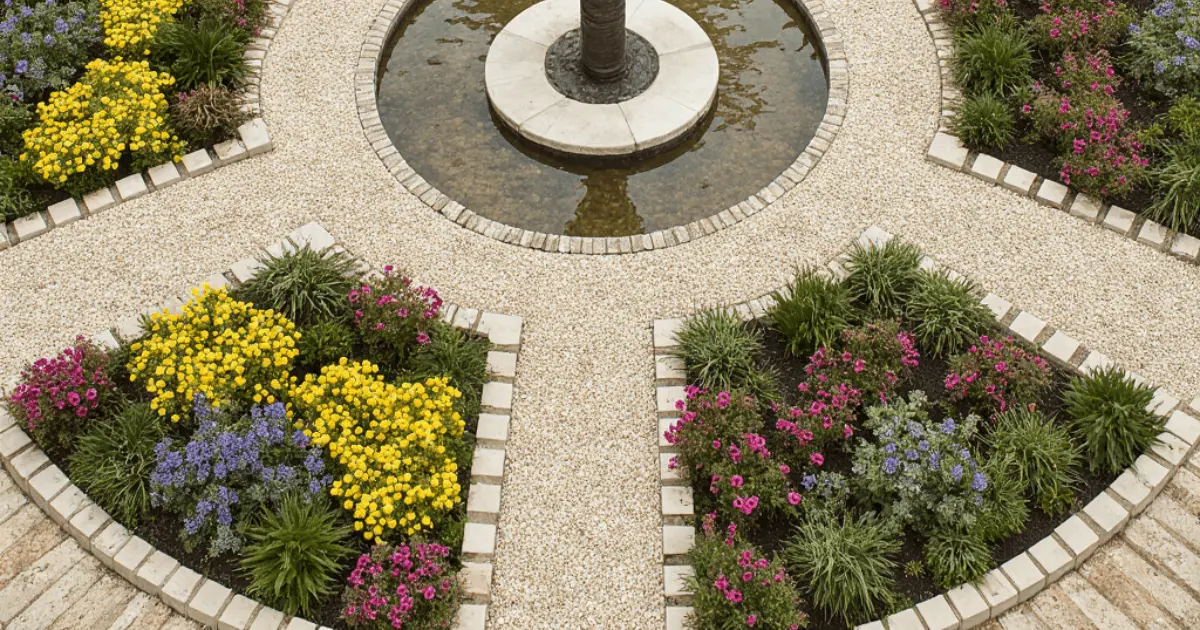
Although sensory gardens are often associated with hospitals, schools, and therapeutic landscapes, the concept is far broader. A sensory garden is simply a space intentionally designed to engage the senses. It invites people to touch soft foliage, listen to rustling grasses, smell fragrant herbs, taste edible plants, and notice the changing textures and sounds that make a garden feel alive.
Whether you have a spacious backyard, a compact courtyard, or a small balcony, incorporating sensory elements can transform an ordinary planting scheme into a richer and more immersive experience.
What Is a Sensory Garden?
A sensory garden is a landscape designed to stimulate one or more of the five senses:
- Sight
- Smell
- Touch
- Sound
- Taste
Unlike traditional ornamental gardens, where visual appeal is often the primary goal, sensory gardens encourage interaction.
Visitors are invited to:
- Touch leaves.
- Smell flowers.
- Listen to water.
- Taste herbs.
- Observe seasonal changes.
The result is a garden that feels engaging throughout the year rather than simply looking attractive.
Why Sensory Gardens Matter
Our experience of nature extends far beyond what we see.
The scent of lavender on a warm afternoon, the sound of bamboo moving in the wind, or the texture of lamb’s ear leaves can become lasting memories.
Research has shown that spending time in green spaces can support mental well-being, reduce stress, and encourage relaxation. While individual responses vary, gardens designed to encourage exploration often help people slow down and become more aware of their surroundings.
A sensory garden does not need to be elaborate to create these experiences.
Designing for Sight
Visual interest remains an important part of any garden.
A sensory garden should offer changing colors, forms, and seasonal highlights.
Consider including:
- Flowering perennials.
- Ornamental grasses.
- Evergreen shrubs.
- Colorful foliage plants.
- Seasonal bulbs.
- Climbing vines.
Aim for variety in:
- Height.
- Texture.
- Shape.
- Color.
Plants that provide year-round structure help maintain visual appeal even in winter.
Designing for Smell
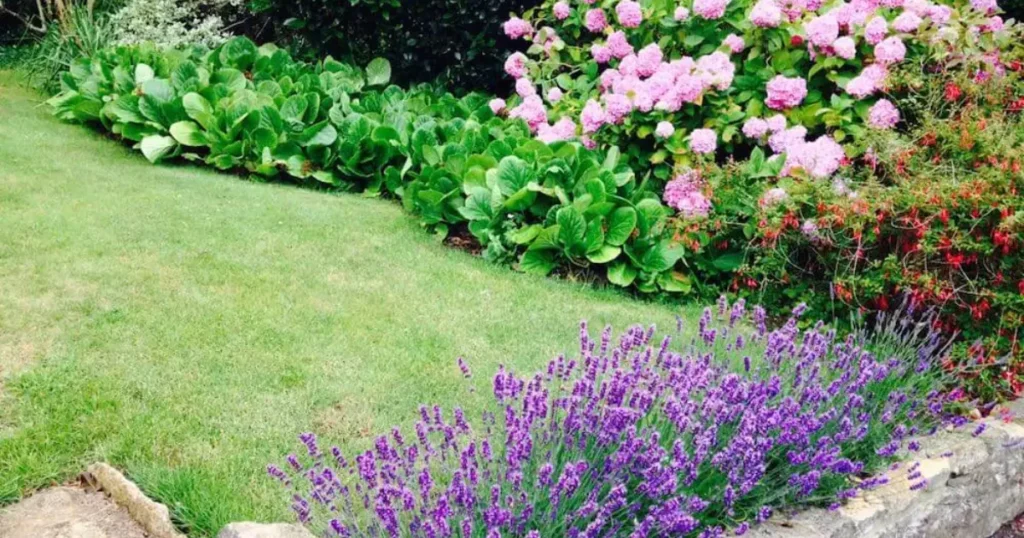
Fragrance often creates the strongest emotional connection to a garden.
Highly scented plants include:
- Lavender.
- Rosemary.
- Jasmine.
- Sweet peas.
- Roses.
- Honeysuckle.
- Garden phlox.
- Dianthus.
- Mock orange.
Place fragrant plants near:
- Seating areas.
- Entrances.
- Pathways.
- Windows.
Warm afternoon sun often intensifies floral fragrance.
Designing for Touch
Texture adds another dimension to the landscape.
Invite visitors to gently touch plants with distinctive surfaces.
Examples include:
- Lamb’s ear.
- Velvet sage.
- Ornamental grasses.
- Moss.
- Ferns.
- Sedums.
- Succulents.
Combine:
- Soft foliage.
- Smooth leaves.
- Rough bark.
- Feathery grasses.
- Interesting seed heads.
Hard landscaping also contributes texture through stone, wood, gravel, and brick.
Designing for Sound
Gardens produce countless natural sounds.
Wind, wildlife, and water all contribute.
Plants that create pleasant movement include:
- Miscanthus.
- Feather reed grass.
- Bamboo (where suitable).
- Birch trees.
- Aspen.
Additional sound features include:
- Bird feeders.
- Bird baths.
- Water fountains.
- Small ponds.
- Wind chimes used sparingly.
Even leaves rustling in a light breeze add another sensory layer.
Designing for Taste
Edible plants make gardens interactive.
Easy options include:
- Basil.
- Mint.
- Thyme.
- Chives.
- Strawberries.
- Blueberries.
- Cherry tomatoes.
- Nasturtium flowers.
Always ensure edible plants are clearly identified and grown without unsuitable chemical treatments if they will be harvested.
Seasonal Interest
A successful sensory garden changes throughout the year.
Spring
- Bulbs emerge.
- Blossoms appear.
- Fresh fragrances develop.
- Birds become more active.
Summer
- Flowers peak.
- Herbs release aromatic oils.
- Pollinators become abundant.
- Water features provide cooling sounds.
Autumn
- Seed heads develop.
- Leaves change color.
- Ornamental grasses reach maturity.
- Fruits ripen.
Winter
- Bark textures become visible.
- Evergreen plants provide structure.
- Frost adds visual interest.
- Dry grasses create movement and sound.
Creating Comfortable Spaces
People experience sensory gardens best when they can pause.
Include places to sit and observe.
Options include:
- Benches.
- Pergolas.
- Small patios.
- Garden swings.
- Shaded seating beneath trees.
Comfort encourages longer visits and deeper engagement with the surroundings.
Choosing Safe Plants
If children or pets regularly use the garden, research plant safety before planting.
Avoid highly toxic species in frequently accessed areas.
Also consider:
- Thorny plants.
- Highly allergenic species.
- Plants with irritating sap.
Safety allows visitors to explore confidently.
Supporting Wildlife
Wildlife naturally enriches sensory experiences.
Encourage biodiversity by including:
- Native flowering plants.
- Nectar-rich species.
- Berry-producing shrubs.
- Bird baths.
- Bee-friendly flowers.
- Butterfly host plants.
The movement and sounds of birds, bees, and butterflies make the garden feel dynamic throughout the growing season.
Sensory Gardens in Small Spaces
Even a balcony can become a sensory garden.
Combine:
- Fragrant herbs.
- Colorful containers.
- Wind-moving grasses.
- Compact flowering plants.
- Small water features.
- Comfortable seating.
Thoughtful design matters far more than size.
Pathways and Accessibility
Paths influence how people experience a garden.
Smooth, accessible walkways encourage relaxed exploration.
Materials may include:
- Brick.
- Natural stone.
- Pavers.
- Compact gravel.
- Timber decking.
Wide paths improve accessibility for wheelchairs, strollers, and mobility aids where appropriate.
Practical Tips
- Include plants that appeal to multiple senses.
- Place fragrant plants near seating areas.
- Add movement with ornamental grasses.
- Include edible herbs for tasting.
- Provide comfortable places to pause.
- Use mulch to suppress weeds and retain soil moisture.
- Refresh sensory interest throughout every season.
Common Mistakes
Focusing Only on Flowers
Texture, fragrance, and sound are equally important.
Overcrowding Plants
Proper spacing improves plant health and allows visitors to appreciate individual specimens.
Ignoring Seasonal Changes
A garden should remain interesting beyond spring flowering.
Forgetting Seating
People experience gardens more fully when they have places to stop and relax.
Using Too Many Strong Fragrances Together
A few carefully chosen scented plants often create a more pleasant experience than overwhelming combinations.
Frequently Asked Questions
What is the purpose of a sensory garden?
A sensory garden is designed to engage multiple senses through plants, textures, sounds, fragrances, edible species, and seasonal changes.
Do sensory gardens need to be large?
No. Even a small patio or balcony can include fragrant plants, textured foliage, herbs, and containers that stimulate several senses.
Which plants are best for fragrance?
Lavender, jasmine, roses, rosemary, honeysuckle, and sweet peas are among the most popular fragrant garden plants.
Can vegetables be part of a sensory garden?
Yes. Herbs, strawberries, tomatoes, blueberries, and edible flowers add both taste and fragrance while increasing the garden’s usefulness.
Are sensory gardens only for therapeutic settings?
No. Although frequently used in hospitals, schools, and care facilities, sensory gardens are equally suitable for private homes and community gardens.
Conclusion
A sensory garden reminds us that the best gardens are experienced with more than our eyes. The scent of herbs after rain, the soft texture of lamb’s ear, the sound of ornamental grasses in the breeze, the taste of a freshly picked strawberry, and the changing colors of the seasons all contribute to a richer relationship with the landscape.
Whether you’re designing an expansive backyard or a modest balcony, incorporating sensory elements creates a garden that invites participation rather than passive observation. It becomes a place to slow down, explore, and reconnect with nature through every season.
In the end, a sensory garden isn’t defined by its size or budget. It’s defined by intention. By thoughtfully engaging all five senses, even the simplest outdoor space can become one that people don’t just admire—they truly experience.
Internal Linking
Create beautiful shaded areas with plants that thrive in low light:
https://secretsofthegreengarden.com/best-shade-garden-plants/
Add structure and fragrance with a flowering wisteria tunnel:
https://secretsofthegreengarden.com/wisteria-tunnel-guide/
Refresh your outdoor space with painted terracotta planters:
https://secretsofthegreengarden.com/diy-painted-terracotta-pots/
Build an efficient gardening workspace for maintaining your landscape:
https://secretsofthegreengarden.com/potting-bench-guide/
Recommended External Sources
- Royal Horticultural Society (RHS): https://www.rhs.org.uk
- Missouri Botanical Garden: https://www.missouribotanicalgarden.org
- American Horticultural Society: https://ahsgardening.org