
Introduction
Long before weather satellites, radar systems, and smartphone forecasts, people relied on the natural world to anticipate changes in the weather. Farmers, shepherds, sailors, and gardeners carefully observed the behavior of plants and animals, discovering patterns that often signaled approaching rain or fair skies.
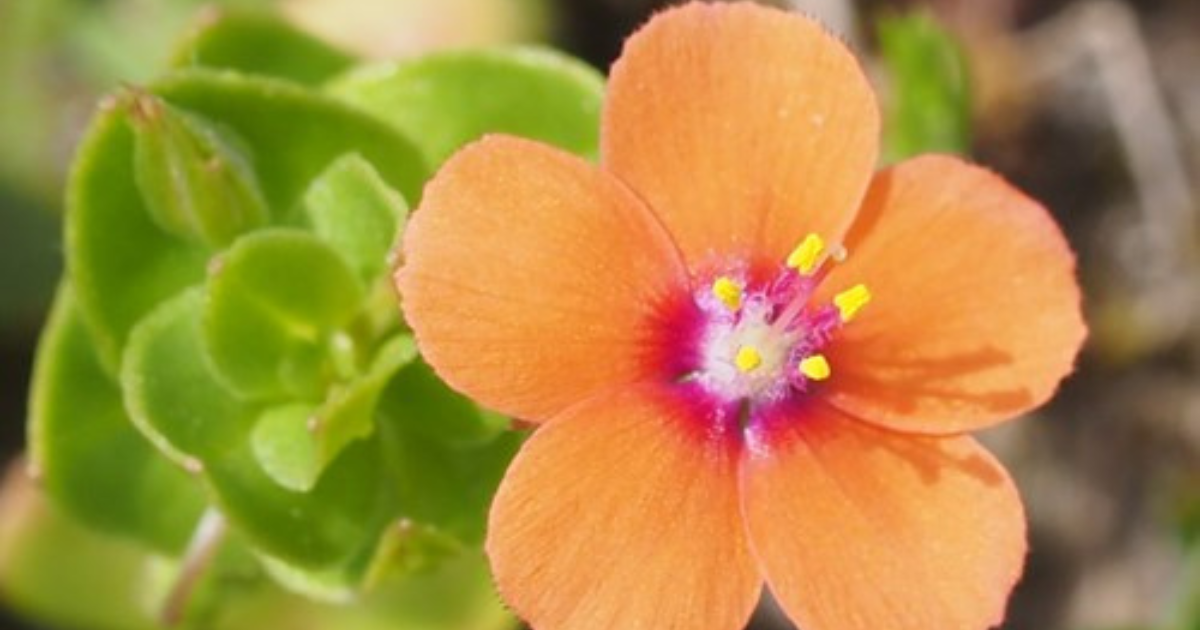
Among the most famous of these natural weather indicators is the scarlet pimpernel (Lysimachia arvensis, formerly Anagallis arvensis). This small wildflower has fascinated observers for centuries because of its habit of opening its bright orange-red flowers in sunny conditions and closing them when humidity rises or light levels fall.
Its reliable behavior earned it the nickname “Poor Man’s Weather Glass,” making it one of history’s best-known examples of a plant responding to environmental changes. Although it cannot actually predict the future, its remarkable sensitivity to light and moisture has made it a valuable natural indicator for generations.
What Is the Scarlet Pimpernel?
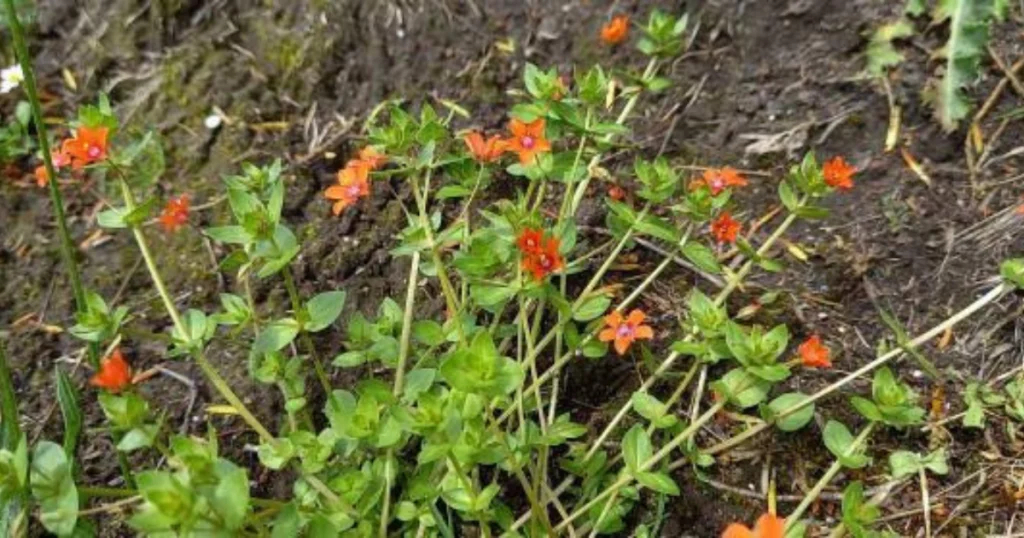
The scarlet pimpernel is a low-growing annual flowering plant native to Europe, North Africa, and parts of western Asia. Today it has spread to many temperate regions around the world, including North America, where it commonly grows in fields, gardens, roadsides, and cultivated land.
The plant produces delicate five-petaled flowers that are usually bright orange-red, although blue and pink forms also occur naturally in some regions.
Despite their vivid color, the flowers are surprisingly small, often measuring less than half an inch (about 1 centimeter) across. They typically bloom from spring through early autumn whenever growing conditions are favorable.
Why Was It Called the “Poor Man’s Weather Glass”?
Before modern weather forecasting, expensive scientific instruments were unavailable to most people.
Instead, country communities relied on careful observation of nature.
The scarlet pimpernel became famous because its flowers often followed a consistent daily pattern:
- Flowers opened in bright sunshine.
- Flowers closed during cloudy weather.
- Flowers frequently closed before rainfall.
- Flowers also closed during periods of high humidity or low light.
Because this behavior often occurred before rain arrived, people began referring to the plant as the “Poor Man’s Weather Glass,” suggesting it functioned as a natural weather indicator that anyone could observe without specialized equipment.
Does the Scarlet Pimpernel Really Predict Rain?
Not exactly.
The plant does not detect future weather events. Instead, it responds to environmental conditions that frequently occur before rainfall.
These include:
- Increased humidity
- Reduced sunlight
- Changes in air moisture
- Overcast skies
Since these conditions often develop several hours before rain begins, observers may believe the plant is predicting the weather when it is actually responding to present environmental changes.
This distinction is important because the flowers may also remain closed on cool, heavily overcast days even if rain never falls.
How Do the Flowers Open and Close?
Like many flowering plants, the scarlet pimpernel exhibits a movement known as nyctinasty, a natural response to daily environmental changes.
Specialized cells at the base of the flower petals change their internal water pressure in response to light intensity and humidity.
As these cells gain or lose water, the petals either spread open or fold closed.
This movement protects the plant’s pollen from moisture that could reduce successful pollination.
By remaining closed during wet conditions, the flower helps preserve pollen until visiting insects can return during more favorable weather.
Why Protecting Pollen Matters
Successful reproduction depends on healthy, dry pollen reaching another flower.
Rain can:
- Wash pollen away.
- Cause pollen grains to burst.
- Reduce visits from pollinating insects.
- Lower fertilization success.
Closing the flowers during unfavorable weather helps maximize the plant’s chances of producing seeds.
Rather than predicting rain, the scarlet pimpernel simply follows an effective survival strategy developed through evolution.
Where Does Scarlet Pimpernel Grow?
Scarlet pimpernel thrives in sunny, open habitats with well-drained soil.
Common locations include:
- Agricultural fields
- Vegetable gardens
- Meadows
- Road verges
- Waste ground
- Coastal grasslands
- Vineyards
It is often considered a wildflower rather than a cultivated ornamental, although some gardeners appreciate its bright blooms and natural appearance.
Is Scarlet Pimpernel Good for Pollinators?
Yes.
When its flowers are open, scarlet pimpernel attracts a variety of small pollinating insects, including:
- Solitary bees
- Hoverflies
- Small beetles
- Tiny native bees
Although it is not among the most important nectar plants, it contributes to local biodiversity by providing food resources during its flowering season.
Why Gardeners Find It Interesting
Many gardeners enjoy observing scarlet pimpernel because it offers a fascinating example of plant behavior.
Watching flowers open with the morning sun and close as conditions change reminds us that plants are far more dynamic than they often appear.
Its behavior also encourages closer observation of weather patterns, humidity, and daily environmental changes within the garden.
Can You Use It to Forecast the Weather Today?
Modern weather forecasts are far more accurate than relying on flowering plants alone.
However, scarlet pimpernel remains an interesting natural indicator.
If you notice its flowers closing unusually early while skies remain clear, rising humidity or increasing cloud cover may already be influencing the plant.
Rather than replacing weather forecasts, it serves as a reminder that plants constantly monitor their environment in ways humans rarely notice.
A Plant with a Rich Cultural History
For centuries, scarlet pimpernel appeared in gardening books, farming traditions, and rural folklore.
Long before meteorological instruments became common, people passed down practical knowledge about plants whose behavior reflected changing weather conditions.
The flower’s famous nickname survives today because it captures an important part of agricultural history, when close observation of nature played a vital role in everyday life.
Practical Tips
- Observe scarlet pimpernel flowers on both sunny and cloudy days.
- Compare flower opening times with local humidity and weather forecasts.
- Grow the plant in a sunny location with well-drained soil.
- Photograph the flowers throughout the day to observe their movement.
- Encourage pollinators by reducing unnecessary pesticide use.
Common Mistakes
Believing the Plant Predicts the Future
Scarlet pimpernel responds to current environmental conditions rather than forecasting future weather.
Expecting Flowers to Stay Open All Day
Flower opening naturally changes with sunlight, humidity, and time of day.
Assuming Closed Flowers Always Mean Rain
Flowers may remain closed because of heavy cloud cover, cool temperatures, or high humidity even when rain never arrives.
Removing It Without Identification
Although sometimes considered a weed in cultivated fields, scarlet pimpernel is an interesting native or naturalized wildflower that supports biodiversity in many habitats.
Frequently Asked Questions
Why is scarlet pimpernel called the “Poor Man’s Weather Glass”?
Its flowers often close before rainfall or during humid, cloudy weather, leading people to use it as a natural weather indicator long before modern forecasting.
Does scarlet pimpernel actually predict rain?
No. The flowers respond to changes in humidity and light that commonly occur before rain but do not predict future weather.
Why do the flowers close?
Closing protects pollen from moisture and helps improve successful pollination when weather conditions become favorable again.
Is scarlet pimpernel beneficial to wildlife?
Yes. Its flowers provide nectar and pollen for several species of small pollinating insects.
Can I grow scarlet pimpernel in my garden?
Yes. It grows best in sunny locations with well-drained soil and is often appreciated as a colorful wildflower.
Conclusion
The scarlet pimpernel demonstrates how closely plants are connected to their environment. Its ability to open and close flowers in response to light and humidity has fascinated people for centuries, earning it the memorable nickname “Poor Man’s Weather Glass.”
Although it cannot truly forecast rain, its behavior illustrates the remarkable adaptations plants have evolved to protect their pollen and improve reproductive success. Today, it remains both a charming wildflower and a living reminder that careful observation of nature once formed the foundation of weather prediction.
For gardeners and nature enthusiasts alike, the scarlet pimpernel offers another reason to slow down, observe the natural world, and appreciate the subtle ways plants respond to the changing environment.
Internal Linking
Learn how weather affects vegetable growth:
https://secretsofthegreengarden.com/summer-tomato-pruning-essential-cuts-for-healthier-plants-and-bigger-harvests/
Discover another fascinating natural phenomenon:
https://secretsofthegreengarden.com/why-periodical-cicadas-emerge-every-13-or-17-years/
Protect your garden naturally from unwanted insects:
https://secretsofthegreengarden.com/homemade-insect-repellent-that-actually-works/
Recommended External Sources
- Royal Horticultural Society (RHS): https://www.rhs.org.uk
- Missouri Botanical Garden: https://www.missouribotanicalgarden.org
- Kew Science – Royal Botanic Gardens, Kew: https://www.kew.org/science