
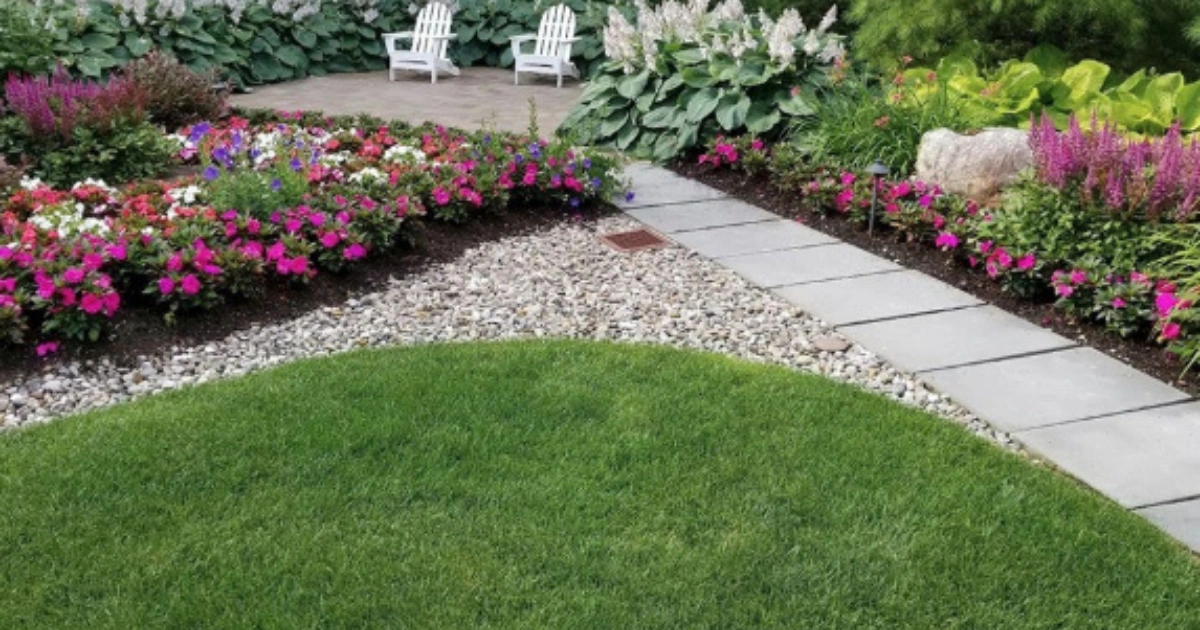
For decades, perfectly trimmed shrubs and highly manicured landscapes have been considered the standard of attractive garden design. However, a growing number of gardeners, ecologists, and landscape professionals are discovering that natural plant communities often provide greater ecological value, improved resilience, and lower maintenance requirements.
While formal shrub plantings can create a neat appearance, diverse native plant ecosystems frequently support more wildlife, require fewer inputs, and adapt better to environmental challenges. Understanding the differences between these two approaches can help homeowners make informed decisions about the future of their landscapes.
Primary Keyword: native plant garden
The Difference Between Decoration and Ecosystem Gardening
Traditional landscaping often focuses primarily on appearance.
Characteristics typically include:
- Tightly clipped shrubs
- Uniform plantings
- Non-native ornamental species
- Large areas of mulch or lawn
- Frequent pruning and maintenance
By contrast, a native plant garden emphasizes ecological function alongside beauty.
These landscapes often contain:
- Diverse native plants
- Layered vegetation
- Flowering species
- Berry-producing shrubs
- Habitat for wildlife
- Natural plant relationships
The goal is not simply to decorate a space but to create a functioning ecosystem.
Why Monoculture Plantings Face More Challenges
A monoculture occurs when a landscape relies heavily on one plant species.
Increased Pest Vulnerability
When large numbers of identical plants are grouped together, pests can spread more easily.
Examples include:
- Insect infestations
- Fungal diseases
- Leaf blights
- Root diseases
Because every plant provides the same food source, pests often encounter few natural barriers.
Reduced Ecological Value
Many ornamental species provide limited resources for local wildlife.
As a result, these landscapes may support fewer:
- Native bees
- Butterflies
- Caterpillars
- Songbirds
- Beneficial insects
While visually appealing, they often contribute little to broader ecosystem health.
The Power of Native Plant Diversity
One of the greatest strengths of a native plant garden is diversity.
Multiple Layers of Habitat
Native landscapes often include:
- Groundcovers
- Wildflowers
- Grasses
- Shrubs
- Trees
This layered structure creates shelter and food sources for a wide range of species.
Natural Pest Resistance
Diverse plant communities can help reduce pest outbreaks because:
- Predatory insects are supported
- Pest populations are naturally balanced
- Diseases spread less easily between unrelated plants
A healthy ecosystem often regulates itself more effectively than a monoculture.
Supporting Pollinators
Pollinators play a critical role in food production and ecosystem health.
A native plant garden can attract:
- Native bees
- Butterflies
- Moths
- Hoverflies
- Beetles
Many native insects have evolved alongside specific native plants and depend on them for survival.
Without these plant relationships, pollinator populations may decline.
Why Birds Benefit From Native Landscapes
Birds require more than seeds and berries.
Many species rely heavily on insects to feed their young.
Native plant communities often support:
- Caterpillars
- Beetles
- Larvae
- Other insects
These insects become essential food sources for nesting birds.
Research has shown that landscapes rich in native plants generally support greater bird diversity than heavily ornamental landscapes.
The Hidden Value Below Ground
The benefits of a native plant garden extend beneath the soil surface.
Deep Root Systems
Many native species develop extensive root networks that:
- Improve soil structure
- Reduce erosion
- Increase water infiltration
- Enhance drought resilience
Healthier Soil Ecology
Native roots support:
- Beneficial fungi
- Soil microorganisms
- Earthworms
- Nutrient cycling
Healthy soil becomes more productive and resilient over time.
Lower Maintenance Over the Long Term
Many gardeners assume natural landscapes require more work.
In reality, established native plantings often require less maintenance than traditional ornamental gardens.
Reduced Water Use
Many native species are adapted to local climate conditions and may require less supplemental irrigation once established.
Fewer Chemical Inputs
A diverse ecosystem can reduce reliance on:
- Pesticides
- Herbicides
- Fungicides
Less Frequent Pruning
Unlike tightly clipped ornamental shrubs, native plants often maintain attractive forms with minimal intervention.
Weed Suppression Through Plant Density
One advantage of mature native plant communities is their ability to naturally suppress weeds.
Dense plantings can:
- Shade the soil
- Reduce weed germination
- Compete effectively for resources
This often decreases the need for manual weeding or chemical controls.
Balancing Beauty and Ecology
Some homeowners worry that native landscapes appear untidy.
However, modern ecological design demonstrates that beauty and biodiversity can coexist.
Effective native gardens often incorporate:
- Defined pathways
- Structured planting zones
- Seasonal blooms
- Attractive foliage textures
- Intentional design elements
A well-planned native landscape can be both visually appealing and environmentally beneficial.
Common Native Plants That Support Wildlife
The best species vary by region, but many native gardens include:
Flowering Plants
- Coneflowers
- Black-eyed Susans
- Asters
- Goldenrods
- Bee balm
Native Shrubs
- Viburnums
- Serviceberries
- Elderberries
- Native blueberries
Native Grasses
- Little bluestem
- Switchgrass
- Prairie dropseed
These plants often provide food, shelter, and nesting habitat throughout the year.
Frequently Asked Questions
What is a native plant garden?
A native plant garden uses species that naturally occur in a region and have evolved alongside local wildlife and environmental conditions.
Do native gardens attract more wildlife?
Yes. Native plant communities generally support more pollinators, insects, birds, and other wildlife than landscapes dominated by non-native ornamentals.
Are native gardens easier to maintain?
Once established, many native gardens require less watering, fertilizing, and pest management than conventional landscapes.
Can native gardens still look organized?
Absolutely. Thoughtful design, defined borders, and strategic plant placement can create a polished appearance while maintaining ecological benefits.
Do native plants help pollinators?
Many native pollinators depend on native plants for nectar, pollen, and reproduction, making these gardens particularly valuable.
Conclusion
A native plant garden offers far more than visual appeal. By creating a diverse and functional ecosystem, homeowners can support pollinators, birds, beneficial insects, and healthy soils while often reducing maintenance demands.
Although formal ornamental landscapes may provide immediate structure and symmetry, native plant communities frequently deliver greater long-term resilience and ecological value. As interest in sustainable gardening continues to grow, many gardeners are discovering that the most beautiful landscapes are not necessarily the most controlled—they are the ones filled with life.
Suggested Internal Links for SecretsoftheGreenGarden.com
Consider linking to:
- How to Create a Pollinator-Friendly Backyard
- Native Plants That Attract Birds and Butterflies
- Why Wildflower Meadows Outperform Traditional Lawns
Suggested External Resources
For science-based information on native landscaping, consider referencing:
- National Wildlife Federation Native Plant Resources
- USDA Natural Resources Conservation Service Native Plant Guides
- Lady Bird Johnson Wildflower Center Plant Database
Related Keywords: native landscaping, pollinator garden, wildlife habitat garden, ecological gardening, sustainable landscaping, biodiversity gardening, native shrubs, garden ecosystem, low-maintenance native plants.