
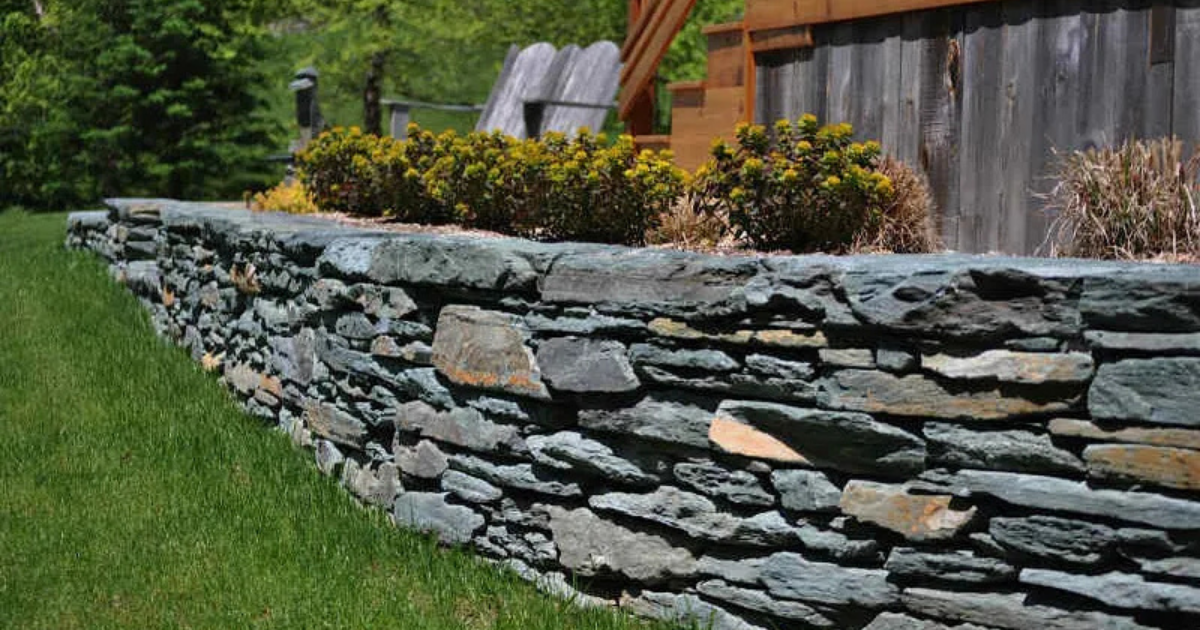
A well-built retaining wall does more than hold soil in place. When designed thoughtfully, it can become a living feature that supports biodiversity, improves drainage, reduces maintenance, and adds timeless beauty to the landscape. Among the many options available, dry-stack retaining walls stand out for their natural appearance, durability, and ecological benefits.
Unlike conventional masonry walls that rely on mortar, dry-stack walls use carefully placed stones that interlock through gravity and craftsmanship. This centuries-old technique creates structures that are both functional and environmentally beneficial.
Primary Keyword: dry-stack retaining walls
What Are Dry-Stack Retaining Walls?
Dry-stack retaining walls are built by stacking stones without mortar or concrete binding them together.
Instead, stability comes from:
- Proper stone placement
- Gravity
- Interlocking shapes
- Wall batter (slight backward lean)
- A solid foundation
This traditional building method has been used for thousands of years in landscapes around the world.
Today, dry-stack retaining walls remain popular because they blend naturally into gardens while providing excellent drainage and structural support.
Why Dry-Stack Walls Are Different
Many retaining walls are built as solid barriers.
Dry-stack walls function differently.
Small spaces between stones allow:
- Water movement
- Air circulation
- Root penetration
- Wildlife shelter
These characteristics help the wall become part of the surrounding ecosystem rather than a purely decorative structure.
The Importance of Proper Drainage
One of the biggest causes of retaining wall failure is water pressure.
Hydrostatic Pressure
When water becomes trapped behind a wall, it creates hydrostatic pressure.
This pressure can:
- Push walls outward
- Cause cracking
- Lead to structural failure
- Accelerate erosion
Natural Drainage Advantage
Because dry-stack retaining walls contain small gaps, water can naturally drain through the structure.
Benefits include:
- Reduced pressure buildup
- Improved stability
- Lower maintenance
- Better long-term performance
In many situations, this natural drainage is one of the wall’s greatest advantages.
Choosing the Right Stone
Natural stone creates the most authentic appearance.
Common choices include:
Fieldstone
Fieldstone offers:
- Irregular shapes
- Natural textures
- Excellent character
Limestone
Limestone is valued for:
- Consistent appearance
- Ease of shaping
- Attractive color tones
Sandstone
Sandstone provides:
- Warm colors
- Natural weathering
- Strong visual appeal
Whenever possible, locally sourced stone often blends best with regional landscapes.
Building a Strong Foundation
A retaining wall is only as strong as its base.
Foundation Basics
Most successful dry-stack retaining walls begin with:
- Excavation below grade
- Compacted gravel
- Level footing
- Proper drainage material
The lowest course of stones should be partially buried to improve stability.
Why Foundations Matter
A well-prepared base helps prevent:
- Settling
- Tilting
- Frost damage
- Structural movement
Investing time in foundation preparation usually results in decades of reliable performance.
Living Gaps: Nature’s Hidden Opportunity
One of the most attractive features of dry-stack retaining walls is the presence of small openings between stones.
These spaces can become miniature ecosystems.
Plants That Thrive in Stone Crevices
Many species naturally colonize wall gaps, including:
- Mosses
- Sedums
- Ferns
- Thyme
- Small native wildflowers
These plants soften the appearance of the wall and provide ecological value.
Reduced Maintenance
Once established, crevice plants often:
- Suppress weeds
- Stabilize soil
- Require little irrigation
This creates a more self-sustaining landscape feature.
Supporting Wildlife in the Garden
A dry-stack retaining wall can become valuable habitat for many species.
Shelter for Beneficial Insects
The small cavities provide refuge for:
- Native bees
- Ground beetles
- Predatory insects
- Pollinators
These beneficial species help support a balanced garden ecosystem.
Habitat for Reptiles and Amphibians
In suitable regions, stone walls may offer shelter for:
- Lizards
- Skinks
- Frogs
- Toads
The crevices provide protection from predators and extreme weather.
Winter Refuge
Many small animals use stone walls as overwintering sites, increasing biodiversity throughout the landscape.
Integrating Dry-Stack Walls Into Garden Design
These walls can serve multiple purposes.
Terrace Slopes
Retaining walls help transform steep ground into usable planting areas.
Define Garden Rooms
Walls can separate different landscape zones while maintaining a natural appearance.
Frame Pathways
Stone walls create structure and visual interest along garden paths.
Create Raised Planting Areas
Raised beds built with dry-stack techniques often improve drainage and accessibility.
Environmental Benefits of Dry-Stack Retaining Walls
Compared with some conventional hardscaping options, dry-stack walls may offer several ecological advantages.
Reduced Concrete Use
Because no mortar is required, fewer manufactured materials may be needed.
Improved Water Movement
Natural permeability supports groundwater infiltration and reduces runoff.
Enhanced Biodiversity
The wall itself becomes habitat rather than a barrier to wildlife.
Long Lifespan
Properly constructed stone walls can remain functional for generations.
Common Mistakes to Avoid
Even though dry-stack construction appears simple, several mistakes can reduce wall performance.
Poor Foundation Preparation
An unstable base often leads to movement over time.
Using Uniform Stones
A mix of sizes generally creates stronger interlocking structures.
Building Too Vertical
Most retaining walls benefit from a slight backward lean toward the slope.
Ignoring Drainage
Although dry-stack walls drain naturally, severe drainage problems behind the wall should still be addressed.
Frequently Asked Questions
What is a dry-stack retaining wall?
A dry-stack retaining wall is built from stones placed without mortar, relying on gravity and careful stone placement for stability.
How long do dry-stack retaining walls last?
When properly constructed, they can remain stable and functional for many decades or even centuries.
Do dry-stack walls require drainage pipes?
Many smaller walls rely primarily on natural drainage through the stone gaps, although larger projects may benefit from additional drainage systems.
Can plants grow in dry-stack walls?
Yes. Many mosses, ferns, sedums, and native plants thrive in the crevices between stones.
Are dry-stack retaining walls wildlife-friendly?
Absolutely. The spaces between stones provide shelter for beneficial insects, reptiles, amphibians, and other small wildlife.
Conclusion
Dry-stack retaining walls demonstrate that practical landscape features can also support ecological health. By combining natural stone, effective drainage, wildlife habitat, and timeless craftsmanship, these structures offer benefits that extend far beyond erosion control.
Whether used to terrace a slope, define a garden space, or create habitat for pollinators and beneficial wildlife, dry-stack retaining walls provide a durable and attractive solution that becomes more beautiful with age. In a world increasingly focused on sustainable landscaping, they remain one of the most elegant ways to blend structure and nature.
Suggested Internal Links for SecretsoftheGreenGarden.com
Consider linking to:
- How to Create a Wildlife-Friendly Backyard Habitat
- Native Plants That Thrive in Rock Gardens
- Why Garden Biodiversity Matters More Than Ever
Suggested External Resources
For reliable information on ecological landscaping and stone construction, consider referencing:
- USDA Natural Resources Conservation Service Conservation Landscaping Resources
- University of Minnesota Extension Landscaping and Hardscape Guides
- National Park Service Dry Stone Construction Resources
Related Keywords: stone retaining wall, dry stone wall, wildlife garden, ecological landscaping, garden drainage, sustainable hardscaping, rock garden design, biodiversity garden, natural stone landscaping.