
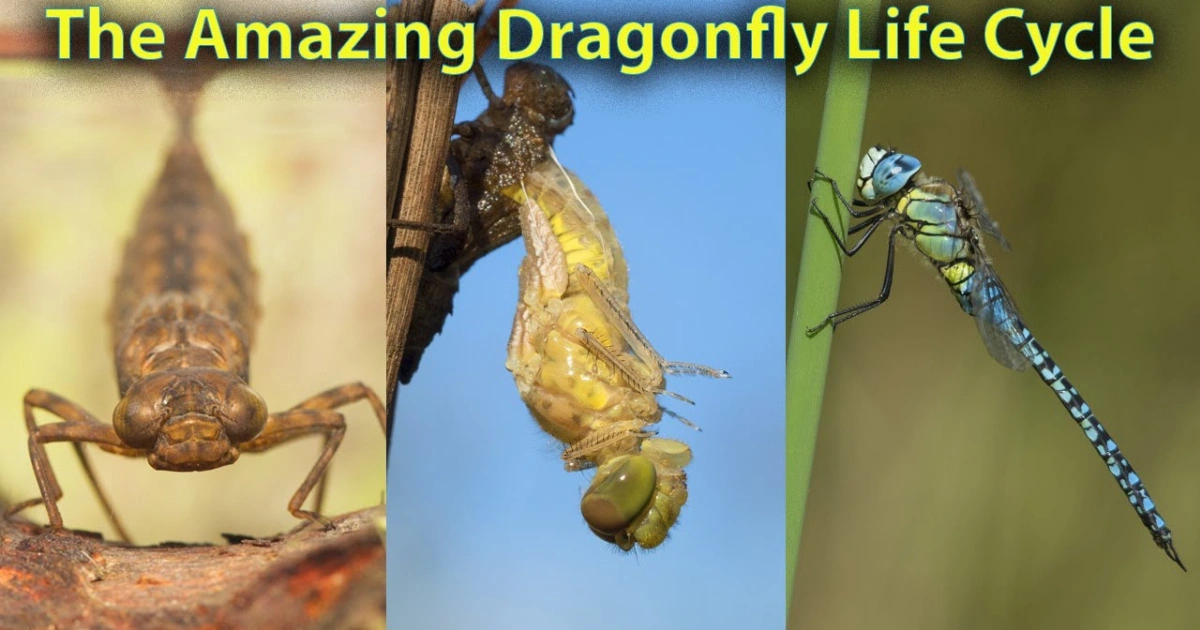
Dragonflies are among the most remarkable insects on Earth. Their dazzling colors, incredible flying abilities, and impressive hunting skills make them a favorite sight around ponds, lakes, and backyard gardens. What many people do not realize is that the dragonfly’s brief adult life represents only a small fraction of its journey.
Most dragonflies spend the majority of their lives hidden beneath the surface of the water. Depending on the species, they may live underwater as aquatic nymphs for several years before emerging for a few short months as winged adults.
Understanding the dragonfly life cycle reveals why these insects are considered some of nature’s most successful predators and why healthy freshwater habitats are essential for their survival.
Primary Keyword: dragonfly life cycle
Why Dragonflies Are Nature’s Elite Predators
Dragonflies have existed for more than 300 million years, surviving dramatic changes in climate, landscapes, and ecosystems.
Today they remain among the most efficient insect hunters on the planet.
Their success comes from:
- Exceptional eyesight
- Powerful flight muscles
- Fast reaction times
- Highly specialized hunting behaviors
Both juvenile and adult dragonflies are predators, making them unique among many insects.
Stage 1: Dragonfly Eggs
The dragonfly life cycle begins when females lay eggs in or near freshwater habitats.
Where Dragonflies Lay Eggs
Depending on the species, eggs may be deposited:
- On aquatic plants
- Beneath the water surface
- In wet mud
- Along pond edges
- On floating vegetation
Suitable water sources include:
- Ponds
- Lakes
- Slow-moving streams
- Wetlands
- Marshes
Egg Development
Most dragonfly eggs hatch within:
- 2 to 8 weeks
Environmental conditions such as water temperature and species type influence development time.
Stage 2: The Nymph Stage
The nymph stage is the longest and most important part of the dragonfly life cycle.
Life Underwater
After hatching, young dragonflies become aquatic nymphs, sometimes called naiads.
Unlike the graceful adults that fly above ponds, nymphs are fierce underwater predators.
They spend their days hunting:
- Mosquito larvae
- Small fish
- Tadpoles
- Aquatic insects
- Other invertebrates
How Long Do Dragonfly Nymphs Live?
Many species remain underwater for:
- 1 to 4 years
Some northern species may stay in this stage even longer due to colder temperatures and shorter growing seasons.
An Underwater Predator
Dragonfly nymphs possess a remarkable hunting adaptation.
They have an extendable lower jaw that can rapidly shoot forward to capture prey.
This specialized mouthpart allows them to ambush unsuspecting animals with remarkable speed and accuracy.
Growth Through Molting
As nymphs grow, they periodically shed their exoskeletons.
This process, called molting, allows them to increase in size while gradually developing adult structures.
During the nymph stage, a dragonfly may molt numerous times before reaching maturity.
Each molt brings it one step closer to life above the water.
Stage 3: Emergence
One of the most dramatic transformations in the insect world occurs during emergence.
Leaving the Water
When fully developed, the nymph climbs:
- Reed stems
- Aquatic vegetation
- Rocks
- Shoreline structures
Usually this process occurs during the early morning hours.
The Transformation
The nymph’s outer skin splits open, allowing the adult dragonfly to emerge.
At first, the new adult appears:
- Pale
- Soft-bodied
- Fragile
Its wings remain crumpled and unusable.
Wing Expansion
Over the next hour or two:
- Wings expand fully
- Body hardens
- Flight muscles develop strength
Once complete, the dragonfly is ready for its aerial life.
Stage 4: Adult Dragonfly
The adult stage is the most familiar part of the dragonfly life cycle.
A Master of Flight
Dragonflies are among the most skilled flying insects in the world.
They can:
- Hover in place
- Fly backward
- Accelerate rapidly
- Change direction instantly
- Reach speeds over 30 miles per hour
These abilities make them highly effective hunters.
Exceptional Vision
A dragonfly’s compound eyes contain thousands of individual lenses.
This provides:
- Near 360-degree vision
- Outstanding motion detection
- Precise prey tracking
Their eyesight is among the best found in insects.
What Do Adult Dragonflies Eat?
Adult dragonflies consume a wide range of flying insects.
Common prey includes:
- Mosquitoes
- Gnats
- Flies
- Midges
- Small moths
Their hunting success rate is estimated to exceed that of many large predators.
Some studies suggest dragonflies successfully capture prey in more than 90% of hunting attempts.
How Long Do Adult Dragonflies Live?
Despite spending years underwater, adult dragonflies usually live only:
- 2 to 4 months
During this time they focus on:
- Feeding
- Establishing territories
- Finding mates
- Reproducing
Once reproduction is complete, the cycle begins again.
Why Dragonflies Are Important for Gardens
Dragonflies provide valuable ecological services.
Natural Pest Control
They help reduce populations of:
- Mosquitoes
- Biting flies
- Small nuisance insects
This makes them beneficial visitors in many landscapes.
Indicators of Healthy Water
Dragonflies are sensitive to environmental conditions.
Their presence often indicates:
- Good water quality
- Healthy aquatic ecosystems
- Balanced biodiversity
Because their life cycle depends on clean freshwater habitats, they can serve as indicators of ecosystem health.
How to Attract Dragonflies to Your Garden
Creating suitable habitat can encourage dragonflies to visit.
Add Water Features
Dragonflies are attracted to:
- Wildlife ponds
- Water gardens
- Small backyard ponds
Plant Native Vegetation
Native aquatic and shoreline plants provide:
- Egg-laying sites
- Shelter
- Perching locations
Avoid Excessive Pesticides
Chemical treatments may harm both dragonflies and their aquatic young.
Reducing pesticide use helps support beneficial insect populations.
Maintain Natural Areas
Leaving portions of the landscape slightly wild can provide valuable habitat for many wildlife species.
Frequently Asked Questions
How long does the dragonfly life cycle last?
The complete dragonfly life cycle typically lasts between one and four years, depending on the species and environmental conditions.
Why do dragonflies spend so much time underwater?
Most growth and development occur during the aquatic nymph stage, where dragonflies feed and mature before emerging as adults.
What do dragonfly nymphs eat?
They consume mosquito larvae, aquatic insects, tadpoles, and other small aquatic animals.
Are dragonflies beneficial to gardens?
Yes. Dragonflies help control mosquito populations and other flying insects naturally.
Do dragonflies bite humans?
Dragonflies are generally harmless to people and rarely interact aggressively with humans.
Conclusion
The dragonfly life cycle is one of nature’s most remarkable transformations. While adults may spend only a few months soaring through summer skies, most of their lives are spent hidden beneath the water as powerful aquatic predators.
From tiny eggs and underwater nymphs to agile aerial hunters, dragonflies demonstrate extraordinary adaptation at every stage of development. Their presence not only adds beauty to gardens and wetlands but also contributes to healthier ecosystems through natural pest control and ecological balance.
Protecting freshwater habitats ensures that future generations can continue to witness the incredible journey of these ancient and fascinating insects.
Suggested Internal Links for SecretsoftheGreenGarden.com
Consider linking to:
- How to Create a Wildlife-Friendly Backyard Pond
- Why Dragonflies Are Beneficial for Natural Pest Control
- Pollinator-Friendly Plants That Support Garden Biodiversity
Suggested External Resources
For authoritative information, consider referencing:
- Smithsonian Environmental Research Center Freshwater Ecology Resources
- U.S. Geological Survey Freshwater Ecosystem Information
- University of Minnesota Extension Beneficial Insects Guide
Related Keywords: dragonfly nymph, aquatic insects, dragonfly habitat, freshwater ecosystems, beneficial insects, mosquito control, insect metamorphosis, wildlife gardening, pond ecology.