
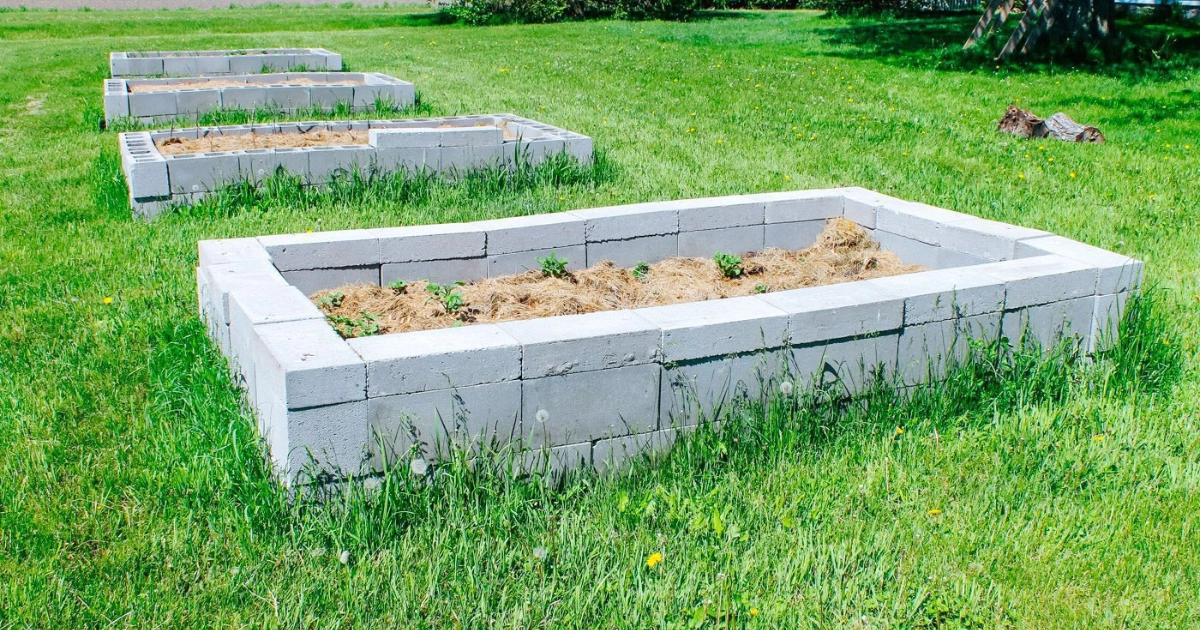
Raised garden beds have become one of the most practical ways to grow vegetables, herbs, and flowers at home. Among the many materials available, cinder blocks stand out for their durability, affordability, and versatility.
A cinder block raised bed can last for years with very little maintenance. The hollow openings in the blocks can even double as mini planting pockets for herbs and companion plants, making the structure both functional and space-efficient.
This guide explains how to build a cinder block raised garden bed step by step, including the best soil setup, plant choices, common mistakes to avoid, and tips for long-term success.
Why Gardeners Choose Cinder Block Raised Beds
The primary keyword for this article is cinder block raised garden bed.
Raised beds improve growing conditions by giving gardeners more control over:
- Soil quality
- Drainage
- Weed pressure
- Soil compaction
- Accessibility
Cinder blocks offer additional advantages compared to wood or plastic garden frames.
Benefits of Cinder Block Raised Beds
Cinder block beds are popular because they are:
- Long-lasting
- Resistant to rot and insects
- Easy to assemble
- Fire-resistant
- Excellent for small-space gardening
The built-in holes can also be used for:
- Herbs
- Pollinator flowers
- Companion plants
- Strawberries
According to University of Minnesota Extension, raised beds improve drainage and allow gardeners to warm soil earlier in spring.
Step 1: Choose and Mark Your Garden Area
Start by selecting a location that receives enough sunlight.
Most vegetables require:
- 6 to 8 hours of direct sun daily
Choose a level area whenever possible.
How to Mark the Layout
Use:
- Garden hose
- Stakes
- String
- Spray paint
Typical beginner-friendly dimensions include:
- 4 feet wide
- 6 to 8 feet long
Keeping the width around four feet allows easy access from both sides without stepping into the soil.
Step 2: Lay the First Course of Cinder Blocks
Place the first layer of cinder blocks directly on the ground with the holes facing upward.
Why the Holes Should Face Up
The openings serve several useful purposes:
- Extra planting pockets
- Better structural balance
- Improved weight distribution
Carefully check that the blocks are level as you build. Uneven foundations can cause shifting over time.
Do You Need Mortar?
Most backyard raised beds do not require mortar.
The weight of the blocks and soil usually keeps the structure stable. However, mortar can add strength for taller or permanent installations.
Step 3: Stack a Second Layer With Offset Joints
For deeper beds, add a second course of blocks.
Offset the joints similarly to brickwork to improve stability and reduce weak points.
Benefits of Taller Raised Beds
Deeper beds provide:
- Better root space
- Improved drainage
- Easier access for gardening
- Reduced bending and kneeling
A height of 12 to 16 inches works well for most vegetables.
Step 4: Fill the Block Openings With Soil and Herbs
One unique advantage of cinder block beds is the ability to plant directly into the openings.
Best Plants for the Block Holes
Great options include:
- Basil
- Thyme
- Oregano
- Parsley
- Marigolds
- Nasturtiums
These plants help maximize growing space while attracting pollinators and beneficial insects.
Companion Planting Benefits
Companion plants may help:
- Deter pests
- Improve biodiversity
- Support pollination
- Reduce weed growth
Herbs planted around the border also make harvesting easier.
Step 5: Fill the Raised Bed With Quality Soil
Healthy soil is the foundation of every productive raised bed.
Best Soil Mix for Raised Beds
An effective blend often includes:
- 40% topsoil
- 40% compost
- 20% aeration materials such as coarse sand or coconut coir
Avoid using dense clay soil alone because it may compact and reduce drainage.
Layering Organic Matter
Some gardeners use a layered approach known as hugelkultur or deep organic layering.
Bottom layers may include:
- Branches
- Leaves
- Grass clippings
- Straw
These materials slowly break down and enrich the soil over time.
Best Vegetables for Cinder Block Raised Beds
Raised beds support many crops successfully.
Easy Crops for Beginners
Excellent starter plants include:
- Lettuce
- Tomatoes
- Peppers
- Carrots
- Radishes
- Spinach
- Bush beans
Plants That Thrive in Deep Raised Beds
Deep-rooted crops especially benefit from raised bed systems.
Examples include:
- Tomatoes
- Peppers
- Eggplants
- Root vegetables
Loose raised-bed soil allows roots to expand more easily than compacted ground soil.
Watering Raised Beds Properly
Raised beds drain faster than traditional garden plots.
Although this improves root health, it also means beds may dry out more quickly during hot weather.
Tips for Efficient Watering
To conserve moisture:
- Add organic mulch
- Water deeply rather than lightly
- Use drip irrigation when possible
- Avoid watering during midday heat
The USDA Natural Resources Conservation Service recommends mulching to reduce evaporation and improve soil moisture retention.
Are Cinder Blocks Safe for Vegetable Gardens?
Many gardeners wonder whether cinder blocks are safe for edible gardening.
Modern concrete blocks are generally considered safe for raised beds, especially when used externally rather than crushed into soil.
Concerns About Older Blocks
Very old industrial blocks may contain fly ash or additives depending on manufacturing methods.
If concerned, gardeners can:
- Line the interior with landscape fabric
- Use food-safe sealants
- Purchase new blocks from reputable suppliers
Common Mistakes to Avoid
Even simple raised beds can develop problems if built incorrectly.
Building Beds Too Wide
Beds wider than four feet make harvesting and maintenance difficult.
Using Poor Soil
Cheap filler soil often lacks nutrients and drains poorly.
High-quality compost-rich soil is one of the best investments for long-term productivity.
Forgetting Drainage
Raised beds need good drainage beneath them.
Avoid placing beds on compacted surfaces where water cannot escape properly.
Overcrowding Plants
Too many plants reduce airflow and increase disease risk.
Always follow recommended spacing guidelines.
Long-Term Maintenance Tips
Cinder block raised beds require very little maintenance compared to wooden beds.
Seasonal Care Recommendations
Each season:
- Refresh compost levels
- Add mulch
- Rotate crops
- Remove diseased plant material
Healthy soil biology improves over time with proper organic management.
Frequently Asked Questions About Cinder Block Raised Beds
How deep should a cinder block raised bed be?
Most vegetables grow well in beds 12 to 16 inches deep, though deeper beds benefit root crops and larger plants.
Are cinder blocks better than wood for raised beds?
Cinder blocks last much longer than untreated wood and resist rot, insects, and weather damage.
What should I put at the bottom of a raised bed?
Many gardeners place cardboard, leaves, branches, or compostable organic matter at the bottom to suppress weeds and improve soil health.
Do raised beds need drainage holes?
No separate drainage holes are usually needed because raised beds naturally drain into the ground beneath them.
Can herbs grow inside the cinder block holes?
Yes. The block openings are excellent for herbs, flowers, and small companion plants.
Internal Linking Suggestions for secretsofthegreengarden.com
To improve topical authority and reader engagement, consider internally linking this article to related content such as:
- “Best Soil Mix for Raised Vegetable Beds”
- “How Mulch Improves Garden Soil Naturally”
- “Companion Planting Ideas for Small Gardens”
These related articles can strengthen gardening topic clusters and improve SEO structure.
Recommended External Resources
For evidence-based gardening information, consider referencing:
- University of Minnesota Extension
- USDA Natural Resources Conservation Service
- Cornell Cooperative Extension
Final Thoughts
A cinder block raised garden bed is one of the most durable and practical solutions for growing food at home. These beds provide excellent drainage, improved soil control, easy maintenance, and creative planting opportunities through the hollow block openings.
With proper soil preparation, smart plant spacing, and regular compost additions, a raised bed system can remain productive for many years.
Whether you are starting your first vegetable garden or expanding an existing backyard setup, cinder block raised beds offer a reliable and beginner-friendly way to grow healthy plants successfully.