
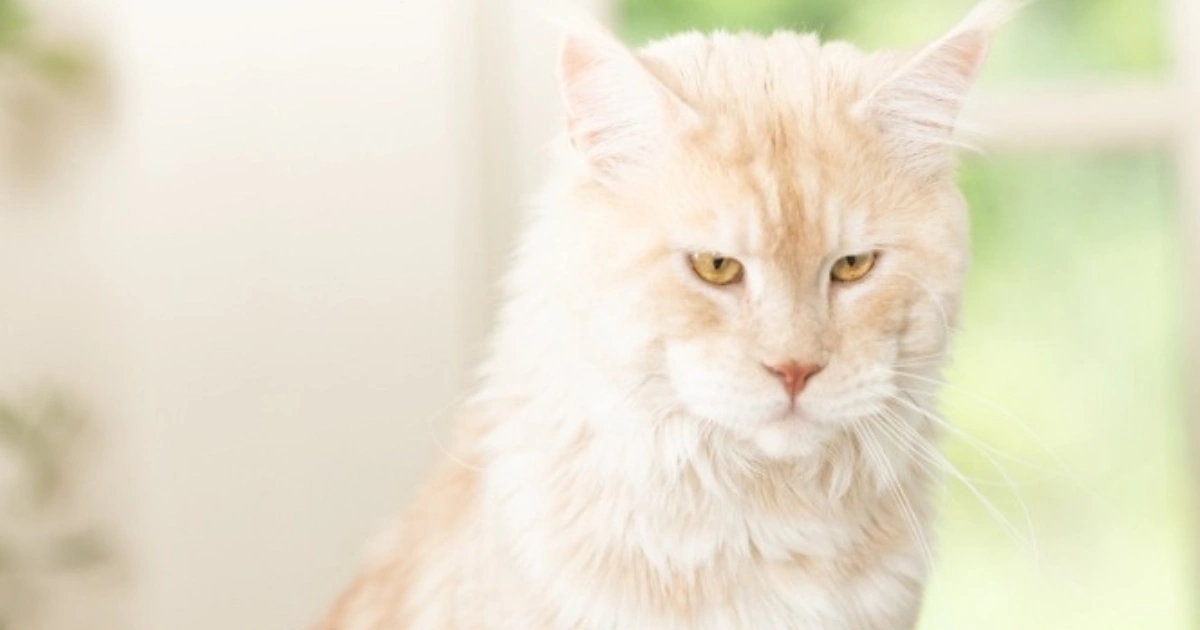
Cats may belong to the same species, but different breeds can vary dramatically in appearance, temperament, grooming needs, activity levels, and health traits. From giant long-haired Maine Coons to sleek hairless Sphynx cats, the diversity among domestic cat breeds is remarkable.
Understanding these differences helps future cat owners choose a breed that matches their lifestyle, home environment, and expectations.
This guide explores some of the world’s most popular cat breeds, their personalities, care requirements, and what makes each one unique.
Why Cat Breed Diversity Matters
The primary keyword for this article is cat breeds.
Selective breeding over centuries has produced cats with unique combinations of:
- Coat types
- Body shapes
- Eye colors
- Temperaments
- Activity levels
- Grooming needs
Some breeds thrive in active households, while others prefer calm indoor environments. Understanding breed traits can improve both owner satisfaction and feline welfare.
According to The Cat Fanciers’ Association, responsible breed selection should always consider temperament, health, and long-term care needs rather than appearance alone.
Maine Coon: The Gentle Giant
Maine Coons are among the largest domestic cat breeds.
Personality Traits
They are often described as:
- Friendly
- Intelligent
- Social
- Adaptable
Despite their large size, Maine Coons are known for gentle personalities and strong bonds with families.
Physical Characteristics
Maine Coons typically feature:
- Long thick fur
- Large tufted ears
- Bushy tails
- Strong muscular bodies
Their coats help them tolerate colder climates well.
Grooming Needs
Regular brushing is important to prevent matting and reduce shedding.
British Shorthair: Calm and Plush
British Shorthairs are famous for their dense plush coats and round faces.
Temperament
These cats are usually:
- Quiet
- Independent
- Affectionate without being overly demanding
They adapt well to apartment living and calmer households.
Popular Coat Colors
The classic blue-gray coat is especially recognizable, though British Shorthairs come in many colors and patterns.
American Shorthair: Hardy and Adaptable
American Shorthairs are one of the most versatile and easygoing cat breeds.
Why Families Like Them
These cats are valued for:
- Good health
- Friendly behavior
- Moderate activity levels
- Adaptability
They are excellent companions for both families and individuals.
Natural Hunting Background
Historically, American Shorthairs were working cats used to control rodents on farms and ships.
Sphynx: The Hairless Attention-Seeker
The Sphynx is one of the most recognizable cat breeds due to its nearly hairless appearance.
Personality
Sphynx cats are often:
- Extremely social
- Energetic
- Curious
- Attention-seeking
They typically enjoy close interaction with people.
Special Care Requirements
Because they lack fur, Sphynx cats require:
- Protection from cold temperatures
- Regular skin cleaning
- Sun exposure management
Their skin produces oils that normally would be absorbed by fur.
Ragdoll: Relaxed and Affectionate
Ragdolls are famous for their calm, gentle personalities.
Why They Are Called “Ragdolls”
Many Ragdolls relax completely when picked up, leading to their breed name.
Personality Traits
Ragdolls are commonly:
- Friendly
- Patient
- Good with children
- Indoor-oriented
They often follow owners around the house and enjoy companionship.
Coat Maintenance
Their semi-long coats require regular grooming to prevent tangles.
Persian Cats: Elegant but High Maintenance
Persians are known for their luxurious coats and flat facial structure.
Personality
Persian cats tend to be:
- Quiet
- Calm
- Relaxed
- Less active than many breeds
They are well suited to peaceful indoor environments.
Grooming Challenges
Persians require significant maintenance, including:
- Daily brushing
- Eye cleaning
- Careful coat management
Flat-faced Persians may also experience breathing and tear-duct issues.
The American Veterinary Medical Association emphasizes the importance of responsible breeding practices to reduce health problems linked to extreme physical traits.
Bengal Cats: Wild Appearance, High Energy
Bengals are famous for their leopard-like spotted coats.
Activity Levels
Bengals are extremely active and intelligent.
They often need:
- Interactive toys
- Climbing structures
- Mental stimulation
- Space to explore
Personality
Bengals are typically:
- Curious
- Athletic
- Vocal
- Highly engaged with their environment
They may not be ideal for owners seeking a quiet lap cat.
Devon Rex: Large Ears and Playful Nature
Devon Rex cats have unique curly coats and oversized ears.
Temperament
These cats are usually:
- Mischievous
- Playful
- Social
- Energetic
They often behave more like puppies than traditional cats.
Coat Characteristics
Their fine curly fur sheds less than many breeds but still requires gentle care.
Siberian Cats: Thick Fur and Strong Build
Siberians evolved in cold climates and developed dense triple-layer coats.
Personality
Siberians are often:
- Friendly
- Agile
- Intelligent
- Good climbers
They combine strength with affectionate behavior.
Allergy Considerations
Some people report fewer allergic reactions around Siberians, though no cat breed is truly hypoallergenic.
Turkish Angora: Graceful and Intelligent
Turkish Angoras are elegant cats with silky coats and slim builds.
Personality Traits
They are known for being:
- Intelligent
- Curious
- Athletic
- Social
Many Turkish Angoras enjoy climbing and interactive play.
Russian Blue: Quiet and Loyal
Russian Blues are admired for their silver-blue coats and green eyes.
Temperament
They are generally:
- Reserved with strangers
- Loyal to family
- Quiet
- Gentle
Russian Blues often prefer stable routines and calm households.
Siamese Cats: Vocal and Highly Social
Siamese cats are among the most recognizable and vocal cat breeds.
Personality
Siamese cats tend to be:
- Extremely social
- Talkative
- Intelligent
- Emotionally attached to owners
They often dislike being left alone for long periods.
Appearance
Classic Siamese features include:
- Blue eyes
- Color-point coats
- Slender bodies
- Large ears
Abyssinian: Active and Athletic
Abyssinians are one of the oldest known cat breeds.
Energy Levels
These cats are:
- Highly active
- Curious
- Agile
- Exploratory
They enjoy climbing, jumping, and interactive environments.
Best Home Type
Abyssinians thrive in homes with:
- Plenty of enrichment
- Climbing spaces
- Regular human interaction
Munchkin Cats: Controversial Short Legs
Munchkins are known for their unusually short legs caused by a genetic mutation.
Personality
Munchkins are often:
- Playful
- Outgoing
- Curious
Despite short legs, many remain surprisingly agile.
Ethical Concerns
Some veterinarians and welfare organizations question breeding practices involving extreme body structures.
Potential owners should carefully research health implications before choosing specialized breeds.
Choosing the Right Cat Breed for Your Lifestyle
Every household has different needs.
Best Breeds for Calm Homes
Good choices may include:
- British Shorthair
- Persian
- Ragdoll
- Russian Blue
Best Breeds for Active Families
More energetic breeds include:
- Bengal
- Abyssinian
- Siamese
- Devon Rex
Best Low-Maintenance Breeds
Lower-grooming options include:
- American Shorthair
- British Shorthair
- Russian Blue
Indoor Cats vs Outdoor Cats
Many purebred cats are safer indoors because of:
- Traffic risks
- Disease exposure
- Predators
- Theft concerns
Indoor enrichment is essential for mental and physical health.
Helpful enrichment tools include:
- Cat trees
- Puzzle feeders
- Interactive toys
- Window perches
According to ASPCA, environmental enrichment greatly improves indoor feline welfare.
Frequently Asked Questions About Cat Breeds
Which cat breed is the friendliest?
Ragdolls, Maine Coons, and British Shorthairs are often considered among the friendliest cat breeds.
What cat breed sheds the least?
Sphynx cats appear hairless, while Devon Rex cats typically shed less than many other breeds.
Which cat breed is best for apartments?
British Shorthairs, Ragdolls, and Russian Blues usually adapt well to apartment living.
Are Bengal cats good for beginners?
Bengals can be challenging for inexperienced owners because of their high energy and stimulation needs.
What is the calmest cat breed?
Persians and Ragdolls are often considered among the calmest domestic cat breeds.
Internal Linking Suggestions for secretsofthegreengarden.com
To strengthen topical relevance and improve engagement, consider internally linking this article to related content such as:
- “Why Cats Purr and What Science Says About It”
- “How Animals Detect Scents Across Long Distances”
- “How to Create a Pet-Friendly Backyard Garden”
These related articles can help build stronger topical clusters around pets and animal behavior.
Recommended External Resources
For additional feline care and breed information, consider referencing:
Final Thoughts
The diversity among cat breeds reflects centuries of selective breeding, adaptation, and human companionship. Some breeds are calm lap cats, while others are highly athletic explorers with endless curiosity.
Choosing the right cat involves more than appearance alone. Temperament, grooming requirements, health considerations, and activity levels all play important roles in creating a successful long-term match.
With proper care, enrichment, and responsible ownership, cats of every breed can become deeply rewarding companions for years to come.