
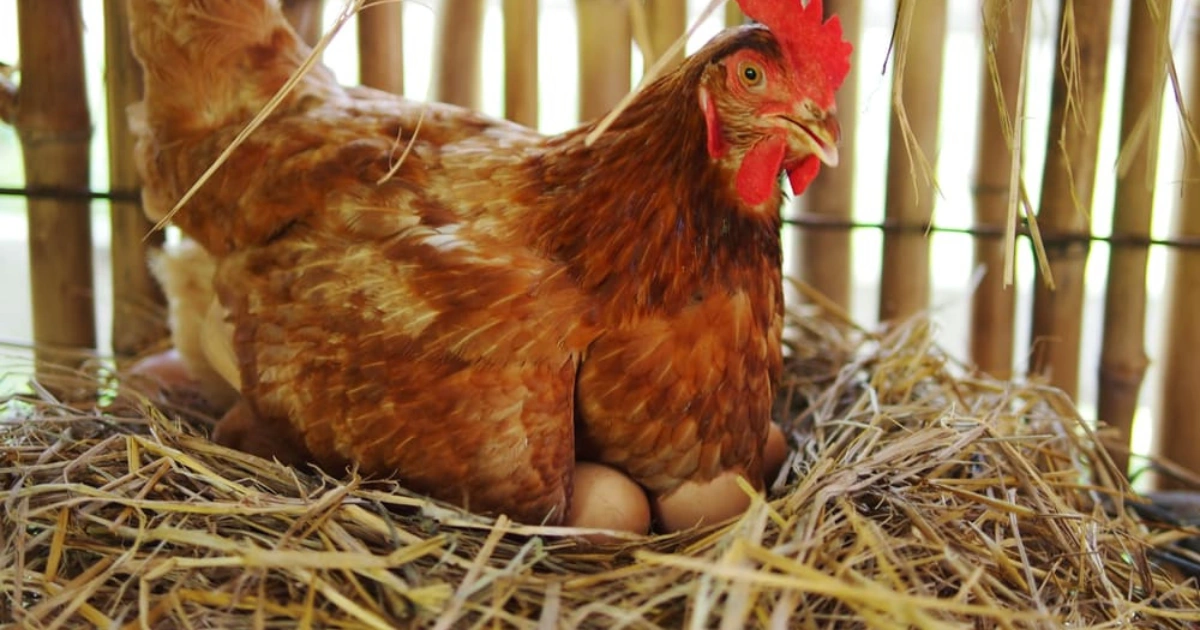
Choosing the right chicken breed can make a major difference in how many eggs your flock produces each year. Some hens are known for laying nearly daily, while others produce fewer eggs but offer hardiness, calm temperaments, or colorful shells.
For backyard chicken keepers, understanding the strengths of different egg-laying breeds helps create a healthier, more productive flock suited to local climate and lifestyle.
This guide explores the best egg-laying chicken breeds, how many eggs they typically produce annually, and which breeds work best for beginners, cold climates, free-ranging, and sustainable backyard farming.
Why Breed Selection Matters for Egg Production
The primary keyword for this article is best egg-laying chicken breeds.
Not all chickens lay eggs at the same rate. Genetics strongly influence:
- Egg production
- Egg size
- Shell color
- Lifespan
- Feed efficiency
- Climate tolerance
Some hybrid hens are bred specifically for high production, while heritage breeds balance egg laying with long-term resilience and adaptability.
Factors such as nutrition, daylight hours, stress, and housing also affect laying performance.
According to University of Kentucky College of Agriculture, Food and Environment, healthy hens require proper nutrition, clean water, and adequate light exposure for consistent egg production.
Leghorn Chickens: Legendary White Egg Layers
Leghorns are among the most productive laying breeds in the world.
Average Egg Production
Leghorns typically produce:
- 280 to 320 eggs per year
They are especially famous for their bright white eggs and efficient feed conversion.
Why Backyard Keepers Choose Leghorns
Leghorns are valued for:
- High productivity
- Excellent feed efficiency
- Early laying maturity
- Active personalities
However, they can be more energetic and flighty than calmer backyard breeds.
Best Environment for Leghorns
Leghorns thrive in:
- Warm climates
- Spacious runs
- Active free-range systems
Because of their lightweight bodies, they tolerate heat better than many heavier breeds.
ISA Brown: One of the Highest-Producing Hybrid Hens
ISA Browns are hybrid chickens specifically developed for exceptional egg production.
Average Egg Production
ISA Browns often lay:
- 300 to 350 eggs annually
This makes them one of the most productive backyard laying hens available.
Advantages of ISA Browns
Many chicken keepers appreciate ISA Browns because they are:
- Friendly
- Easy to handle
- Reliable layers
- Suitable for beginners
Important Consideration
Hybrid hens often reach peak productivity quickly but may decline earlier than heritage breeds.
They are ideal for keepers focused primarily on maximum egg numbers.
Golden Comet Chickens: Friendly and Productive
Golden Comets are another popular hybrid laying breed.
Average Egg Production
Golden Comets usually produce:
- 250 to 300 eggs yearly
Why People Love Golden Comets
These birds are known for:
- Gentle temperaments
- Strong laying consistency
- Beginner-friendly behavior
- Good cold tolerance
They adapt well to backyard settings and smaller flocks.
Rhode Island Red: Hardy and Dependable
Rhode Island Reds are one of the classic American backyard chicken breeds.
Average Egg Production
Most Rhode Island Reds produce:
- 250 to 300 eggs annually
Why This Breed Remains Popular
Rhode Island Reds are valued because they are:
- Hardy in cold weather
- Strong foragers
- Adaptable to many climates
- Long-lived compared to some hybrids
They produce brown eggs and are often recommended for first-time chicken owners.
Australorp Chickens: Calm Birds With Excellent Production
Australorps combine productivity with calm personalities.
Average Egg Production
Australorps typically lay:
- 250 to 300 eggs per year
Benefits of Australorps
Chicken keepers often choose Australorps because they are:
- Quiet and gentle
- Good with children
- Adaptable to confinement
- Strong winter layers
Historically, Australorps set world records for egg production among heritage breeds.
Plymouth Rock Chickens: Reliable Heritage Layers
Plymouth Rocks are dual-purpose birds raised for both eggs and meat.
Average Egg Production
Plymouth Rocks generally produce:
- 200 to 280 eggs annually
Why Backyard Farmers Choose Plymouth Rocks
They are appreciated for:
- Calm personalities
- Cold hardiness
- Good foraging ability
- Long productive lifespan
Barred Plymouth Rocks are especially recognizable because of their black-and-white feather patterns.
Easter Egger Chickens: Colorful Eggs and Unique Looks
Easter Eggers are popular for their colorful egg shells rather than maximum productivity alone.
Average Egg Production
Most Easter Eggers produce:
- 200 to 280 eggs per year
Egg Color Variety
These hens may lay eggs in shades of:
- Blue
- Green
- Olive
- Pink-tinted hues
Their unique egg basket colors make them especially popular with backyard hobbyists.
Personality Traits
Easter Eggers are often:
- Curious
- Friendly
- Hardy
- Good family birds
Sussex Chickens: Calm and Productive Heritage Birds
Sussex chickens are traditional English birds known for steady laying and docile behavior.
Average Egg Production
Sussex hens usually produce:
- 200 to 250 eggs yearly
Why Sussex Chickens Stand Out
Sussex birds are known for:
- Friendly temperaments
- Good winter laying
- Strong adaptability
- Excellent free-ranging skills
They are often recommended for sustainable backyard flocks focused on long-term reliability.
Hybrid Breeds vs Heritage Breeds
Understanding the difference between hybrids and heritage chickens helps flock owners choose the right birds.
Hybrid Layers
Hybrid chickens are bred specifically for high egg output.
Examples include:
- ISA Brown
- Golden Comet
Advantages:
- Extremely high production
- Efficient feed use
- Early laying maturity
Disadvantages:
- Faster decline in laying
- Shorter peak productivity period
Heritage Breeds
Heritage breeds prioritize long-term resilience and natural traits.
Examples include:
- Rhode Island Red
- Australorp
- Plymouth Rock
- Sussex
Advantages:
- Longer productive lifespan
- Better adaptability
- Stronger natural behaviors
Disadvantages:
- Slightly lower annual egg counts
What Affects Egg Production Besides Breed?
Even the best egg-laying chicken breeds need proper care to maintain strong production.
Nutrition
Laying hens require balanced feed rich in:
- Protein
- Calcium
- Vitamins
- Minerals
Poor nutrition quickly reduces laying rates.
Daylight
Hens rely on light cycles to regulate egg production.
Most hens lay best with:
- 14–16 hours of light daily
Production often slows naturally during winter.
Stress Reduction
Stress can reduce or temporarily stop egg laying.
Common stressors include:
- Predator pressure
- Overcrowding
- Heat
- Sudden environmental changes
Clean Housing
Dry, ventilated coops help reduce disease risk and improve flock health.
The USDA Animal and Plant Health Inspection Service recommends strong biosecurity and sanitation practices for poultry health.
Best Chicken Breeds for Beginners
For new backyard chicken keepers, some breeds are easier to manage than others.
Top beginner-friendly breeds include:
- ISA Brown
- Australorp
- Sussex
- Plymouth Rock
- Golden Comet
These breeds combine good egg production with calmer temperaments and adaptability.
Frequently Asked Questions About Egg-Laying Chickens
Which chicken breed lays the most eggs?
ISA Browns are among the highest-producing laying hens, often producing up to 350 eggs per year under ideal conditions.
What chicken lays eggs every day?
No chicken lays perfectly every single day year-round, but high-production breeds such as Leghorns and ISA Browns can come very close during peak laying periods.
What is the best backyard chicken breed for beginners?
Australorps, Plymouth Rocks, and ISA Browns are commonly recommended for beginners due to their calm personalities and reliable laying habits.
Do chickens stop laying in winter?
Many hens reduce egg production during winter because of shorter daylight hours, though some breeds continue laying better than others.
How long do laying hens produce eggs?
Most hens lay most actively during the first two to three years, although many continue producing eggs at lower rates for several more years.
Internal Linking Suggestions for secretsofthegreengarden.com
To strengthen topical relevance and improve reader engagement, consider linking internally to related articles such as:
- “How to Build a Predator-Proof Chicken Coop”
- “Best Natural Foods for Backyard Chickens”
- “How to Keep Chickens Healthy During Winter”
These related articles can help create a stronger poultry and homesteading content cluster.
Recommended External Resources
For science-based poultry care information, consider referencing:
- University of Kentucky College of Agriculture, Food and Environment
- USDA Animal and Plant Health Inspection Service
- Cornell University College of Veterinary Medicine
Final Thoughts
The best egg-laying chicken breeds combine productivity, health, temperament, and adaptability.
Hybrid hens such as ISA Browns and Golden Comets excel in maximum egg production, while heritage breeds like Australorps, Rhode Island Reds, and Sussex chickens offer balanced performance and long-term resilience.
Choosing the right breed depends on your goals, climate, available space, and flock management style. With proper care, nutrition, and housing, a well-selected backyard flock can provide fresh eggs consistently for years.