
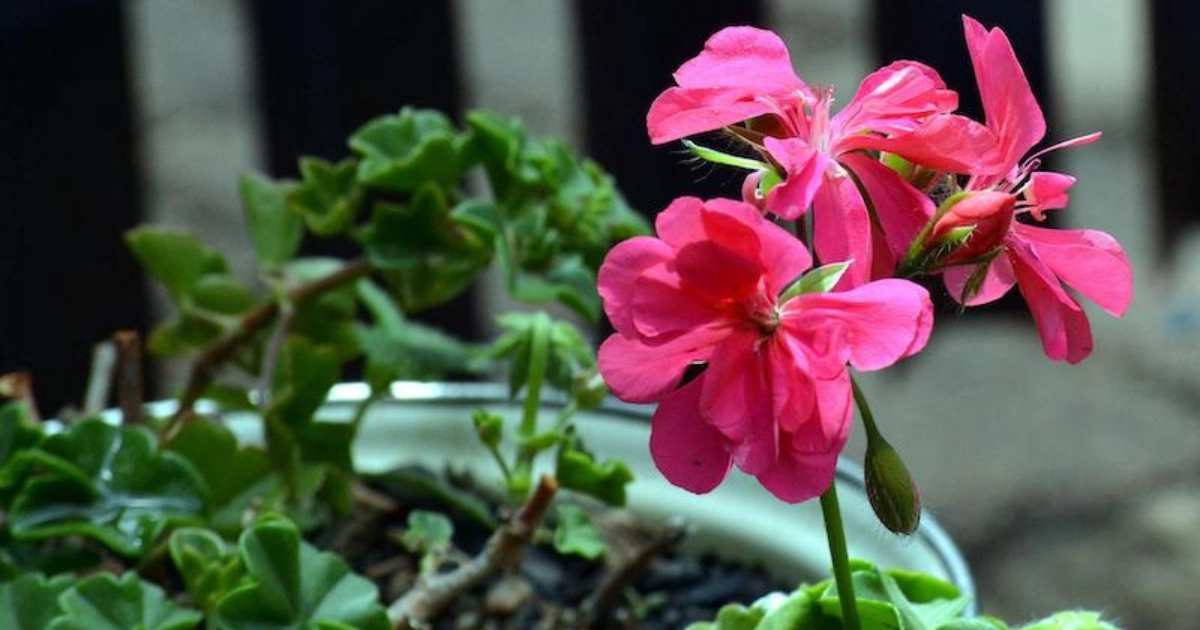
Geraniums are among the most popular summer flowers because they produce vibrant blooms for months with relatively little care. However, many gardeners unintentionally weaken their plants through improper watering, poor soil choices, incorrect pruning, or unsuitable containers.
When geraniums stop flowering, turn yellow, or become leggy during summer, the problem is often linked to a few very common care mistakes.
This guide explains the biggest geranium care errors, what actually helps these plants thrive, and how to encourage continuous blooming throughout the warm season.
Why Geraniums Struggle in Summer
The primary keyword for this article is geranium care mistakes.
Geraniums naturally prefer conditions that are:
- Bright and sunny
- Warm but not waterlogged
- Well-drained
- Slightly dry between waterings
Unlike moisture-loving plants, geraniums are highly sensitive to overly wet soil and excessive nitrogen. Many common gardening habits accidentally encourage leaf growth instead of flowers.
According to University of Minnesota Extension, proper drainage and controlled watering are essential for healthy geranium growth and bloom production.
Mistake #1: Watering Geraniums Every Day
One of the most damaging mistakes is watering too frequently.
Why Constant Moisture Hurts Geraniums
Geranium roots require oxygen as well as moisture. Permanently wet soil limits airflow around the roots and can lead to:
- Root rot
- Yellowing leaves
- Weak stems
- Reduced flowering
- Fungal disease
Overwatered geraniums often produce soft growth with very few blooms.
What Actually Works
Instead of daily watering:
- Allow the top inch of soil to dry before watering again
- Water deeply rather than lightly
- Reduce watering during cooler weather
Geraniums tolerate slight dryness better than constant moisture.
Mistake #2: Leaving Old Blooms on the Plant
Many gardeners forget to remove faded flowers.
Why Deadheading Matters
Once old blooms begin producing seeds, the plant redirects energy away from flowering and toward reproduction.
This often causes:
- Fewer blooms
- Slower reblooming
- Tired-looking plants
How to Encourage Continuous Blooming
Remove faded flower stems weekly by pinching or cutting them back to the nearest healthy node.
This process, called deadheading, stimulates fresh flower production throughout summer.
Mistake #3: Using Rich Potting Soil With Too Much Nitrogen
Geraniums do not need extremely rich soil.
What Happens With Excess Nitrogen
High-nitrogen mixes often produce:
- Large leafy growth
- Weak stems
- Reduced flower production
The plant may appear lush but bloom poorly.
Better Soil for Geraniums
Geraniums prefer:
- Light, fast-draining soil
- Moderate fertility
- Good aeration
Many gardeners improve drainage by adding:
- Sand
- Perlite
- Fine bark
- Coarse compost
A lower-nitrogen fertilizer designed for flowering plants often produces better results than general-purpose formulas.
Mistake #4: Skipping Pruning
Without pruning, geraniums can become woody and exhausted by midsummer.
Signs Your Geranium Needs Pruning
Common symptoms include:
- Long bare stems
- Sparse flowers
- Weak growth
- Leggy appearance
The Best Summer Pruning Method
A light to moderate trim during summer helps rejuvenate the plant.
Many gardeners cut plants back by roughly one-third during peak summer heat to encourage fresh growth and stronger reblooming.
Pruning helps:
- Improve airflow
- Stimulate branching
- Produce fuller plants
- Increase flower production
Mistake #5: Choosing the Wrong Pot Size
Container size strongly affects geranium blooming behavior.
Why Oversized Pots Can Reduce Flowers
Large containers hold moisture longer, which may encourage excessive root growth instead of blooms.
Geraniums actually perform better when slightly root-restricted.
Ideal Container Conditions
Choose pots with:
- Drainage holes
- Moderate root space
- Fast-draining soil
Terracotta pots are especially useful because they allow excess moisture to evaporate more easily.
How Sunlight Affects Geranium Blooming
Geraniums require strong light for maximum flowering.
Ideal Light Conditions
Most geraniums bloom best with:
- 6 to 8 hours of direct sun daily
Insufficient sunlight often causes:
- Weak stems
- Sparse flowers
- Pale leaves
- Slow growth
In extremely hot climates, light afternoon shade may help reduce stress during intense summer heat.
Best Fertilizer for Blooming Geraniums
Flowering plants require different nutrient ratios than leafy plants.
What Geraniums Need Most
To support flowering, geraniums benefit from:
- Moderate phosphorus
- Balanced potassium
- Controlled nitrogen
Overfertilizing can quickly reduce blooms.
Fertilizing Schedule
Many gardeners feed container geraniums:
- Every 2 to 4 weeks during active growth
Slow-release fertilizers may also work well when used carefully.
The Royal Horticultural Society recommends avoiding overfeeding flowering container plants because excessive nutrients can reduce bloom quality.
Why Geranium Leaves Turn Yellow
Yellow leaves are one of the most common geranium problems.
Common Causes
Yellowing often results from:
- Overwatering
- Poor drainage
- Nutrient imbalance
- Lack of sunlight
- Root stress
Older lower leaves naturally yellow occasionally, but widespread yellowing usually indicates care problems.
Can Geraniums Survive Extreme Summer Heat?
Geraniums tolerate warmth well but can struggle during prolonged heat waves.
Heat Stress Symptoms
Signs include:
- Wilting
- Dropping flowers
- Crispy leaf edges
- Slowed growth
How to Protect Geraniums During Heat Waves
Helpful strategies include:
- Morning watering only
- Mulching containers lightly
- Improving airflow
- Temporary afternoon shade
Avoid watering leaves late in the evening because damp foliage overnight may encourage disease.
Growing Geraniums in Containers vs Garden Beds
Both methods can work successfully with proper care.
Container Advantages
Potted geraniums offer:
- Better drainage control
- Easier mobility
- Reduced weed competition
Garden Bed Advantages
In-ground plants may:
- Require less frequent watering
- Develop larger root systems
- Experience less temperature fluctuation
The key in both situations is avoiding overly wet soil.
Frequently Asked Questions About Geranium Care
Why are my geraniums growing leaves but no flowers?
Too much nitrogen, insufficient sunlight, or failure to deadhead old blooms commonly reduces flowering.
How often should geraniums be watered in summer?
Water when the top inch of soil feels dry rather than following a fixed daily schedule.
Do geraniums prefer full sun?
Yes. Most geraniums bloom best with at least six hours of direct sunlight daily.
Should I remove dead flowers from geraniums?
Yes. Deadheading encourages continuous reblooming and prevents the plant from wasting energy on seed production.
Can geraniums recover after severe pruning?
Healthy geraniums often rebound strongly after moderate pruning, especially during warm growing conditions.
Internal Linking Suggestions for secretsofthegreengarden.com
To improve topical authority and reader engagement, consider internally linking this article to related content such as:
- “Best Summer Flowers for Containers”
- “How Mulch Protects Plants During Heat Waves”
- “Why Overwatering Kills More Plants Than Drought”
These related articles can strengthen gardening topic clusters and improve overall SEO structure.
Recommended External Resources
For science-based plant care information, consider referencing:
Final Thoughts
Most geranium problems during summer are caused not by neglect, but by overly attentive care. Excess watering, rich soil, oversized containers, and skipped pruning often prevent plants from flowering at their full potential.
Geraniums thrive when given strong sunlight, fast-draining soil, moderate feeding, and brief dry periods between waterings.
With proper care and regular deadheading, healthy geraniums can continue producing vibrant blooms throughout the entire summer season.