
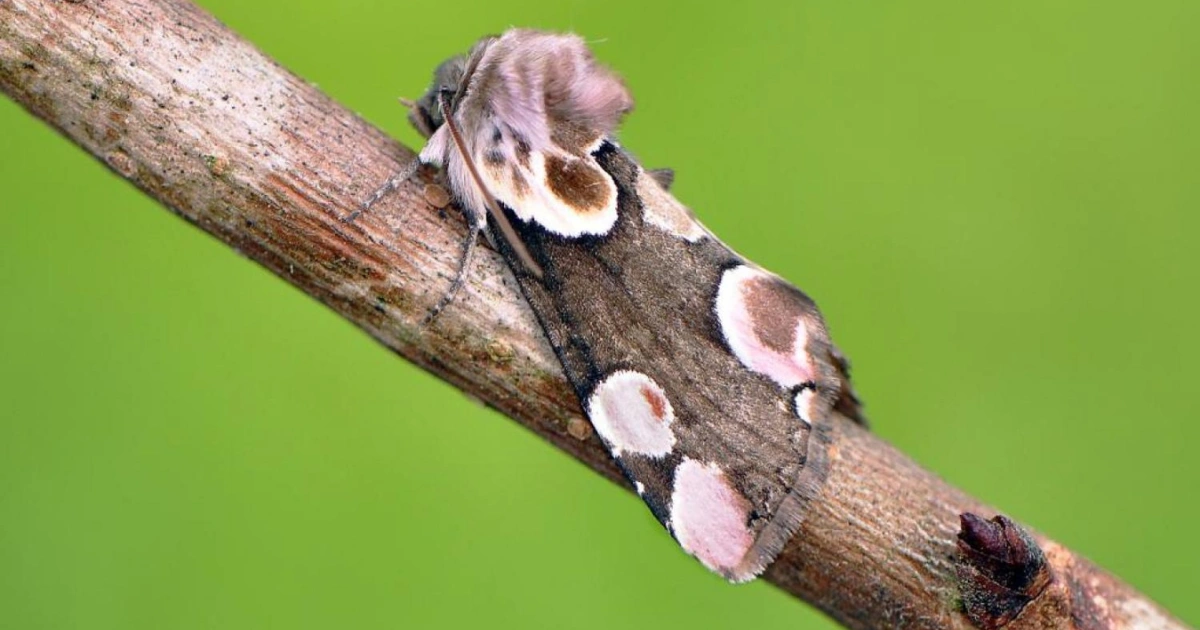
Moths are often misunderstood. Drawn to porch lights and windows at night, they are commonly dismissed as pests or ignored entirely. Yet these nocturnal insects play a major role in pollination, food chains, and ecosystem balance.
What many people do not realize is that artificial lighting can seriously disrupt moth behavior, affecting not only the insects themselves but also birds, bats, plants, and entire nighttime ecosystems.
This article explains why moths are attracted to light, how they support biodiversity, and simple ways to make outdoor spaces more wildlife-friendly at night.
Why Moths Fly Toward Artificial Lights
The primary keyword for this article is why moths are attracted to light.
Scientists still debate the exact reason moths circle artificial lights, but one leading theory involves navigation.
Many nocturnal insects evolved using natural light sources such as:
- The moon
- Stars
- Twilight horizons
These distant light sources help moths maintain stable flight paths. Artificial lights confuse this system because the light source is extremely close and much brighter than natural nighttime conditions.
As a result, moths may:
- Spiral endlessly around lights
- Become exhausted
- Lose orientation
- Become easier targets for predators
According to International Dark-Sky Association, excessive artificial lighting significantly disrupts nocturnal wildlife behavior and ecological systems.
Moths Are Important Pollinators
Many people focus only on bees when discussing pollination, but moths also perform essential pollination work.
Night Pollination Matters
Numerous plants rely partly or entirely on nighttime pollinators.
Moths help pollinate:
- Evening primrose
- Jasmine
- Honeysuckle
- Yucca plants
- Moonflowers
Unlike bees, moths often travel long distances at night, transferring pollen across wider areas.
Why Some Flowers Bloom at Night
Night-blooming flowers evolved specifically to attract nocturnal pollinators.
These flowers often feature:
- Pale colors
- Strong nighttime fragrance
- Tubular flower shapes
Moths use scent and low-light vision to locate them after sunset.
Moths Support Entire Food Chains
Moths are not only pollinators. They are also a major food source for many animals.
Animals That Depend on Moths
Moths and caterpillars feed:
- Bats
- Birds
- Frogs
- Lizards
- Small mammals
- Spiders
Caterpillars especially provide critical protein for nesting birds during breeding season.
Research from National Wildlife Federation highlights that caterpillars are among the most important food sources for many songbird species.
How Artificial Light Harms Moths
Artificial lighting creates several ecological problems for nocturnal insects.
Exhaustion and Disorientation
Bright lights trap moths in repeated circling behavior, draining energy reserves needed for:
- Reproduction
- Migration
- Escaping predators
Increased Predation
Lights make moths more visible to predators such as bats and birds.
Interrupted Reproduction
Artificial lighting can interfere with:
- Mating behavior
- Navigation signals
- Egg-laying patterns
Over time, this contributes to population declines.
Why Moth Populations Are Declining
Many moth species have experienced significant declines in recent decades.
Main Causes of Decline
Major factors include:
- Habitat loss
- Pesticide use
- Climate change
- Artificial lighting
- Reduction of native plants
Because moths are sensitive to environmental changes, scientists often view them as indicators of ecosystem health.
Moths vs Butterflies: Key Differences
Although closely related, moths and butterflies differ in several ways.
Moths
Most moths are:
- Nocturnal
- More heavily bodied
- Better camouflaged
- Feather-antennaed
Butterflies
Butterflies are generally:
- Active during daytime
- More brightly colored
- Slim-bodied
- Club-antennaed
However, both groups are important pollinators and ecosystem contributors.
How You Can Help Moths and Other Night Pollinators
Small changes in outdoor lighting can greatly reduce harm to nocturnal wildlife.
Reduce Unnecessary Outdoor Lighting
Turn off lights when not needed, especially during late-night hours.
Use Warm-Colored Bulbs
Warm amber lighting attracts fewer insects than bright white or blue-rich LEDs.
Shield Outdoor Lights
Directing light downward reduces skyglow and minimizes insect disorientation.
Plant Native Night-Blooming Flowers
Good choices include:
- Evening primrose
- Nicotiana
- Moonflower
- Native jasmine species
Native plants support local insect populations more effectively than many ornamental hybrids.
The Connection Between Moths and Bats
Bats rely heavily on moth populations for food.
A decline in moth abundance can directly affect bat survival and reproduction.
Why Healthy Insect Populations Matter
Nocturnal ecosystems depend on interconnected food webs.
When insect populations collapse:
- Birds lose food sources
- Bat populations struggle
- Pollination decreases
- Plant diversity declines
Protecting moths indirectly supports many other species.
The Bat Conservation International notes that insect-eating bats play important ecological roles by naturally controlling pest populations.
Are Moths Dangerous?
Most moths are harmless to humans.
Common Misconceptions
People often assume moths:
- Bite
- Sting
- Damage homes extensively
In reality, only a small number of species become household pests.
Most wild moth species are beneficial parts of natural ecosystems.
Why Moths Are Drawn to Porch Lights Specifically
Porch lights create concentrated artificial light sources in otherwise dark environments.
Bright bulbs can overpower natural navigation cues and attract insects from surprisingly large distances.
Blue-white LEDs are especially disruptive because many insects are highly sensitive to shorter light wavelengths.
How Gardeners Benefit From Moths
Gardeners often overlook the role moths play in healthy ecosystems.
Moths contribute to:
- Pollination
- Biodiversity
- Bird support
- Natural food webs
Gardens with diverse insect populations are generally more ecologically stable and resilient.
Frequently Asked Questions About Moths
Why are moths attracted to light?
Scientists believe artificial lights interfere with moth navigation systems that evolved around natural celestial light sources.
Do moths pollinate flowers?
Yes. Many moth species pollinate flowers, especially plants that bloom at night.
Are moths good for gardens?
Yes. Moths support pollination and provide food for birds, bats, and other beneficial wildlife.
Does turning off outdoor lights help insects?
Reducing unnecessary nighttime lighting can significantly reduce disorientation and mortality among nocturnal insects.
What animals eat moths?
Many animals eat moths, including bats, birds, frogs, spiders, and reptiles.
Internal Linking Suggestions for secretsofthegreengarden.com
To strengthen topical authority and reader engagement, consider internally linking this article to related content such as:
- “Why Bats Are Essential for Healthy Gardens”
- “Night Pollinators Most Gardeners Never Notice”
- “How Artificial Light Affects Backyard Wildlife”
These related articles can help build stronger biodiversity and wildlife topic clusters.
Recommended External Resources
For evidence-based information on nighttime ecology and insect conservation, consider referencing:
Final Thoughts
Moths are far more important than most people realize. They pollinate flowers, support food webs, feed bats and birds, and contribute to the health of entire ecosystems after dark.
Artificial lighting may seem harmless, but it can profoundly disrupt these delicate nighttime relationships.
Simply reducing unnecessary outdoor lighting, planting native flowers, and supporting darker night environments can help protect moth populations and the countless species connected to them.