
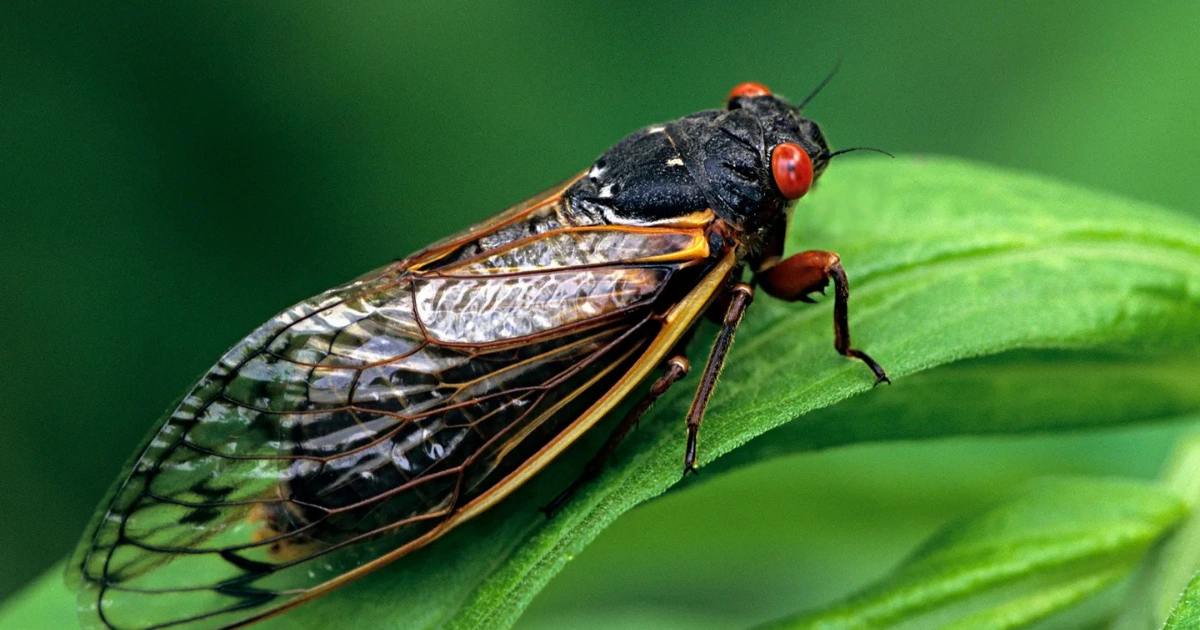
Few natural events are as strange and dramatic as cicada emergence. After spending years hidden beneath the soil, cicadas suddenly appear during warm, humid nights, climb trees in silence, transform into winged adults, and begin one of the loudest insect choruses on Earth.
Most people only notice the sound of cicadas during summer. What they rarely witness is the fragile transformation that happens during the first few hours after emergence — a brief stage where the insect is highly vulnerable and undergoing one of nature’s most extraordinary metamorphoses.
This article explains the cicada life cycle, what happens during those critical nighttime hours, and why cicadas play an important ecological role.
The Hidden Life of Cicadas Underground
The primary keyword for this article is cicada emergence.
Before becoming winged adults, cicadas spend the majority of their lives underground as immature nymphs.
Depending on the species, cicadas may remain below the soil surface for:
- 2 years
- 5 years
- 13 years
- 17 years
During this underground stage, they feed on fluids from plant roots using specialized piercing mouthparts.
Why Cicadas Stay Underground So Long
Scientists believe extended underground development helps cicadas avoid predators and synchronize massive emergence events.
Periodical cicadas, especially the famous 13-year and 17-year species found in North America, emerge in enormous numbers simultaneously. This strategy overwhelms predators because far more cicadas appear than birds or mammals can consume.
According to National Geographic, periodical cicadas represent one of the most synchronized insect life cycles known in nature.
Stage 1: The Departure From Underground
On warm, humid evenings, cicada nymphs begin climbing out of the soil.
Why Emergence Happens at Night
Nighttime conditions help reduce:
- Dehydration
- Heat stress
- Predator exposure
The insects emerge alone and instinctively search for vertical surfaces such as:
- Tree trunks
- Plants
- Walls
- Fence posts
This stage is extremely dangerous because the nymphs are slow-moving and exposed.
Stage 2: The Ascent
Once above ground, the cicada climbs upward without stopping.
Why Cicadas Climb Trees
The insect searches for a secure location where it can safely molt into adulthood.
A stable horizontal branch or rough vertical surface helps support the transformation process.
After selecting a position, the cicada locks its claws tightly into place and remains still.
Stage 3: The Molting Process
The molt is one of the most vulnerable moments in a cicada’s life.
How the Transformation Happens
The nymph’s outer shell splits open along the back.
The adult cicada slowly pulls itself out in reverse, leaving behind the empty exoskeleton often found attached to trees.
At first, the newly emerged cicada looks dramatically different:
- Pale white or light green
- Soft-bodied
- Fragile
- Wrinkled wings
Its wings are initially wet and folded, almost like transparent film.
Why This Stage Is Dangerous
During these first hours, cicadas are nearly defenseless.
They can easily be killed by:
- Birds
- Ants
- Rain
- Cold temperatures
- Physical damage
The insect must remain still while its body hardens and wings expand fully.
Stage 4: Dawn and Final Transformation
By sunrise, the cicada has completed its transformation into a fully winged adult.
Its body darkens as the exoskeleton hardens through a process called sclerotization.
What Happens Next
Adult cicadas now focus on only a few tasks:
- Singing
- Mating
- Reproducing
Unlike the years spent underground, the adult phase is surprisingly short.
Most adult cicadas live only:
- 4 to 6 weeks
During this period, males produce loud mating calls using vibrating structures called tymbals located on the abdomen.
Why Cicadas Sing So Loudly
Cicada songs are among the loudest sounds produced by insects.
Some species can exceed:
- 100 decibels
That is comparable to loud machinery or motorcycles at close range.
Why Males Produce the Sound
Male cicadas sing to attract females.
Different species create distinct songs that help individuals identify mates from their own species.
The loud chorus also creates a form of group protection by confusing predators and increasing mating opportunities.
The Ecological Importance of Cicadas
Although cicadas may seem noisy or inconvenient, they provide major ecological benefits.
Cicadas Feed Wildlife
Many animals rely on cicadas as seasonal food sources, including:
- Birds
- Foxes
- Raccoons
- Fish
- Reptiles
Mass emergence events provide enormous nutrient pulses for ecosystems.
Cicadas Improve Soil
When cicada nymphs tunnel underground, they help:
- Aerate soil
- Improve water movement
- Recycle nutrients
After adults die, their bodies return nutrients to the environment.
The Smithsonian Institution notes that cicada emergences can temporarily reshape entire forest food webs.
Why Cicada Emergence Fascinates Scientists
Cicadas remain scientifically fascinating because of their unusual timing systems.
How Do Cicadas Know When to Emerge?
Researchers believe cicadas may track:
- Seasonal temperature cycles
- Tree root activity
- Internal biological clocks
Scientists are still studying how these insects maintain such precise multi-year timing underground.
Cicadas vs Locusts: Common Confusion
People often confuse cicadas with locusts, but they are completely different insects.
Cicadas
Cicadas:
- Feed on plant fluids
- Do not destroy crops in swarms
- Spend years underground
Locusts
Locusts are a type of grasshopper that can form destructive swarms capable of devastating vegetation.
The confusion partly comes from early settlers incorrectly using the word “locust” for periodical cicadas.
Why Artificial Lights Affect Emerging Cicadas
Bright artificial lights may interfere with cicada behavior during nighttime emergence.
Strong lighting can:
- Disrupt navigation
- Increase predator exposure
- Alter natural timing cues
Reducing unnecessary nighttime lighting can help support nocturnal insect behavior during emergence periods.
Frequently Asked Questions About Cicada Emergence
How long do cicadas stay underground?
Depending on the species, cicadas may remain underground from 2 to 17 years before emerging.
Why do cicadas emerge at night?
Nighttime conditions reduce dehydration and help protect vulnerable nymphs from predators.
What are the empty shells left on trees?
These are exoskeletons left behind after cicadas molt into their winged adult form.
How long do adult cicadas live?
Most adult cicadas survive for roughly 4 to 6 weeks after emergence.
Are cicadas harmful to humans?
No. Cicadas do not bite, sting, or spread disease to humans.
Internal Linking Suggestions for secretsofthegreengarden.com
To strengthen topical relevance and improve engagement, consider internally linking this article to related content such as:
- “Why Moths Are Essential for Night Ecosystems”
- “How Insects Shape Healthy Garden Soil”
- “The Hidden Life Cycles of Backyard Wildlife”
These related articles can help build stronger biodiversity and ecology topic clusters.
Recommended External Resources
For additional information about cicadas and insect ecology, consider referencing:
Final Thoughts
Cicada emergence is one of nature’s most extraordinary transformations. After years spent hidden underground, these insects emerge for only a few weeks to sing, reproduce, and complete their life cycle.
The brief nighttime process of climbing, molting, and hardening into adulthood is both fragile and remarkable — a transformation most people never witness.
Far from being simple summer noise, cicadas are important contributors to forest ecosystems, wildlife food webs, and soil health. Their emergence is a reminder that some of nature’s most fascinating events happen quietly, in darkness, while most of the world sleeps.