
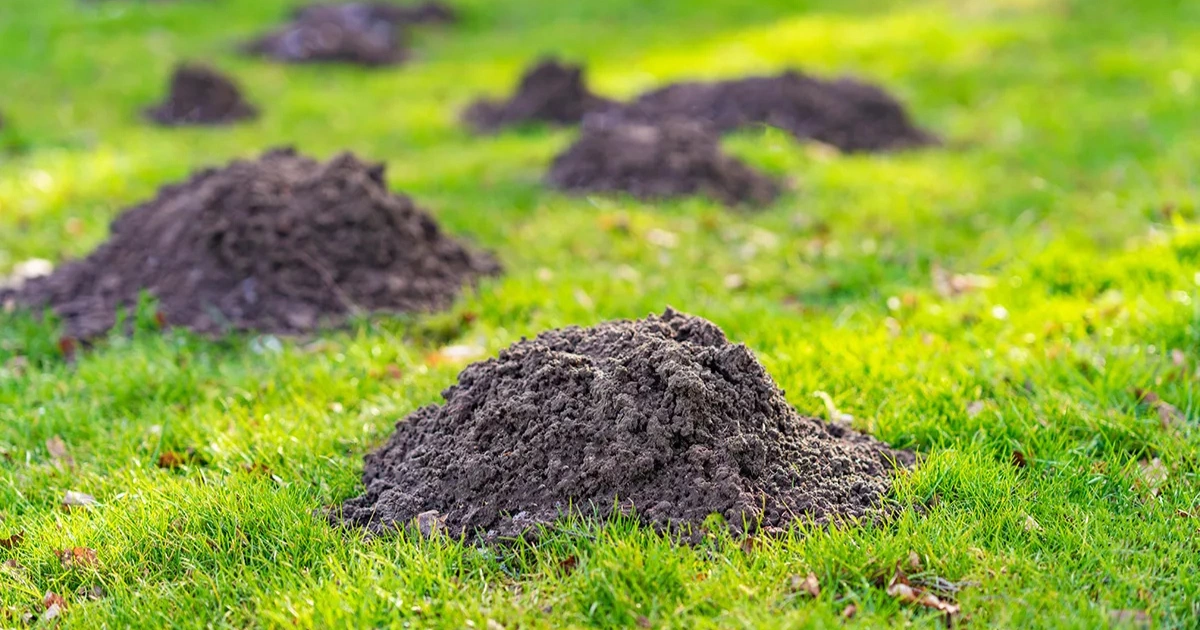
Molehills are often seen as a frustrating sign that something is damaging a lawn or garden. The piles of soil can appear overnight, creating uneven ground and disrupting carefully maintained grass. But beneath the surface, moles are doing far more than simply digging random tunnels.
These underground mammals create complex tunnel systems that affect soil structure, drainage, insect populations, and ecosystem balance in ways many gardeners never realize.
This article explains what actually happens below a molehill, how moles benefit soil health, when they become a problem, and what gardeners should know before trying to remove them.
What Is a Molehill?
The primary keyword for this article is molehills in the garden.
A molehill forms when a mole pushes excavated soil to the surface while digging underground tunnels.
The visible mound is only a small sign of a much larger hidden network below ground.
Many mole tunnel systems include:
- Deep permanent tunnels
- Shallow feeding tunnels
- Resting chambers
- Nesting areas
- Food storage zones
Some tunnel networks may extend hundreds of feet over time.
Why Moles Dig So Many Tunnels
Moles are highly specialized underground mammals built almost entirely for digging.
Their powerful front limbs and enlarged claws allow them to move through soil rapidly while searching for food.
What Moles Eat
Contrary to popular belief, moles usually do not eat plant roots.
Their diet mainly consists of:
- Earthworms
- Beetle larvae
- Grubs
- Small insects
- Soil invertebrates
Because their metabolism is extremely high, moles must constantly hunt underground to survive.
According to University of California Integrated Pest Management Program, moles primarily feed on earthworms and soil insects rather than garden plants.
The Hidden Tunnel System Beneath a Molehill
The underground world beneath a molehill is surprisingly organized.
Main Deep Tunnels
Deep tunnels serve as permanent transportation routes.
These stable passageways help moles move efficiently between feeding areas and nesting chambers.
Surface Hunting Tunnels
Shallow tunnels near the surface are used for active feeding.
These temporary tunnels often create raised ridges in lawns because the soil surface lifts slightly above the tunnel.
Resting Chambers
Moles sometimes build protected nesting or resting chambers lined with:
- Dry grass
- Leaves
- Plant material
These chambers help insulate the animal underground.
Food Storage Areas
Some mole species create storage chambers where paralyzed earthworms are kept alive for future feeding.
This behavior allows the mole to maintain food reserves underground.
How Mole Tunnels Improve Soil Health
Although molehills can look messy, the tunneling process often benefits soil structure.
Better Soil Aeration
As moles dig, they create channels that allow:
- Oxygen movement
- Root respiration
- Microbial activity
Compacted soil becomes looser and more biologically active.
Improved Drainage
Tunnel systems help water move through dense soil more effectively during heavy rain.
This may reduce:
- Surface pooling
- Soil compaction
- Waterlogging
Nutrient Mixing
Digging naturally redistributes organic matter and minerals through different soil layers.
The Royal Horticultural Society notes that moles can contribute positively to soil aeration and natural soil turnover.
Why Mole Activity Often Increases in Healthy Lawns
Ironically, a lawn with mole activity is often biologically healthy.
Rich Soil Attracts More Food
Moles prefer areas with:
- Moist soil
- High earthworm populations
- Active insect life
- Loose digging conditions
A healthy ecosystem underground usually supports more prey species, which attracts moles.
Are Moles Harmful to Gardens?
Moles themselves rarely eat plants directly, but their tunneling may indirectly create problems.
Potential Garden Issues
Mole activity can:
- Disturb shallow roots
- Create uneven ground
- Damage young seedlings
- Disrupt turf appearance
In vegetable gardens, tunnels may occasionally expose roots to air pockets and drying.
The Difference Between Moles and Voles
Many people confuse moles with voles.
Moles:
- Eat insects
- Live underground
- Have large digging claws
Voles:
- Eat plants and roots
- Resemble small rodents
- Often use mole tunnels
In some cases, the real plant damage blamed on moles is actually caused by voles.
Why Molehills Suddenly Appear Overnight
Moles are extremely active diggers.
Some species can create:
- Dozens of feet of tunnels daily
Fresh molehills often appear after:
- Rainfall
- Irrigation
- Warm soil conditions
Moist soil is easier to excavate and usually contains more active earthworms.
Natural Ways to Reduce Mole Activity
If mole activity becomes excessive, humane management methods are usually preferable to harmful control approaches.
Reduce Overwatering
Excess moisture increases earthworm activity near the surface, attracting moles.
Compress Surface Tunnels
Flattening shallow tunnels may discourage repeated use in heavily trafficked areas.
Limit Lawn Grub Populations Carefully
Reducing certain insect populations may lower food availability, though moles often continue feeding primarily on earthworms.
Encourage Natural Balance
Predators such as owls, foxes, and snakes naturally help regulate small mammal populations.
The National Wildlife Federation encourages wildlife-friendly landscaping approaches that maintain ecological balance whenever possible.
Why Poisoning Moles Can Harm Ecosystems
Chemical poisons may unintentionally affect:
- Pets
- Birds of prey
- Foxes
- Soil organisms
Predators that consume poisoned animals may also suffer secondary poisoning.
Ecological approaches are generally safer for long-term garden health.
The Ecological Role of Moles
Moles are important ecosystem engineers.
Their tunneling:
- Mixes soil layers
- Improves aeration
- Supports water infiltration
- Influences insect populations
Many ecosystems naturally depend on soil-disturbing animals to maintain healthy ground structure.
Frequently Asked Questions About Molehills
Are moles bad for gardens?
Moles usually improve soil aeration and drainage, though excessive tunneling may disturb lawns and shallow-rooted plants.
Do moles eat plant roots?
Moles primarily eat earthworms and insects rather than roots or vegetables.
Why do molehills suddenly appear?
Moles dig rapidly, especially in moist soil conditions rich in worms and insect life.
What is the difference between moles and voles?
Moles eat insects and tunnel underground, while voles are plant-eating rodents that may use mole tunnels.
Should I remove moles from my yard?
In many cases, moles provide more ecological benefits than harm unless tunnel activity becomes severe.
Internal Linking Suggestions for secretsofthegreengarden.com
To strengthen topical authority and improve engagement, consider internally linking this article to related content such as:
- “How Healthy Soil Supports Better Gardens”
- “Why Earthworms Are Essential for Soil Fertility”
- “Garden Wildlife That Quietly Improves Your Ecosystem”
These related articles can help build stronger gardening and soil-health topic clusters.
Recommended External Resources
For evidence-based information on soil ecology and wildlife management, consider referencing:
- University of California Integrated Pest Management Program
- Royal Horticultural Society
- National Wildlife Federation
Final Thoughts
Molehills may seem like simple piles of dirt, but they reveal a hidden underground system that constantly reshapes the soil beneath your garden.
While moles can occasionally disrupt lawns or shallow-rooted plants, their tunneling also improves aeration, drainage, and soil movement in ways many gardeners overlook.
Understanding what truly happens below a molehill helps reveal that these small underground mammals are not merely pests — they are active participants in the living ecosystem beneath our feet.