
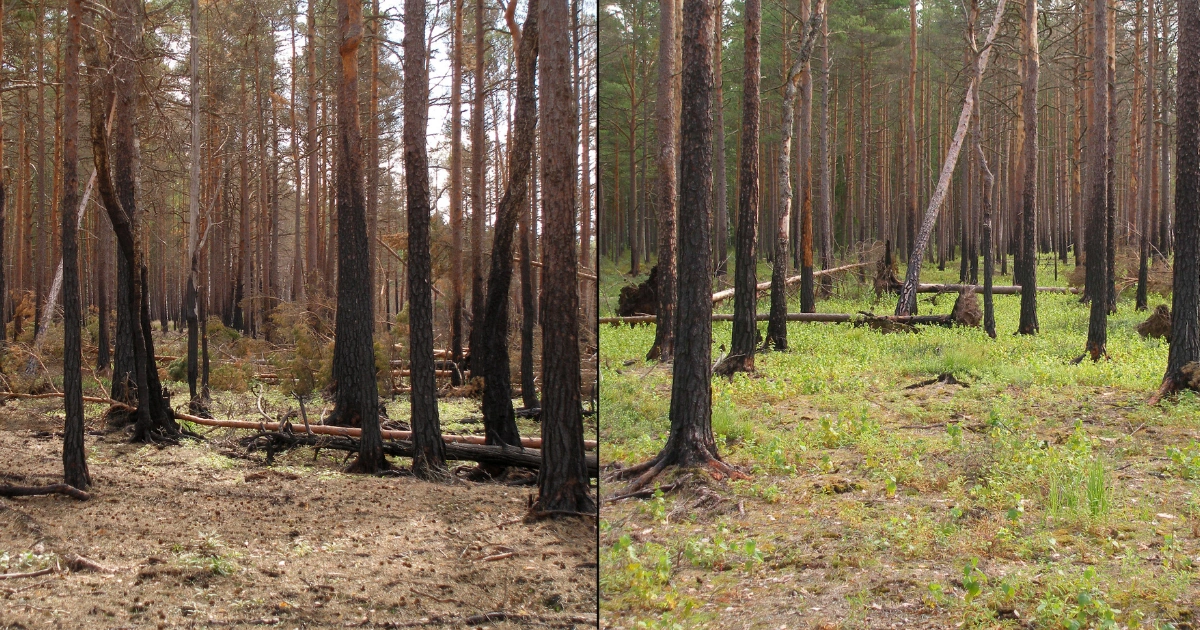
When farmland, pastures, or disturbed land are abandoned, nature begins a remarkable process of recovery. What may first appear as messy weeds and overgrowth is actually the beginning of a long ecological transformation known as ecological succession.
Over time, grasses replace bare soil, shrubs attract wildlife, young trees emerge, and eventually an entire woodland ecosystem can develop naturally without human planting.
This process reveals one of nature’s most powerful abilities: self-repair.
In this article, we explore how abandoned land gradually transforms into thriving habitat, why each stage matters, and what ecological succession teaches us about biodiversity and ecosystem resilience.
What Is Ecological Succession?
The primary keyword for this article is ecological succession.
Ecological succession is the gradual process through which ecosystems change and rebuild over time after disturbance.
These disturbances may include:
- Farming
- Logging
- Wildfires
- Flooding
- Storm damage
- Human development
As conditions change, different plants and animals colonize the area in predictable stages.
According to National Geographic Society, succession allows ecosystems to recover structure, biodiversity, and ecological function over time.
Year 1: Pioneer Plants and Weeds Take Over
The first stage of abandoned land recovery often looks chaotic.
Why “Weeds” Arrive First
Fast-growing pioneer species quickly colonize exposed soil because they are adapted to unstable environments.
Common pioneer plants include:
- Poppies
- Dandelions
- Thistles
- Ragweed
- Annual grasses
These plants help stabilize the soil and begin rebuilding biological activity underground.
How Pioneer Species Improve Soil
Early plants contribute by:
- Preventing erosion
- Adding organic matter
- Feeding insects
- Creating shade for future plants
Their roots also help loosen compacted soil left behind by machinery or tillage.
Years 2–3: Wildflower Meadows and Grasslands Form
As soil conditions improve, more plant diversity appears.
What Happens During Meadow Formation
Perennial grasses and flowering plants begin replacing many annual weeds.
This stage supports:
- Pollinators
- Butterflies
- Bees
- Small mammals
- Ground-nesting birds
Wildflower meadows often become biodiversity hotspots surprisingly quickly.
Why Meadows Matter Ecologically
Grassland stages provide critical habitat for species that may disappear once forests mature.
Many insects and birds depend specifically on open meadow ecosystems.
The Xerces Society for Invertebrate Conservation highlights the importance of flowering meadows for pollinator conservation and insect diversity.
Years 4–5: Shrubs and Bushes Create Wildlife Habitat
As taller vegetation develops, shrubs and thorny bushes begin establishing themselves.
Common Shrub Species
Depending on the region, this stage may include:
- Blackberry
- Hawthorn
- Dogwood
- Elderberry
- Wild rose
Wildlife Increases Dramatically
Shrub habitats support:
- Nesting birds
- Hedgehogs
- Foxes
- Rabbits
- Insects
The landscape becomes structurally more complex, creating shelter and food sources for larger animal communities.
Years 6–7: Young Trees Begin Emerging
Eventually, tree seedlings appear naturally.
How Trees Colonize the Area
Seeds arrive through:
- Wind
- Birds
- Mammals
- Existing nearby forests
Fast-growing pioneer trees often establish first.
Examples include:
- Birch
- Willow
- Aspen
- Pine
The Start of Early Woodland
As trees grow taller, they begin changing:
- Light levels
- Moisture retention
- Soil temperature
- Habitat structure
This creates conditions for woodland species to expand.
Years 8–10: Young Woodland Ecosystems Develop
At this stage, the abandoned field no longer resembles open farmland.
What Changes in Young Forests
Developing woodland provides:
- Cooler microclimates
- Deeper leaf litter
- Fungal networks
- Nesting habitat
Bird diversity often increases significantly as forest species move in.
Soil Recovery Accelerates
Fallen leaves and decomposing wood enrich the soil with organic matter and support fungi, insects, and microbes.
Healthy forest soil becomes increasingly complex underground.
Year 15 and Beyond: Mature Wildland Ecosystems
Over decades, ecological succession may eventually produce mature woodland or forest.
Characteristics of Mature Ecosystems
Older ecosystems typically contain:
- Layered vegetation
- Diverse wildlife
- Stable soils
- Rich fungal networks
- Complex food webs
At this stage, the ecosystem becomes more self-regulating and resilient.
Why Mature Forests Matter
Mature habitats support species that require:
- Large trees
- Dead wood
- Stable canopy cover
- Undisturbed nesting sites
Owls, woodpeckers, amphibians, and specialized insects often depend on these conditions.
Why Succession Is Important for Biodiversity
Every stage of succession supports different species.
Early Stages Support Pollinators
Meadows and grasslands provide nectar-rich flowers essential for insects.
Middle Stages Support Small Mammals and Birds
Shrubs create nesting cover and food sources.
Later Stages Support Forest Species
Woodland ecosystems offer shelter, stable humidity, and layered habitat structures.
Biodiversity increases because multiple habitat types appear over time.
Nature’s Ability to Heal Disturbed Land
Ecological succession demonstrates that nature can recover remarkably well when disturbances stop.
What Happens When Human Pressure Ends
Without constant plowing, mowing, or chemical treatment:
- Soil organisms recover
- Native plants return
- Wildlife recolonizes
- Water retention improves
This process is often called passive rewilding.
The Yale School of the Environment notes that natural regeneration can sometimes restore ecosystems more effectively than intensive artificial planting programs.
Why Pioneer Species Are So Important
People often remove pioneer plants because they appear messy or undesirable.
However, these species perform critical ecological work.
Pioneer Plants Prepare the Way
They help:
- Protect bare soil
- Improve fertility
- Retain moisture
- Feed insects
- Stabilize ecosystems
Without pioneer stages, later forest development would be far more difficult.
Ecological Succession and Climate Resilience
Recovering ecosystems also help buffer environmental stress.
Benefits of Natural Regrowth
Natural succession may improve:
- Carbon storage
- Flood control
- Drought resistance
- Pollinator habitat
- Wildlife movement corridors
Even small rewilded patches can support local biodiversity.
Frequently Asked Questions About Ecological Succession
What is ecological succession?
Ecological succession is the gradual natural recovery and transformation of ecosystems over time after disturbance.
How long does it take for a field to become a forest?
Depending on climate and location, early woodland may appear within 10–20 years, while mature forests can take many decades or centuries.
What are pioneer species?
Pioneer species are fast-growing plants that colonize disturbed ground first and prepare conditions for later species.
Do abandoned fields help wildlife?
Yes. Different succession stages support insects, birds, mammals, and pollinators at different times.
Is natural regeneration better than planting trees?
In some situations, natural regeneration creates more diverse and resilient ecosystems than large-scale monoculture planting.
Internal Linking Suggestions for secretsofthegreengarden.com
To strengthen topical relevance and improve engagement, consider internally linking this article to related content such as:
- “Why Wildflower Meadows Support More Pollinators”
- “How Healthy Soil Rebuilds Itself Naturally”
- “Garden Wildlife That Quietly Restores Ecosystems”
These related articles can help build stronger biodiversity and ecological gardening topic clusters.
Recommended External Resources
For science-based information on ecosystem recovery and biodiversity, consider referencing:
- National Geographic Society
- Xerces Society for Invertebrate Conservation
- Yale School of the Environment
Final Thoughts
Ecological succession is one of the clearest demonstrations of nature’s resilience. What begins as bare soil and weeds can gradually transform into meadows, shrublands, forests, and thriving wildlife habitat when given enough time.
Each stage plays an essential role in rebuilding biodiversity, improving soil, and restoring ecological balance.
Rather than seeing abandoned land as wasted space, ecological succession reveals it as an active process of renewal — a living example of how ecosystems heal themselves when disturbances finally stop.