
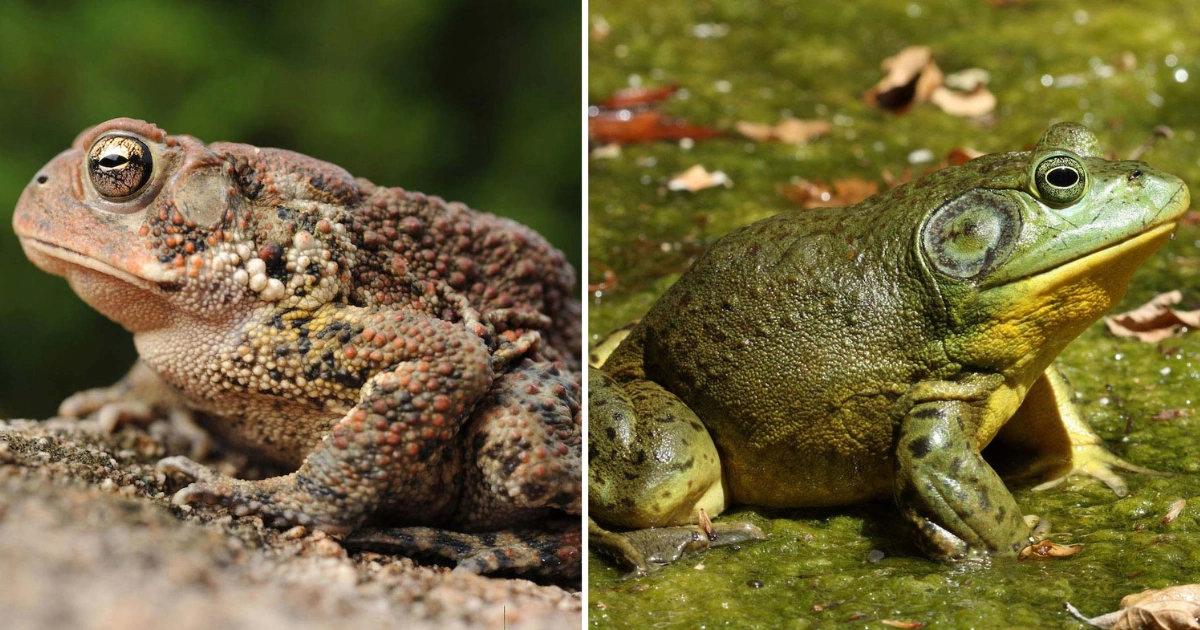
Frogs and toads are often confused because both belong to the amphibian order Anura. However, despite their similarities, these animals have important differences in appearance, behavior, habitat, and ecological role.
Understanding how to identify frogs and toads can help gardeners, wildlife enthusiasts, and homeowners better appreciate the biodiversity living around ponds, forests, wetlands, and backyard gardens.
This guide explains the main differences between frogs and toads, highlights common North American species, and explores why these amphibians are essential for healthy ecosystems.
Frog vs Toad: What Is the Main Difference?
The primary keyword for this article is difference between frogs and toads.
Although frogs and toads are closely related, they have evolved different body structures and survival strategies.
Typical Frog Characteristics
Most frogs have:
- Smooth moist skin
- Long powerful legs
- Slender bodies
- Strong jumping ability
- Close association with water
Frogs usually stay near ponds, marshes, streams, or damp environments because their skin loses moisture easily.
Typical Toad Characteristics
Most toads have:
- Dry bumpy skin
- Shorter legs
- Wider bodies
- Slower movement
- Greater tolerance for dry conditions
Toads can often survive farther from water than frogs.
According to Smithsonian National Zoo & Conservation Biology Institute, many toad species possess specialized skin adaptations that reduce water loss in drier habitats.
Why Frogs and Toads Are Important for Ecosystems
Both frogs and toads play major ecological roles.
Natural Pest Control
Many amphibians consume enormous numbers of insects every night.
They help control:
- Mosquitoes
- Beetles
- Slugs
- Flies
- Garden pests
An individual toad may eat dozens or even hundreds of insects in a single evening.
Food for Other Wildlife
Frogs and toads also serve as prey for:
- Birds
- Snakes
- Fish
- Mammals
- Larger amphibians
Healthy amphibian populations support entire food webs.
American Bullfrog: The Largest Native Frog in the United States
The American bullfrog is one of the best-known North American frogs.
Identifying Features
Bullfrogs typically have:
- Large muscular bodies
- Green or olive coloration
- Powerful hind legs
- Deep booming calls
Male bullfrogs possess large tympanums, or ear discs, often wider than their eyes.
Habitat
Bullfrogs prefer:
- Ponds
- Lakes
- Marshes
- Slow-moving water
They spend most of their lives close to permanent water sources.
American Toad: The Common Backyard Amphibian
The American toad is one of the most widespread toad species in North America.
Key Characteristics
American toads usually display:
- Dry warty skin
- Compact bodies
- Earth-toned camouflage
- Short hopping movement
Why Gardeners Benefit From Toads
Toads are excellent natural pest controllers.
They feed heavily on:
- Beetles
- Ants
- Slugs
- Caterpillars
Because they are nocturnal, many people rarely notice how active they become after sunset.
Green Frog: A Common Wetland Species
Green frogs are medium-sized amphibians often found near freshwater habitats.
Distinctive Traits
Green frogs usually feature:
- Bright green or bronze coloration
- Ridge lines along the back
- Strong swimming ability
They are especially common around ponds and marsh edges.
Spring Peeper: Tiny Frog With a Loud Voice
Despite its small size, the spring peeper produces one of the loudest amphibian calls relative to body size.
Identification
Spring peepers are known for:
- Tiny body size
- X-shaped marking on the back
- High-pitched nighttime chorus
Their calls are among the earliest signs of spring in many regions.
Tree Frogs: Masters of Climbing
Tree frogs possess specialized toe pads that allow them to cling to vegetation and surfaces.
Unique Adaptations
Tree frogs often have:
- Sticky toe pads
- Bright coloration
- Excellent climbing ability
Many species spend much of their lives in shrubs and trees rather than on the ground.
Pickerel Frog: A Toxic Defense Strategy
Pickerel frogs are notable for their spotted patterns and defensive skin secretions.
Identifying Features
They commonly display:
- Square-shaped dark spots
- Light-colored dorsal stripes
- Smooth moist skin
Their skin secretions can irritate predators and help deter attacks.
Fowler’s Toad and Similar Species
Several North American toad species closely resemble each other.
Fowler’s toad is often confused with the American toad because both share:
- Brown coloration
- Warty skin
- Similar body shape
Subtle differences in wart patterns and calls help researchers distinguish them.
Why Amphibians Need Moist Environments
Amphibian skin plays an important role in breathing and moisture regulation.
How Amphibians Breathe Through Skin
Many frogs and toads partially absorb oxygen directly through their skin.
This makes them highly sensitive to:
- Pollution
- Dry conditions
- Chemical exposure
Healthy wetlands are essential for amphibian survival.
According to U.S. Environmental Protection Agency, amphibians are important environmental indicators because they respond quickly to habitat and water quality changes.
Why Frog and Toad Populations Are Declining
Amphibians worldwide face serious threats.
Main Causes of Decline
Population declines are linked to:
- Habitat destruction
- Wetland drainage
- Pollution
- Climate change
- Pesticide use
- Disease outbreaks
Because amphibians are sensitive to environmental changes, their decline often signals broader ecological problems.
How to Make Your Garden Amphibian-Friendly
Simple garden changes can help support local frogs and toads.
Provide Water Sources
Small ponds or shallow water dishes help amphibians stay hydrated.
Reduce Chemical Use
Avoid unnecessary pesticides and herbicides that may harm amphibians directly or poison their insect prey.
Create Shelter
Frogs and toads benefit from:
- Leaf litter
- Logs
- Rock piles
- Dense vegetation
These areas provide cool hiding spots during hot weather.
Frogs vs Toads: Quick Comparison
Frogs
Most frogs have:
- Smooth moist skin
- Long legs
- Better jumping ability
- Strong connection to water
Toads
Most toads have:
- Dry bumpy skin
- Shorter legs
- Better tolerance for dry land
- Slower hopping movement
Frequently Asked Questions About Frogs and Toads
What is the difference between frogs and toads?
Frogs usually have smooth moist skin and long legs, while toads generally have dry bumpy skin and shorter legs.
Are toads poisonous?
Most toads produce mild defensive toxins through their skin glands, but they are generally harmless to humans when left undisturbed.
Why are frogs important for gardens?
Frogs help control insect populations naturally and contribute to balanced ecosystems.
Can frogs and toads live in the same area?
Yes. Many habitats support both frogs and toads simultaneously.
Why are amphibians considered environmental indicators?
Their sensitive skin and aquatic life stages make them highly vulnerable to pollution and habitat changes.
Internal Linking Suggestions for secretsofthegreengarden.com
To strengthen topical authority and improve engagement, consider internally linking this article to related content such as:
- “Why Garden Wildlife Improves Ecosystem Health”
- “How Wetlands Support Biodiversity”
- “Night Creatures That Quietly Protect Your Garden”
These related articles can help build stronger wildlife and ecological gardening topic clusters.
Recommended External Resources
For science-based amphibian information and conservation resources, consider referencing:
- Smithsonian National Zoo & Conservation Biology Institute
- U.S. Environmental Protection Agency
- AmphibiaWeb
Final Thoughts
Frogs and toads may appear similar at first glance, but each group possesses unique adaptations shaped by millions of years of evolution. Frogs are usually sleek, moisture-dependent jumpers tied closely to water, while toads are sturdier, drier-skinned amphibians capable of living farther from wetlands.
Both are incredibly important for ecosystem balance, pest control, and biodiversity.
Protecting amphibians through healthy gardens, reduced chemical use, and wetland conservation helps support not only frogs and toads, but entire interconnected ecosystems as well.