
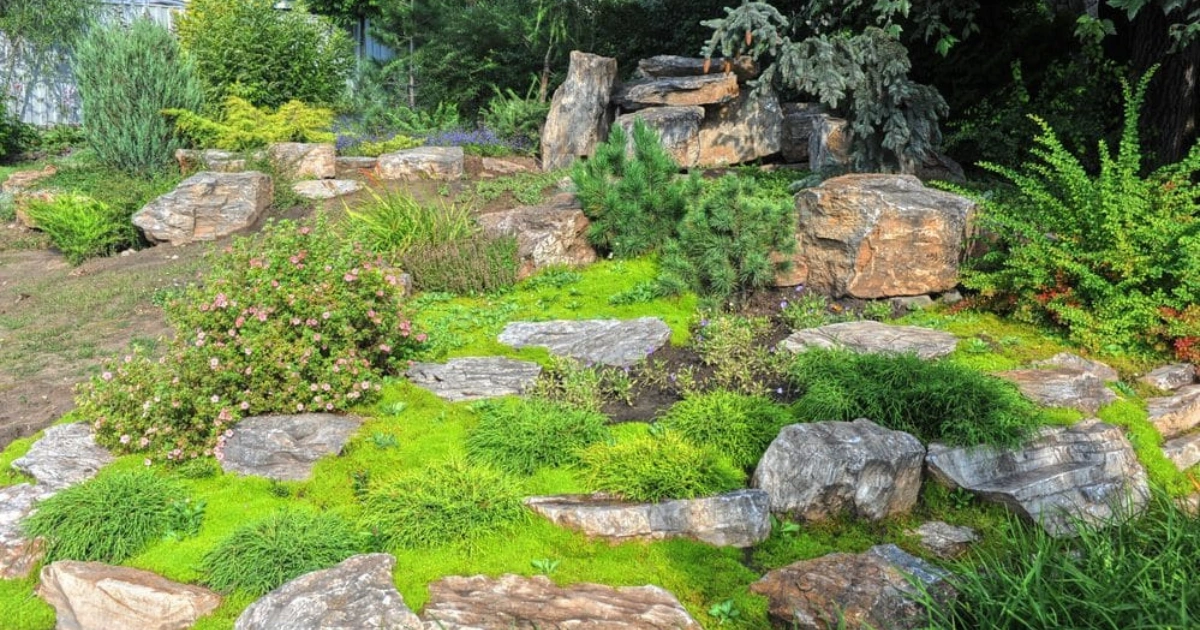
Traditional grass lawns have long been considered the standard for residential landscapes, but maintaining them often requires enormous amounts of water, mowing, fertilizer, and chemical treatments. In many regions, conventional turf grass also struggles during drought, heat waves, and changing climate conditions.
As a result, more homeowners are replacing sections of lawn with low-maintenance groundcovers and native alternatives that require fewer resources while supporting pollinators and soil health.
This guide explores some of the best lawn replacement plants, how they compare to traditional grass, and which options work best for different climates and garden conditions.
Why Traditional Grass Lawns Are Resource-Intensive
The primary keyword for this article is lawn alternatives.
Conventional turf lawns often demand intensive maintenance, including:
- Frequent watering
- Weekly mowing
- Fertilizers
- Herbicides
- Pesticides
In hot climates, lawns may require thousands of gallons of water annually to remain green.
According to U.S. Environmental Protection Agency, outdoor residential water use in the United States accounts for nearly 30% of household water consumption, much of it dedicated to lawn irrigation.
Creeping Thyme: Fragrant and Pollinator-Friendly
Creeping thyme is one of the most popular flowering lawn alternatives.
Why Gardeners Love Creeping Thyme
This low-growing herb provides:
- Drought tolerance
- Fragrant foliage
- Summer flowers
- Pollinator support
Its purple blooms attract bees and other beneficial insects throughout the growing season.
Best Growing Conditions
Creeping thyme performs best in:
- Full sun
- Well-drained soil
- Moderate foot traffic areas
Once established, it requires far less watering than traditional turf grass.
Dutch White Clover: The Self-Fertilizing Lawn Alternative
Dutch white clover has become increasingly popular as a low-maintenance lawn replacement.
Benefits of Clover Lawns
Clover naturally:
- Fixes nitrogen in soil
- Stays green longer during drought
- Supports pollinators
- Requires less mowing
Unlike traditional lawns, clover rarely needs synthetic fertilizer.
Why Clover Helps Soil
As a legume, clover works with beneficial bacteria to improve soil fertility naturally.
This reduces dependence on chemical lawn treatments.
Buffalo Grass: Native Prairie Resilience
Buffalo grass is a native North American prairie grass known for exceptional drought resistance.
Why Buffalo Grass Uses Less Water
Buffalo grass evolved in dry grassland ecosystems and survives with minimal irrigation once established.
It also:
- Tolerates heat
- Requires infrequent mowing
- Develops deep roots
Important Seasonal Characteristic
Buffalo grass may go dormant and turn tan during extended drought periods, which is a natural survival strategy rather than a sign of death.
Creeping Jenny: A Shade-Friendly Groundcover
Creeping Jenny spreads quickly and works especially well in shaded or partially shaded areas.
Best Uses for Creeping Jenny
It is commonly used for:
- Under trees
- Pathway edges
- Moist garden zones
- Decorative groundcover
Its bright lime-green foliage creates strong visual contrast in landscapes.
Moisture Needs
Unlike drought-tolerant thyme or buffalo grass, Creeping Jenny prefers:
- Consistently moist soil
- Partial shade
- Cooler root conditions
Wild Violet: Native Flowers for Biodiversity
Wild violets are often treated as weeds in traditional lawns, but they provide important ecological value.
Why Wild Violets Matter
These native plants support:
- Pollinators
- Butterfly caterpillars
- Early-season insects
Some fritillary butterfly species rely specifically on violets as larval host plants.
Lawn Benefits
Wild violets can tolerate:
- Partial shade
- Moist soil
- Low mowing frequency
Their purple flowers also add seasonal visual interest.
The Xerces Society for Invertebrate Conservation highlights the importance of native flowering plants for pollinator conservation and insect biodiversity.
Moss Lawns: The Ultra-Low-Maintenance Option
Moss lawns are becoming increasingly popular in shaded, damp environments.
Advantages of Moss
Moss requires:
- No mowing
- No fertilizer
- Minimal maintenance
It forms soft green carpets in areas where grass struggles to grow.
Best Conditions for Moss Lawns
Moss thrives in:
- Shade
- Moist environments
- Acidic soil
- Low foot traffic areas
Because moss lacks true roots, it absorbs water directly through its surface.
Lawn Alternatives vs Traditional Grass
Many lawn replacement plants dramatically reduce maintenance demands.
Traditional Grass Lawns Often Require
- Frequent irrigation
- Weekly mowing
- Fertilization
- Weed control
- Pesticides
Alternative Groundcovers Often Require
- Less water
- Reduced mowing
- Fewer chemicals
- Lower maintenance overall
Some alternatives eliminate mowing entirely once established.
Environmental Benefits of Lawn Alternatives
Replacing even part of a lawn can improve local ecosystems.
Reduced Water Consumption
Drought-tolerant plants use far less irrigation than turf grass.
Improved Pollinator Habitat
Flowering alternatives provide nectar and shelter for:
- Bees
- Butterflies
- Beneficial insects
Better Soil Health
Deep-rooted plants improve:
- Soil structure
- Water infiltration
- Organic matter content
Lower Chemical Use
Many lawn alternatives reduce the need for herbicides and synthetic fertilizers.
The National Wildlife Federation encourages replacing portions of conventional lawns with native or pollinator-friendly plants to support biodiversity.
Choosing the Best Lawn Alternative for Your Yard
The best option depends on climate, sunlight, and intended use.
Best Lawn Alternatives for Full Sun
Good choices include:
- Creeping thyme
- Buffalo grass
- Clover
Best Lawn Alternatives for Shade
Shade-tolerant options include:
- Moss
- Creeping Jenny
- Wild violets
Best for Pollinators
Flowering groundcovers such as:
- Thyme
- Clover
- Wild violets
provide valuable pollinator habitat.
Can Lawn Alternatives Handle Foot Traffic?
Some alternatives tolerate walking better than others.
Moderate Foot Traffic Options
These handle occasional use relatively well:
- Creeping thyme
- Clover
- Buffalo grass
Low Foot Traffic Options
These are better suited for decorative or quiet zones:
- Moss
- Creeping Jenny
How to Transition Away From Traditional Lawn
Replacing a lawn gradually is often easier than removing everything at once.
Simple Transition Methods
Many gardeners begin by:
- Replacing small sections
- Creating pollinator islands
- Expanding garden beds
- Converting shaded problem areas first
This approach reduces maintenance while allowing experimentation with different plants.
Frequently Asked Questions About Lawn Alternatives
What is the best low-maintenance lawn alternative?
Clover, buffalo grass, and moss are among the most popular low-maintenance lawn replacements depending on climate and sunlight.
Do lawn alternatives attract bees?
Flowering groundcovers such as thyme and clover attract pollinators, including bees and butterflies.
Which lawn alternative requires no mowing?
Moss lawns generally require no mowing at all.
Are lawn alternatives drought-tolerant?
Many alternatives, especially buffalo grass and creeping thyme, use significantly less water than traditional turf grass.
Can lawn alternatives replace an entire lawn?
Yes. Many homeowners replace all or part of traditional turf with mixed groundcovers and native plants.
Internal Linking Suggestions for secretsofthegreengarden.com
To improve topical authority and reader engagement, consider internally linking this article to related content such as:
- “Why Wildflower Meadows Support More Pollinators”
- “How Mulch Helps Soil Retain Moisture Naturally”
- “Native Plants That Thrive With Almost No Water”
These related articles can strengthen ecological gardening and sustainable landscaping topic clusters.
Recommended External Resources
For science-based landscaping and water conservation information, consider referencing:
- U.S. Environmental Protection Agency
- Xerces Society for Invertebrate Conservation
- National Wildlife Federation
Final Thoughts
Traditional lawns require enormous amounts of water, maintenance, and chemical input compared to many alternative groundcovers. Replacing even part of a lawn with drought-tolerant or pollinator-friendly plants can significantly reduce maintenance while improving biodiversity and soil health.
Whether using creeping thyme, clover, buffalo grass, moss, or native flowers, lawn alternatives offer a more sustainable and ecologically supportive approach to landscaping.
In many cases, the healthiest and most resilient landscapes are not the most heavily maintained — they are the ones designed to work with nature rather than against it.