
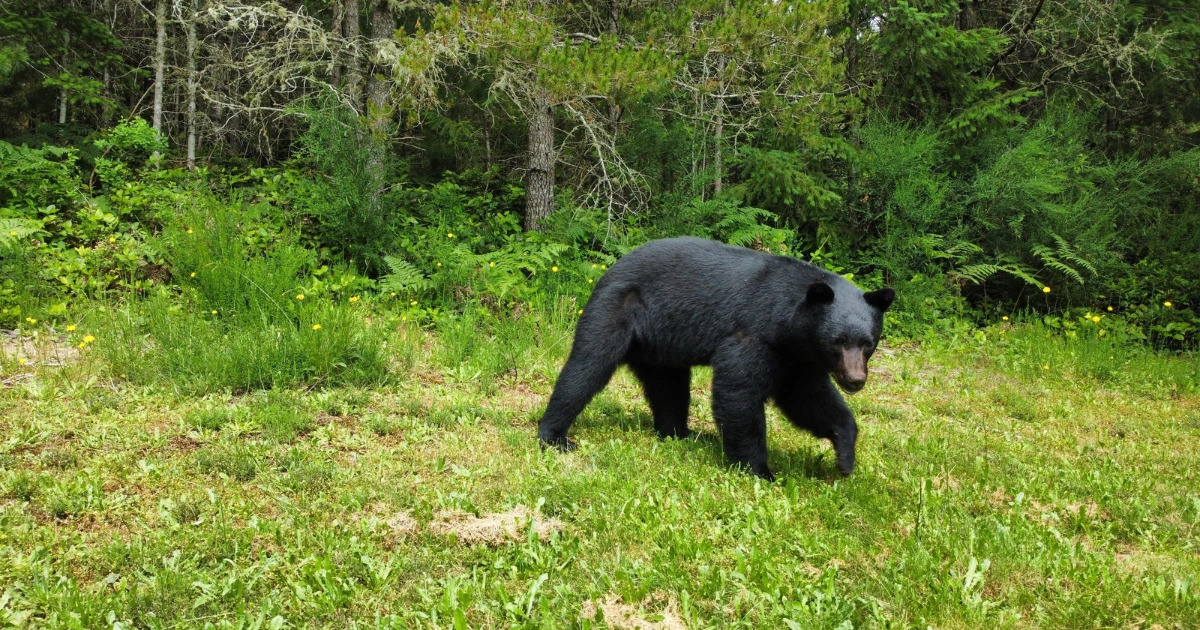
Seeing a black bear in your yard can feel alarming, especially if you live near forests, mountains, or rural neighborhoods where wildlife encounters are becoming more common. However, most black bears are not naturally aggressive toward humans. In the majority of cases, they are simply searching for food.
Understanding black bear behavior is essential for staying safe and preventing repeat visits. Small mistakes such as leaving bird feeders out or storing garbage improperly can unintentionally attract bears into residential areas.
This guide explains how to identify black bears, what to do during an encounter, what attracts bears to yards, and how homeowners can reduce the risk of future visits safely and responsibly.
Understanding Black Bear Behavior
The primary keyword for this article is black bear in your yard.
Black bears are highly intelligent and adaptable animals with powerful senses of smell. Their behavior is usually motivated by food availability rather than aggression.
Black Bear Characteristics
Black bears may appear in several color variations, including:
- Black
- Dark brown
- Cinnamon
- Occasionally blond tones
Unlike grizzly bears, black bears generally:
- Lack a pronounced shoulder hump
- Have straighter facial profiles
- Possess shorter claws
- Are smaller overall
Adult black bears commonly weigh between:
- 200 and 600 pounds
Size varies significantly depending on region, age, food access, and sex.
According to National Park Service, black bears are naturally cautious animals that usually avoid direct conflict with humans.
Why Bears Enter Residential Areas
Most bears enter neighborhoods because they detect easy food sources.
A Bear’s Sense of Smell Is Extremely Powerful
Black bears can detect odors from remarkable distances.
Common attractants include:
- Bird feeders
- Pet food
- Compost piles
- Garbage cans
- Fallen fruit
- Outdoor grills
Once a bear successfully finds food in a yard, it may return repeatedly.
What to Do if You See a Black Bear in Your Yard
Your response during an encounter matters greatly.
Stay Calm
Most black bears are nervous rather than aggressive.
Avoid panicking or screaming.
Speak in a Firm Normal Voice
Let the bear recognize you as a human.
Calm, confident speech helps reduce surprise and confusion.
Make Yourself Look Larger
If safe to do so:
- Stand upright
- Raise your arms slowly
- Stay visible
This may encourage the bear to leave the area.
Back Away Slowly
Move toward shelter or indoors gradually without sudden movements.
Always leave the bear a clear escape route.
Cornered animals are more likely to react defensively.
What You Should Never Do Around a Black Bear
Certain actions can increase danger during an encounter.
Never Run
Running may trigger a chase response.
Even though black bears usually avoid conflict, they can move extremely fast over short distances.
Avoid High-Pitched Screaming
Sudden shrill noises may increase agitation or confusion.
Do Not Approach the Bear
Never attempt to:
- Feed the bear
- Take close photos
- Corner it
- Stand between a mother and cubs
Never Leave Food Accessible
Intentional or accidental feeding encourages bears to lose their natural fear of humans.
This creates long-term risks for both people and wildlife.
The BearWise Organization emphasizes that food-conditioned bears are far more likely to become repeat visitors in residential areas.
Common Things That Attract Bears to Yards
Preventing attractants is the most effective long-term solution.
Bird Feeders
Bird seed is one of the biggest residential bear attractants.
During active bear seasons, wildlife agencies often recommend removing feeders entirely.
Garbage
Accessible trash cans strongly attract bears because they contain concentrated food odors.
Compost Piles
Compost containing food scraps can lure bears into neighborhoods.
Pet Food Outdoors
Even small amounts of pet food left outside overnight may attract wildlife.
Fruit Trees
Fallen fruit beneath trees creates easy feeding opportunities.
How to Bear-Proof Your Property
Simple prevention measures greatly reduce the likelihood of encounters.
Use Bear-Resistant Garbage Containers
Secure lids and odor-resistant storage systems help reduce attraction.
Store Trash Indoors Until Collection Day
Avoid placing garbage outside overnight.
Remove Bird Feeders During Active Seasons
Especially in spring and fall when natural food sources fluctuate.
Clean Outdoor Cooking Areas
Grease and food residue from grills can attract bears.
Harvest Fruit Quickly
Remove fallen fruit regularly from yards and gardens.
Are Black Bears Dangerous?
Black bears are powerful wild animals and should always be treated with caution.
However, attacks are relatively rare compared to the number of human-bear encounters each year.
Most Black Bears Want to Avoid Humans
In most cases, bears will leave once they realize people are nearby.
Aggressive behavior is more likely when:
- Food conditioning has occurred
- Cubs are nearby
- The animal feels trapped
- A bear is startled unexpectedly
Black Bears vs Grizzly Bears
People often confuse black bears and grizzlies.
Black Bears Typically Have
- No shoulder hump
- Taller ears
- Straighter face profile
- Smaller body size
Grizzly Bears Typically Have
- Large shoulder hump
- Concave facial profile
- Longer claws
- Bulkier body structure
Correct identification matters because recommended safety responses may differ slightly between species.
Why Feeding Bears Is Harmful
Feeding wildlife may seem compassionate, but it creates dangerous behavioral changes.
Food-Conditioned Bears Lose Natural Fear
Bears that repeatedly access human food become:
- More persistent
- More likely to enter neighborhoods
- More likely to approach people
Unfortunately, food-conditioned bears are also more likely to be relocated or euthanized by wildlife authorities.
The U.S. Fish & Wildlife Service stresses that preventing access to food is one of the most important strategies for reducing human-bear conflict.
How Climate and Habitat Changes Affect Bear Encounters
Human expansion into forested areas increases overlap between wildlife and residential spaces.
Additional factors include:
- Habitat fragmentation
- Drought
- Natural food shortages
- Urban expansion
As bear habitats shrink or food availability changes, encounters may become more common.
Frequently Asked Questions About Black Bears
What should I do if a black bear approaches me?
Stay calm, speak firmly, make yourself appear larger, and slowly back away while giving the bear an escape route.
Will black bears attack humans?
Most black bears avoid people, and attacks are rare. However, they are still powerful wild animals that should never be approached.
What attracts black bears to yards?
Common attractants include bird feeders, garbage, compost, pet food, grills, and fallen fruit.
Should I run from a black bear?
No. Running may trigger pursuit behavior.
How can I stop bears from visiting my property?
Remove food sources, secure garbage, clean outdoor cooking areas, and eliminate attractants consistently.
Internal Linking Suggestions for secretsofthegreengarden.com
To strengthen topical authority and improve engagement, consider internally linking this article to related content such as:
- “Why Wildlife Visits Your Backyard at Night”
- “How Natural Food Chains Shape Forest Ecosystems”
- “Animals With the Strongest Sense of Smell”
These related articles can help build stronger wildlife and ecology topic clusters.
Recommended External Resources
For science-based wildlife safety information, consider referencing:
Final Thoughts
A black bear in your yard is usually searching for food rather than conflict. Understanding bear behavior and removing attractants are the most effective ways to reduce encounters safely.
Most black bears remain naturally cautious around humans, but easy access to food can quickly change their behavior. Responsible wildlife practices protect not only people and pets, but also the bears themselves.
By securing garbage, removing attractants, and responding calmly during encounters, homeowners can help reduce unnecessary conflict while supporting safer coexistence with wildlife.