
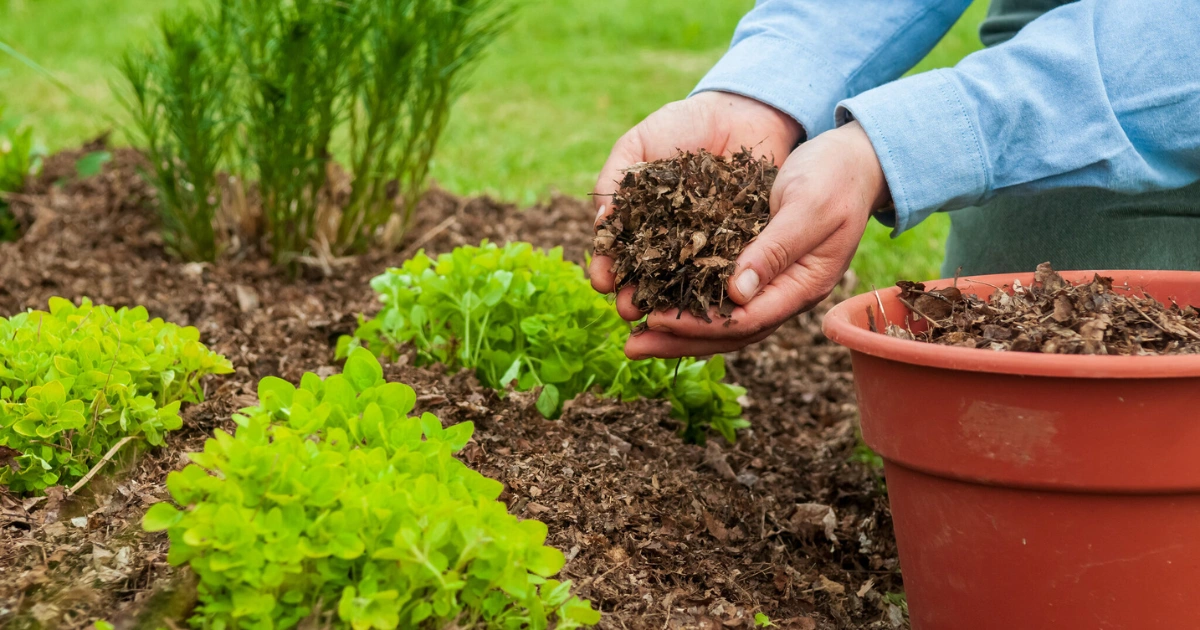
Mulch does far more than improve the appearance of a garden bed. The material you spread around your plants directly affects soil moisture, microbial life, root health, nutrient cycling, and long-term fertility.
Different mulch types create completely different underground environments. Some support healthy soil ecosystems filled with worms and fungi, while others can slowly damage soil biology over time.
Understanding how mulch works below the surface can help gardeners improve plant growth naturally while reducing watering, weeds, and soil stress.
In this guide, you will learn how common mulch materials affect your garden, which mulch works best for different plants, and which options should be used carefully.
Why Mulch Matters More Than Most Gardeners Realize
The primary keyword for this article is best mulch for garden soil.
Healthy soil is alive. Beneath every productive garden lies a complex ecosystem of bacteria, fungi, insects, organic matter, and moisture channels that support plant roots.
Mulch protects that ecosystem in several important ways:
- Reduces water evaporation
- Stabilizes soil temperature
- Suppresses weeds
- Prevents erosion
- Feeds beneficial microbes
- Improves soil structure over time
However, not all mulch materials behave the same way underground.
Some enrich soil naturally, while others create compacted, overheated, or biologically inactive conditions.
Wood Chips: Excellent for Long-Term Soil Health
Wood chips are one of the most effective mulch materials for trees, shrubs, and perennial beds.
As the chips slowly break down, they feed fungi and microorganisms that help create rich, moisture-retaining soil.
Benefits of Wood Chip Mulch
Wood chips provide:
- Strong moisture retention
- Long-lasting weed suppression
- Cooler root zones during heat
- Increased fungal activity
- Improved soil structure
Wood chips are especially useful around:
- Fruit trees
- Ornamental shrubs
- Native plant gardens
- Pathways between beds
According to University of California Agriculture and Natural Resources, coarse organic mulches like wood chips improve water conservation and support healthier soil ecosystems.
Potential Drawbacks
Fresh wood chips may temporarily reduce available nitrogen at the soil surface while decomposing. This usually affects shallow-rooted annual vegetables more than established plants.
For vegetable gardens, partially composted chips are often a safer option.
Straw Mulch: Ideal for Vegetable Gardens
Straw is widely used in edible gardens because it is lightweight, breathable, and easy to spread.
It provides moderate moisture retention while allowing air circulation around roots.
Best Uses for Straw Mulch
Straw works particularly well for:
- Tomatoes
- Strawberries
- Garlic
- Potatoes
- Raised vegetable beds
Because straw breaks down faster than wood chips, it gradually contributes organic matter to the soil.
Important Difference Between Straw and Hay
Many gardeners accidentally use hay instead of straw.
Hay often contains weed seeds that can quickly create major weed problems in garden beds. Straw, by contrast, usually contains far fewer seeds because it comes from harvested grain stalks.
Black Plastic Sheeting: Effective but Risky for Living Soil
Black plastic is commonly used for weed suppression and heat retention. While it can warm soil quickly in spring, it may also create unhealthy underground conditions over time.
Problems With Plastic Mulch
Plastic sheeting can:
- Overheat soil during hot weather
- Limit oxygen exchange
- Reduce microbial diversity
- Prevent natural decomposition
- Increase soil compaction
In warm climates, black plastic may create extremely high root-zone temperatures that stress plants rather than help them.
Many soil experts recommend limiting plastic use in long-term living garden systems.
The USDA Natural Resources Conservation Service emphasizes the importance of maintaining organic matter and biological activity for healthy soil function.
When Plastic Mulch Can Be Useful
Despite its drawbacks, black plastic may still serve temporary purposes such as:
- Solarizing weed-infested beds
- Warming early-season planting rows
- Reducing weeds in commercial production
However, it is generally less beneficial for permanent ecological gardening systems.
Shredded Leaves: One of the Best Natural Mulches Available
Shredded leaves are often considered one of the most valuable free mulch resources available to gardeners.
Leaves naturally mimic the forest floor, where plant debris continuously feeds soil organisms.
Why Leaves Improve Soil So Well
Leaf mulch supports:
- Earthworm activity
- Fungal networks
- Moisture balance
- Slow nutrient release
- Improved soil texture
Unlike synthetic materials, decomposing leaves actively build soil fertility over time.
Best Practices for Leaf Mulching
Whole leaves can mat together and block airflow. Shredding leaves before applying them creates a lighter, more breathable mulch layer.
A depth of two to four inches is usually ideal for most garden beds.
Gravel and Stone: Decorative but Limited for Plant Health
Stone mulch behaves very differently from organic mulch materials.
Although gravel can improve drainage in some situations, it does not contribute nutrients or organic matter to the soil.
Downsides of Gravel Mulch
Stone surfaces often:
- Retain heat excessively
- Increase soil temperature
- Dry surrounding roots faster
- Reduce biological activity
- Make soil harder to improve later
In hot climates, gravel can create extremely warm root environments that stress moisture-sensitive plants.
Best Uses for Gravel
Gravel is more suitable for:
- Pathways
- Dry xeriscape landscapes
- Drainage zones
- Succulent gardens
For most vegetable gardens and moisture-loving plants, organic mulches usually perform better.
Organic Mulch vs Inorganic Mulch
Understanding the difference between organic and inorganic mulch helps gardeners choose the right material.
Organic Mulches
Organic mulches break down naturally and improve soil over time.
Examples include:
- Wood chips
- Straw
- Leaves
- Compost
- Pine needles
Benefits include improved microbial activity, better water retention, and enhanced fertility.
Inorganic Mulches
Inorganic mulches do not decompose easily.
Examples include:
- Plastic sheeting
- Landscape fabric
- Gravel
- Rubber mulch
These materials may suppress weeds but generally contribute little to long-term soil health.
How Mulch Supports Soil Microorganisms
Healthy soil depends on billions of microorganisms working beneath the surface.
These organisms help:
- Break down organic matter
- Release nutrients to roots
- Improve water infiltration
- Reduce disease pressure
Organic mulches act as food sources for these living systems.
Research from Penn State Extension shows that organic mulching practices improve soil biological activity and help maintain healthier growing conditions.
Choosing the Best Mulch for Different Garden Areas
Different plants benefit from different mulch materials.
Best Mulch for Vegetable Gardens
Recommended options:
- Straw
- Shredded leaves
- Compost blends
These materials break down quickly and support active soil life.
Best Mulch for Trees and Shrubs
Recommended options:
- Wood chips
- Bark mulch
- Leaf mulch
These provide long-term moisture control and fungal support.
Best Mulch for Dry Landscapes
Recommended options:
- Gravel
- Stone
- Mineral mulch
These work best for drought-tolerant plants adapted to hot, dry conditions.
Common Mulching Mistakes to Avoid
Even good mulch can create problems if applied incorrectly.
Applying Mulch Too Deeply
Excessively thick mulch layers can block oxygen and trap excess moisture.
Most organic mulches work best at:
- 2–4 inches deep for garden beds
- Slightly thinner around vegetables
Piling Mulch Against Tree Trunks
“Mulch volcanoes” trap moisture against bark and encourage rot and pests.
Always leave a small gap around trunks and stems.
Using Dyed or Contaminated Mulch
Some colored mulches may contain treated wood or contaminants unsuitable for edible gardens.
Natural untreated mulch is generally safer for food production.
Frequently Asked Questions About Garden Mulch
What is the best mulch for garden soil?
Organic mulches such as shredded leaves, straw, and wood chips are typically the best choices because they improve soil biology and retain moisture naturally.
Can mulch improve poor soil?
Yes. Organic mulch gradually breaks down and adds organic matter, improving texture, fertility, and microbial life over time.
Is black plastic bad for gardens?
Black plastic can suppress weeds effectively, but long-term use may reduce soil biological activity and increase overheating in some climates.
How often should mulch be replaced?
Organic mulch usually needs replenishing once or twice per year depending on decomposition speed and weather conditions.
Should mulch touch plant stems?
No. Keeping mulch slightly away from stems and trunks helps prevent rot and fungal problems.
Internal Linking Suggestions for secretsofthegreengarden.com
To strengthen topical SEO relevance, consider internally linking this article to related content such as:
- “How to Improve Clay Soil Naturally”
- “Best Companion Plants for Raised Beds”
- “Why Healthy Soil Is the Foundation of Every Garden”
These internal links can improve user engagement and help search engines better understand topical relationships across the website.
Recommended External Resources
For evidence-based gardening and soil health information, reference:
- University of California Agriculture and Natural Resources
- USDA Natural Resources Conservation Service
- Penn State Extension
Final Thoughts
Mulch is not just decorative ground cover. It directly shapes the underground environment where roots, microbes, fungi, and beneficial organisms interact.
Choosing the right mulch can improve moisture retention, increase soil fertility, reduce plant stress, and support long-term garden health naturally.
Organic mulches such as wood chips, straw, and shredded leaves generally provide the greatest benefits for living soil systems. In contrast, synthetic or mineral mulches may solve specific problems but often contribute less to biological soil improvement.
The healthiest gardens are usually built from the soil upward, and mulch is one of the most powerful tools gardeners can use to support that process.