
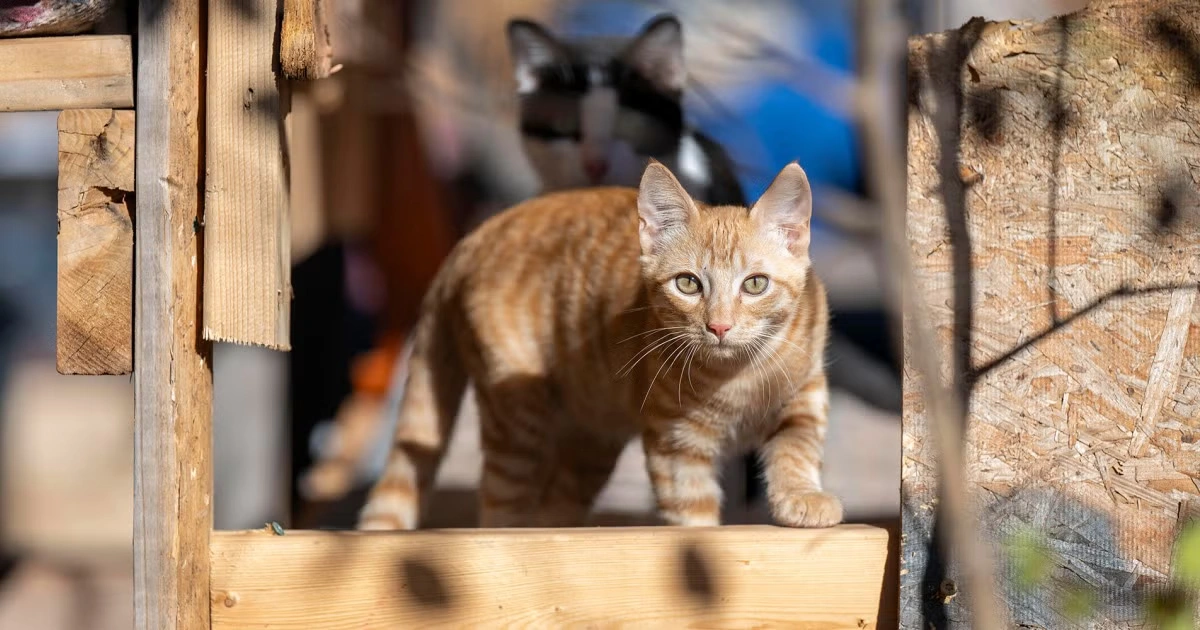
Community cats are part of daily life in many neighborhoods. Some were born outdoors, while others were abandoned after living with people. Although many appear independent, outdoor cats often face serious dangers that shorten their lives and impact their health.
Understanding the challenges these animals face is the first step toward creating safer, healthier communities for both cats and humans. From hunger and disease to harsh weather and unsafe environments, community cats rely heavily on compassionate people and responsible local programs for survival.
This guide explains the most common struggles faced by community cats, practical ways to help, and why humane population management matters.
What Are Community Cats?
The primary keyword for this article is community cats.
Community cats are unowned or loosely owned cats that live outdoors. Some are feral and avoid human contact entirely, while others are social cats abandoned by former owners or cared for informally by neighborhood residents.
These cats may live in alleys, parks, farms, industrial areas, or residential neighborhoods. In many cities, they form colonies where food and shelter are available.
Unlike indoor pets, community cats face daily risks that affect their health, safety, and survival.
Why Community Cats Face Serious Challenges
Life outdoors is unpredictable for cats. Even skilled hunters struggle to survive in urban and suburban environments.
Food Insecurity and Malnutrition
One of the biggest problems for community cats is inconsistent access to food.
Cats scavenging near dumpsters or surviving on scraps rarely receive balanced nutrition. Over time, poor diets weaken their immune systems and increase vulnerability to illness.
Malnourished cats may experience:
- Weight loss
- Dehydration
- Poor coat condition
- Dental problems
- Increased risk of infection
Kittens are especially vulnerable because they require consistent calories and hydration during early development.
Exposure to Extreme Weather
Outdoor cats must endure every season without reliable shelter.
In winter, freezing temperatures can lead to hypothermia and frostbite. During summer heat waves, dehydration and heat stress become major threats.
Rainstorms, snow, and strong winds also increase the risk of illness, particularly for young or elderly cats.
Simple insulated shelters can dramatically improve survival rates during harsh weather conditions.
Untreated Illness and Injury
Without veterinary care, community cats often suffer from untreated diseases and injuries.
Common health issues include:
- Respiratory infections
- Parasites such as fleas and worms
- Ear infections
- Abscesses from fights
- Eye injuries
- Dental disease
Outdoor cats can also spread contagious illnesses within colonies if they are not vaccinated or sterilized.
According to the American Veterinary Medical Association, vaccination and spay-neuter programs play a major role in improving feline welfare and reducing disease transmission.
Risks From Traffic and Predators
Road traffic is one of the leading causes of injury and death for outdoor cats.
Community cats may also encounter threats from:
- Coyotes
- Dogs
- Larger wildlife
- Toxic chemicals
- Human cruelty
In densely populated areas, even construction sites and abandoned buildings can become dangerous environments.
Overpopulation and Reproduction
Unsterilized cats reproduce quickly.
A single pair of cats can contribute to dozens of kittens within a short period if breeding cycles continue unchecked. Many kittens born outdoors do not survive due to disease, starvation, or exposure.
This cycle creates growing colonies that strain local shelters and rescue organizations.
The Importance of Trap-Neuter-Return Programs
One of the most effective and humane approaches to managing community cat populations is Trap-Neuter-Return, commonly called TNR.
Under a TNR program:
- Cats are safely trapped
- They receive veterinary care
- They are spayed or neutered
- Vaccinations are administered
- The cats are returned to their outdoor territory
TNR programs help stabilize colonies over time by preventing new litters.
Research supported by Alley Cat Allies shows that sterilized cat colonies often experience lower population growth, reduced fighting, and fewer nuisance behaviors.
Benefits of TNR Programs
TNR offers advantages for both cats and communities.
Benefits include:
- Reduced kitten births
- Lower shelter intake numbers
- Fewer mating-related behaviors
- Reduced nighttime fighting and noise
- Improved overall colony health
Many municipalities now recognize TNR as a more sustainable alternative to removal or euthanasia programs.
How Individuals Can Help Community Cats
You do not need to run a rescue organization to make a meaningful difference.
Small actions from individuals can significantly improve the welfare of outdoor cats.
Provide Fresh Water Daily
Clean water is often harder for outdoor cats to find than food.
Place shallow bowls in shaded locations and refresh them regularly, especially during hot weather.
Build or Buy Outdoor Shelters
Simple shelters help cats survive extreme temperatures.
Safe shelter designs typically include:
- Waterproof materials
- Straw insulation
- Elevated flooring
- Small entrances to block wind
The Humane Society of the United States offers guidance on creating winter shelters for outdoor cats.
Support Local Spay and Neuter Clinics
Low-cost sterilization programs reduce long-term suffering and overpopulation.
Consider donating to local clinics or volunteering with community cat organizations in your area.
Avoid Feeding Without Long-Term Planning
Feeding outdoor cats without a management plan can unintentionally increase colony growth.
Responsible caregivers combine feeding with:
- Sterilization efforts
- Vaccination programs
- Shelter support
- Colony monitoring
Adopt Socialized Cats and Kittens
Many kittens born outdoors can adapt well to indoor homes if socialized early.
Adopting from rescues and shelters helps reduce overcrowding while giving cats safer lives.
Misconceptions About Community Cats
There are many misunderstandings surrounding outdoor cat populations.
“Community Cats Can Easily Survive Alone”
Although cats are adaptable animals, outdoor survival is extremely difficult. Many cats suffer silently from disease, hunger, and injuries.
“Removing Cats Solves the Problem”
Removing cats without addressing food sources and reproduction often creates a “vacuum effect,” where new cats move into the empty territory.
TNR programs are generally more effective for long-term population stabilization.
“All Community Cats Are Feral”
Some outdoor cats are friendly and socialized. Others are lost pets or abandoned animals that once lived indoors.
Scanning for microchips and checking local lost-pet groups can help reunite cats with owners.
Why Community Cat Welfare Matters
Helping community cats is not only about compassion for animals.
Healthy, managed colonies can also reduce:
- Disease spread
- Excessive breeding
- Shelter overcrowding
- Wildlife conflicts
- Neighborhood complaints
Responsible management creates better outcomes for cats, residents, and local ecosystems.
Communities that support humane animal welfare programs often see improved public awareness and stronger volunteer networks.
Frequently Asked Questions About Community Cats
What is the difference between a stray cat and a feral cat?
A stray cat is usually socialized to humans and may have previously lived indoors. A feral cat avoids human interaction and is generally not suitable for traditional adoption.
Is it legal to feed community cats?
Laws vary depending on location. Some cities regulate feeding stations, while others encourage managed colony care through local programs.
How long do community cats live outdoors?
Outdoor cats generally have shorter lifespans than indoor cats due to accidents, disease, predators, and weather exposure.
What should I do if I find kittens outdoors?
Do not immediately remove kittens unless they are in immediate danger. Mother cats often leave temporarily to search for food. Contact a local rescue organization for guidance before intervening.
Are community cats harmful to wildlife?
Outdoor cats can affect bird and small animal populations. TNR programs, managed feeding, and reducing colony growth help minimize ecological impacts over time.
Internal Linking Suggestions for secretsofthegreengarden.com
Consider linking this article internally to related content such as:
- “How to Create a Wildlife-Friendly Backyard”
- “Natural Ways to Protect Garden Birds”
- “How to Build a Safe Outdoor Shelter for Animals”
These related articles can improve topical authority and increase reader engagement.
Recommended External Resources
For accurate information and community cat support resources, consider referencing:
Final Thoughts
Community cats face daily hardships that many people never see. Hunger, untreated illness, severe weather, and overpopulation create difficult conditions for cats living outdoors.
Fortunately, humane solutions exist. Through Trap-Neuter-Return programs, responsible caregiving, and public education, communities can reduce suffering while improving safety and animal welfare.
Even small actions, such as providing water, supporting sterilization programs, or helping local rescues, can make a measurable difference in the lives of community cats.