
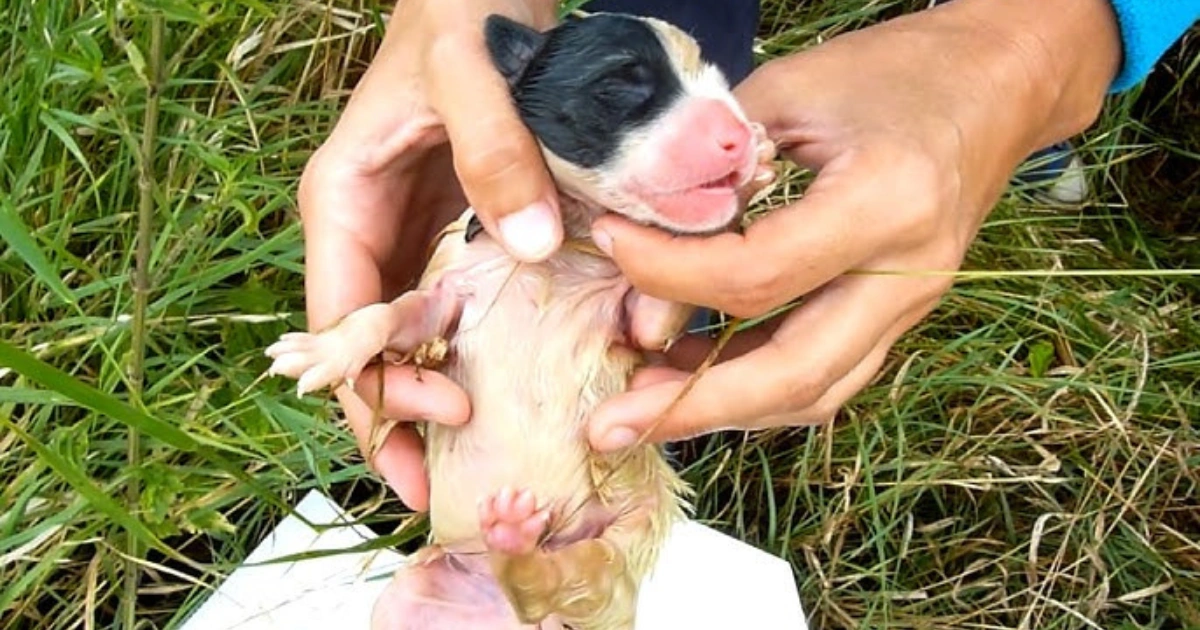
Finding a newborn puppy abandoned or separated from its mother can be an emotional and urgent situation. Many people immediately try to feed the puppy, believing food is the most important need. However, one of the most dangerous mistakes during newborn puppy rescue is feeding the puppy before warming it properly.
Newborn puppies cannot regulate their body temperature effectively. If a puppy is cold, its digestive system slows down dramatically and may stop functioning correctly. Feeding a chilled puppy can lead to serious complications and may become life-threatening.
Understanding the correct order of care can significantly improve a newborn puppy’s chances of survival.
Why Warmth Matters More Than Food at First
Newborn puppies are extremely vulnerable during their first weeks of life. Unlike adult dogs, they cannot maintain stable body temperature independently.
Why Puppies Become Cold Quickly
Very young puppies:
- Have limited body fat
- Cannot shiver effectively
- Lose heat rapidly
- Depend on external warmth
In natural conditions, the mother dog and littermates provide constant body heat.
When a puppy becomes cold, several body functions slow down, including digestion.
Why Feeding a Cold Puppy Is Dangerous
Many rescuers instinctively offer milk immediately, but this can be risky if the puppy is hypothermic.
What Happens Inside the Body
When a puppy’s body temperature drops:
- Digestion slows or stops
- Milk may remain undigested
- Fermentation can occur in the stomach
- Aspiration risks increase
- Weakness may worsen
Cold puppies often cannot process food properly until their temperature stabilizes.
Signs a Newborn Puppy May Be Too Cold
Recognizing hypothermia early is critical.
Common Signs of a Cold Puppy
A chilled newborn puppy may show:
- Cold paws or belly
- Weak movement
- Continuous crying or unusual silence
- Poor nursing reflex
- Low activity
- Limp body posture
If the puppy feels cool to the touch, warming should become the immediate priority.
The Correct First Step: Warm the Puppy Slowly
Before feeding, the puppy must be warmed carefully and gradually.
Safe Ways to Warm a Puppy
You can use:
- Warm blankets
- Body heat
- A heating pad on low setting
- Warm water bottles wrapped in towels
- An incubator for critical care situations
Important Safety Tip
Never place a puppy directly on strong heat sources. Overheating or burns can occur quickly.
Gradual warming is safest.
How to Know When a Puppy Is Warm Enough to Feed
One practical sign rescuers often check is paw temperature.
Warm Paws Are a Good Sign
When the puppy’s paws and body feel comfortably warm:
- Digestion is more likely functioning properly
- Nursing reflexes may improve
- Feeding becomes safer
This does not replace veterinary care, but it can help guide emergency rescue decisions temporarily.
What to Feed a Newborn Puppy
Once the puppy is properly warmed, feeding can begin carefully.
Best Feeding Options
The safest choice is:
- Commercial puppy milk replacer
Avoid feeding:
- Cow’s milk
- Condensed milk
- Random homemade mixtures without veterinary guidance
Cow’s milk lacks the proper nutritional balance for puppies and may cause digestive upset.
How Often Newborn Puppies Need Feeding
Very young puppies require frequent feeding because of their rapid metabolism.
General Feeding Frequency
Depending on age, puppies may need feeding every:
- 2–4 hours
Newborn puppies also require overnight feeding during the first weeks.
Proper Feeding Technique
Feeding technique is extremely important for preventing aspiration.
Safe Feeding Tips
- Hold the puppy belly-down, not on its back
- Feed slowly
- Use appropriate nursing bottles or syringes
- Never force milk rapidly
Milk entering the lungs can cause aspiration pneumonia, which is very dangerous for young puppies.
Keeping a Rescued Puppy Warm After Feeding
Warmth remains essential even after feeding.
Ideal Puppy Environment
Young puppies need:
- Stable temperatures
- Dry bedding
- Draft-free areas
- Quiet surroundings
Cold stress can return quickly if environmental temperatures drop.
Why Veterinary Care Is Essential
Even if a rescued puppy appears stable, professional care is important.
Veterinarians Can Help With
- Hydration assessment
- Feeding plans
- Infection detection
- Parasite treatment
- Temperature monitoring
Newborn animals can decline rapidly without proper medical attention.
Common Mistakes During Puppy Rescue
Many well-meaning rescuers unintentionally make harmful mistakes.
Frequent Rescue Errors
- Feeding before warming
- Using cow’s milk
- Overheating the puppy
- Feeding too quickly
- Allowing chilling after feeding
- Skipping veterinary evaluation
Understanding these risks can improve survival outcomes significantly.
How Mother Dogs Normally Care for Puppies
Mother dogs naturally provide several forms of care simultaneously.
Maternal Support Includes
- Constant warmth
- Frequent feeding
- Cleaning and stimulation
- Protection
- Social bonding
When humans rescue orphaned puppies, they must attempt to replace these essential functions carefully.
Temperature and Digestion Are Closely Connected
Digestive function depends heavily on body temperature.
Why Warmth Activates Digestion
Proper body temperature helps:
- Activate stomach function
- Improve nutrient absorption
- Support circulation
- Maintain energy levels
This is why warming first is considered a lifesaving priority.
Emotional Stress in Newborn Puppies
Rescued puppies may also experience stress from separation and environmental changes.
Ways to Reduce Stress
- Keep handling gentle
- Maintain quiet surroundings
- Avoid excessive stimulation
- Use soft bedding
Stress management supports recovery and feeding success.
FAQ
Can a newborn puppy survive without food temporarily?
Yes. A puppy can often survive short periods without food more safely than remaining dangerously cold.
Why should you not feed a cold puppy?
Cold puppies cannot digest properly, and feeding may cause serious complications.
How can I warm a newborn puppy safely?
Use gradual warmth with blankets, wrapped heating pads, or body heat while avoiding direct overheating.
Is cow’s milk safe for newborn puppies?
No. Commercial puppy milk replacer is generally recommended instead.
How do I know if a puppy is warm enough to feed?
Warm paws and body temperature are encouraging signs that digestion may be functioning more normally.
Final Thoughts
When rescuing a newborn puppy, warmth must always come before feeding. Although offering milk feels like the natural first response, a cold puppy’s body cannot digest properly and may suffer dangerous complications if fed too soon.
Careful warming, safe feeding practices, and rapid veterinary support greatly improve the chances of survival for vulnerable newborn puppies.
Understanding this simple but critical principle can help rescuers provide safer emergency care during one of the most delicate stages of a puppy’s life.
Suggested Internal Links for secretsofthegreengarden.com
- How to Create a Safe Space for Rescue Animals
- Essential Beginner Tips for Caring for Puppies
- Natural Ways to Keep Pets Comfortable in Cold Weather