
Primary Keyword: big cat bite force
Big cats are among the most powerful predators on Earth. Their strength, speed, stealth, and hunting abilities have fascinated humans for centuries. Yet one of the most impressive aspects of these animals is something many people rarely think about: their bite force.
A powerful bite allows big cats to subdue prey, crush bones, pierce tough hides, and survive in some of the world’s most competitive ecosystems. While lions and tigers are often considered the strongest cats because of their size, bite-force studies reveal a surprising champion.
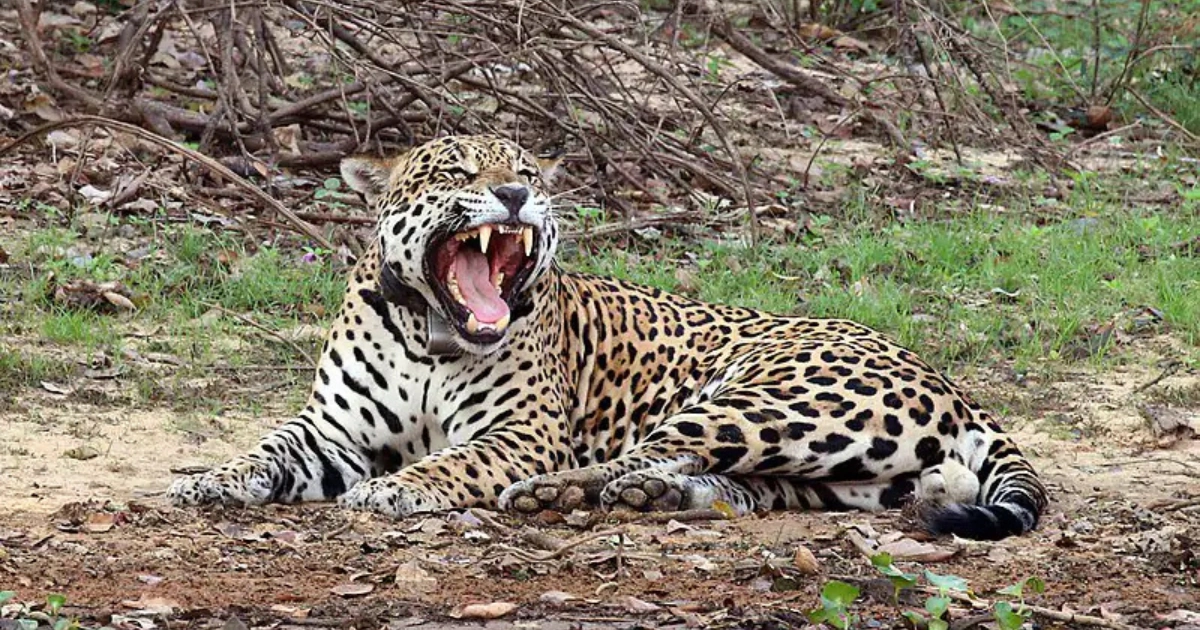
The jaguar, not the lion or tiger, possesses the most powerful bite relative to its size among the world’s big cats.
What Is Bite Force?
Bite force refers to the amount of pressure an animal can generate when closing its jaws.
It is commonly measured in:
- PSI (pounds per square inch)
- Newtons (N)
A stronger bite helps predators:
- Secure struggling prey
- Penetrate thick skin
- Crush bones
- Access nutrient-rich marrow
- Deliver efficient killing bites
However, bite force alone does not determine hunting success. Speed, strength, intelligence, and hunting strategy are equally important.
Why Big Cats Need Powerful Jaws
Unlike many predators that rely on endurance, big cats are ambush hunters.
They typically depend on:
- Stealth
- Explosive acceleration
- Strong forelimbs
- Precise bites
Once they reach their prey, the jaws become critical tools for completing the hunt quickly and efficiently.
Different species use their bites in different ways depending on habitat and prey selection.
Jaguar: The Bite Force Champion
The jaguar is widely regarded as the big cat with the strongest bite relative to body size.
Unlike most large cats that kill by suffocation through the throat, jaguars often use a unique technique.
What Makes Jaguars Special?
- Extremely robust skull structure
- Powerful jaw muscles
- Short, broad head design
- Ability to pierce skulls and shells
Jaguars frequently prey on:
- Caimans
- Turtles
- Armadillos
- Capybaras
- Deer
Their bite is powerful enough to penetrate the armored shells of some reptiles and even crack turtle shells.
Habitat
Jaguar populations are primarily found in Central and South America, with strongholds remaining in the Amazon Rainforest.
Tiger: The Largest Cat


The tiger is the largest living cat species and possesses an exceptionally powerful bite.
Tiger Hunting Strategy
Tigers typically target:
- Deer
- Wild boar
- Buffalo
- Large ungulates
They rely heavily on:
- Powerful forelimbs
- Massive body size
- Strong neck muscles
- Crushing throat bites
Why Tigers Are So Effective
Although jaguars may produce a stronger bite relative to size, tigers combine substantial bite force with enormous body mass, making them one of the most formidable predators on Earth.
Lion: Strength Through Teamwork


Lions differ from most big cats because they often hunt cooperatively.
Lion Advantages
- Social hunting behavior
- Exceptional strength
- Coordinated attacks
- Ability to tackle very large prey
Typical prey includes:
- Zebras
- Wildebeest
- Buffalo
Because lions frequently hunt in groups, they rely less on extreme bite force and more on teamwork and physical power.
Unique Social Structure
Lion remains the only truly social big cat, living in organized groups called prides.
Leopard: The Master of Adaptation


Leopards may be smaller than lions and tigers, but they are among the most adaptable predators in the world.
Remarkable Strength
Leopards routinely carry prey weighing more than their own body weight into trees.
Their powerful jaws help them:
- Grip prey securely
- Drag carcasses
- Protect kills from scavengers
Broad Geographic Range
Leopard inhabits more environments than almost any other big cat, from forests and mountains to grasslands and semi-deserts.
Cougar: North America’s Silent Hunter


Also known as the mountain lion or puma, the cougar is one of the most widespread wild cats in the Americas.
Hunting Style
Cougars rely on:
- Stealth
- Ambush attacks
- Powerful hind legs
- Precise neck bites
They commonly prey upon:
- Deer
- Smaller mammals
- Wild sheep
Although their bite force is lower than that of larger big cats, cougars remain highly effective predators.
Is Bite Force the Best Measure of Predator Strength?
Not necessarily.
Different predators evolved for different ecological roles.
A lion’s hunting success depends heavily on cooperation. A tiger relies on size and power. A leopard excels at adaptability. A cougar uses stealth. A jaguar combines remarkable jaw strength with specialized skull anatomy.
Factors influencing hunting success include:
- Body size
- Speed
- Agility
- Intelligence
- Endurance
- Habitat
- Hunting technique
Bite force is only one piece of a much larger picture.
How Scientists Estimate Bite Force
Researchers use several methods to estimate bite force, including:
- Anatomical measurements
- Skull modeling
- Muscle reconstruction
- Computer simulations
- Direct pressure testing when possible
Different studies sometimes produce different numbers, which explains why bite-force rankings can vary slightly depending on the source.
For this reason, exact PSI figures should be viewed as estimates rather than absolute values.
Fascinating Big Cat Adaptations
Jaguars
- Can swim exceptionally well
- Frequently hunt aquatic prey
- Possess the most robust skull among big cats
Tigers
- Largest living cat species
- Strong swimmers
- Capable of taking prey much larger than themselves
Lions
- Only truly social big cat
- Live in cooperative prides
- Hunt some of Africa’s largest animals
Leopards
- Outstanding climbers
- Extremely adaptable
- Found across a wide range of habitats
Cougars
- Can leap over 18 feet vertically
- Occupy the largest range of any wild cat in the Americas
- Thrive in diverse environments
Frequently Asked Questions
Which big cat has the strongest bite force?
The jaguar is generally considered to have the strongest bite force relative to its size among big cats.
Is a tiger stronger than a jaguar?
In overall body size and strength, tigers are significantly larger and more powerful. However, jaguars possess a stronger bite relative to their body size.
Why can jaguars crush turtle shells?
Jaguars have exceptionally powerful jaws and a robust skull structure that allows them to generate tremendous bite pressure.
Do lions have stronger bites than tigers?
Most studies suggest tigers generate greater bite force than lions, although both are extremely powerful predators.
What is PSI?
PSI stands for pounds per square inch and is a measurement of pressure often used when discussing bite force.
Internal Linking Suggestions
For SecretsoftheGreenGarden.com, consider linking to:
- The World’s Most Impressive Animal Adaptations
- Animal Predators and Their Hunting Strategies
- Amazing Facts About Big Cats and Wild Carnivores
External Linking Suggestions
For additional information, consider referencing:
- Smithsonian National Zoo & Conservation Biology Institute
- National Geographic Animals
- World Wildlife Fund Big Cat Conservation Programs
Conclusion
Big cat bite force showcases one of nature’s most impressive examples of evolutionary specialization. While lions, tigers, leopards, and cougars are all formidable predators, the jaguar stands out for its extraordinary jaw strength and unique ability to pierce skulls and crush armored prey. Yet hunting success depends on far more than bite force alone. Each species has evolved its own combination of power, intelligence, stealth, and strategy, making every big cat a remarkable predator perfectly adapted to its environment.