
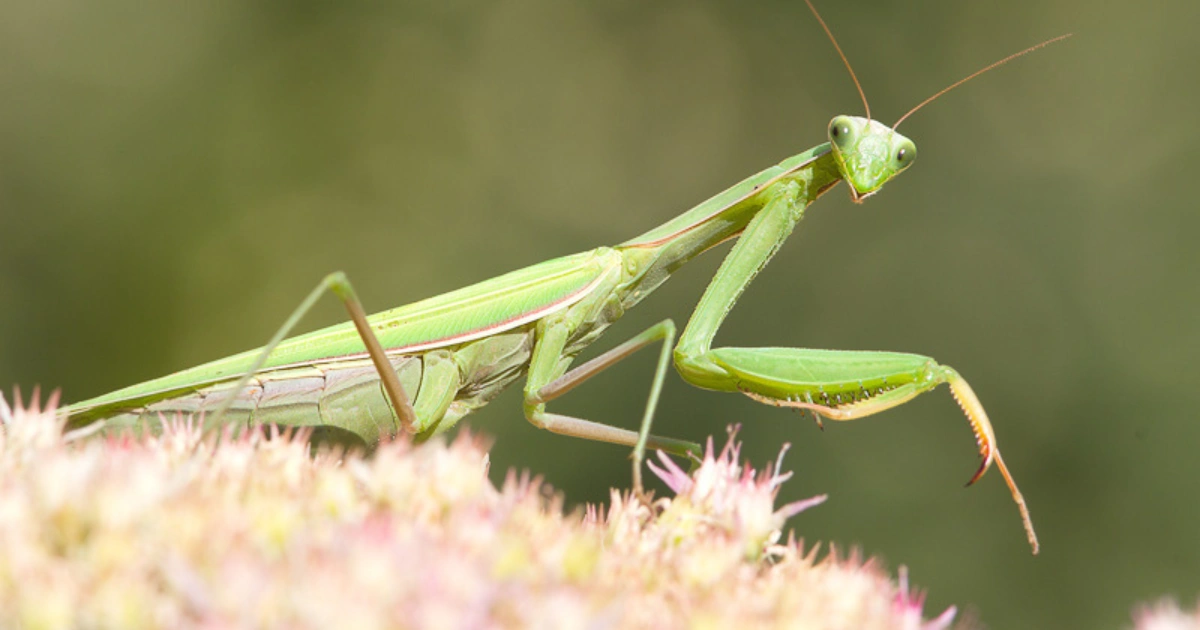
Primary Keyword: praying mantis in the garden
Few insects capture the imagination quite like the praying mantis. With its triangular head, large eyes, and folded forelegs that resemble hands in prayer, this remarkable predator is one of nature’s most effective hunters. For gardeners, finding a praying mantis in the garden is often a sign of a healthy ecosystem filled with biodiversity and natural pest control.
Unlike chemical pesticides, praying mantises help manage insect populations naturally. They spend their days patiently waiting among leaves and stems before launching lightning-fast attacks on unsuspecting prey. Their unique appearance and hunting abilities have made them one of the most recognizable beneficial insects in the world.
What Is a Praying Mantis?
Praying mantises belong to the order Mantodea, a group of predatory insects found across much of the world. More than 2,400 species have been identified, ranging from small grass-dwelling species to large tropical varieties.
These insects are famous for their distinctive posture, holding their front legs folded beneath their heads while waiting for prey.
Common features include:
- Large compound eyes
- Flexible neck
- Triangular head
- Powerful grasping forelegs
- Camouflaged coloration
- Exceptional hunting skills
Their appearance may look unusual, but every feature serves a purpose in helping them survive.
Why Gardeners Value Praying Mantises
A praying mantis in the garden acts as a natural predator that feeds on many insects commonly considered pests.
Because they hunt a wide variety of prey, they can help reduce insect populations without introducing chemicals into the environment.
Common Prey Species
Praying mantises often feed on:
- Grasshoppers
- Flies
- Caterpillars
- Moths
- Beetles
- Stink bugs
- Leaf-eating insects
By reducing populations of these insects, mantises may help protect vegetables, flowers, and ornamental plants.
Incredible Hunting Adaptations
Praying mantises are highly specialized ambush predators.
Compound Eyes
Their large compound eyes provide an impressive field of vision.
Unlike many insects, mantises possess excellent depth perception, allowing them to accurately judge distances before striking.
Flexible Head Movement
One of the most remarkable features of a praying mantis is its ability to rotate its head far more than most insects.
This flexibility allows it to scan for movement without repositioning its body and revealing its location.
Raptorial Forelegs
The front legs are equipped with sharp spines designed to trap prey.
When an insect comes within range, the mantis strikes with astonishing speed, often capturing prey in a fraction of a second.
Natural Camouflage
Many mantises blend seamlessly into their surroundings.
Depending on the species, they may resemble:
- Green leaves
- Brown stems
- Flower petals
- Bark
- Twigs
This camouflage helps them avoid predators while remaining hidden from prey.
The Life Cycle of a Praying Mantis
Understanding the life cycle of a praying mantis helps explain why sightings vary throughout the year.
Egg Stage
Female mantises lay eggs inside a protective structure called an ootheca.
Each egg case may contain dozens or even hundreds of eggs.
These cases are often attached to:
- Branches
- Fences
- Garden structures
- Shrubs
Nymph Stage
In spring, tiny mantis nymphs emerge from the egg case.
They resemble miniature adults but lack fully developed wings.
During this stage, they begin hunting immediately.
Adult Stage
As they grow, mantises shed their exoskeleton multiple times before reaching adulthood.
Most species live approximately one year, completing their entire life cycle within a single growing season.
Are Praying Mantises Always Beneficial?
While praying mantises are generally considered beneficial insects, they are not selective hunters.
They will consume many insects regardless of whether those insects are pests or beneficial species.
Potential prey can include:
- Pollinators
- Butterflies
- Bees
- Ladybugs
- Other mantises
Because they are opportunistic predators, their presence should be viewed as part of a balanced ecosystem rather than a targeted pest-control solution.
How to Attract Praying Mantises to Your Garden
Creating a wildlife-friendly garden can encourage mantis populations naturally.
Plant Diverse Vegetation
A variety of plants provides shelter and hunting opportunities.
Consider including:
- Native flowers
- Shrubs
- Herbs
- Flowering vegetables
Reduce Pesticide Use
Broad-spectrum insecticides can kill beneficial insects, including mantises.
Limiting pesticide use helps preserve natural predator populations.
Leave Some Natural Areas
Small patches of taller vegetation and undisturbed garden corners provide ideal habitat.
Preserve Egg Cases
If you find an ootheca during winter pruning, consider leaving it undisturbed so young mantises can emerge in spring.
Common Myths About Praying Mantises
Myth: Mantises Only Eat Garden Pests
Reality: Mantises eat many different insects, including beneficial species.
Myth: Mantises Are Dangerous to Humans
Reality: Praying mantises are harmless to people. They may occasionally pinch if handled, but they pose no significant threat.
Myth: Mantises Are Rare
Reality: In suitable habitats, mantises can be relatively common, although their camouflage makes them difficult to spot.
Conservation and Legal Protection
Some mantis species receive legal protection in certain regions due to declining populations or conservation concerns.
Population threats may include:
- Habitat loss
- Pesticide exposure
- Urban development
- Environmental changes
Protecting diverse garden habitats can help support local insect biodiversity.
Frequently Asked Questions
Is a praying mantis good for the garden?
Yes. Praying mantises are beneficial predators that help control many insect populations naturally.
What do praying mantises eat?
They commonly eat grasshoppers, flies, caterpillars, moths, beetles, and other insects they can capture.
Are praying mantises harmful to humans?
No. They are harmless to people and generally avoid human interaction.
How long do praying mantises live?
Most species live about one year, progressing from egg to adult during a single season.
Should I move a praying mantis if I find one in my garden?
Usually not. If the mantis appears healthy and safe, it is best left undisturbed so it can continue hunting naturally.
Internal Linking Suggestions
For SecretsoftheGreenGarden.com, consider linking to:
- Beneficial Insects Every Gardener Should Know
- Natural Pest Control Methods for Vegetable Gardens
- How to Create a Wildlife-Friendly Backyard
External Linking Suggestions
For additional information, consider referencing:
- University of Kentucky Entomology Department
- Smithsonian National Museum of Natural History
- USDA National Institute of Food and Agriculture
Conclusion
A praying mantis in the garden is more than just an interesting insect—it is a skilled predator that plays an important role in natural pest management. With exceptional vision, remarkable camouflage, and lightning-fast hunting abilities, mantises are among the most fascinating insects gardeners can encounter. By creating a diverse, pesticide-free environment, gardeners can help support these beneficial predators while encouraging a healthier and more balanced ecosystem.