
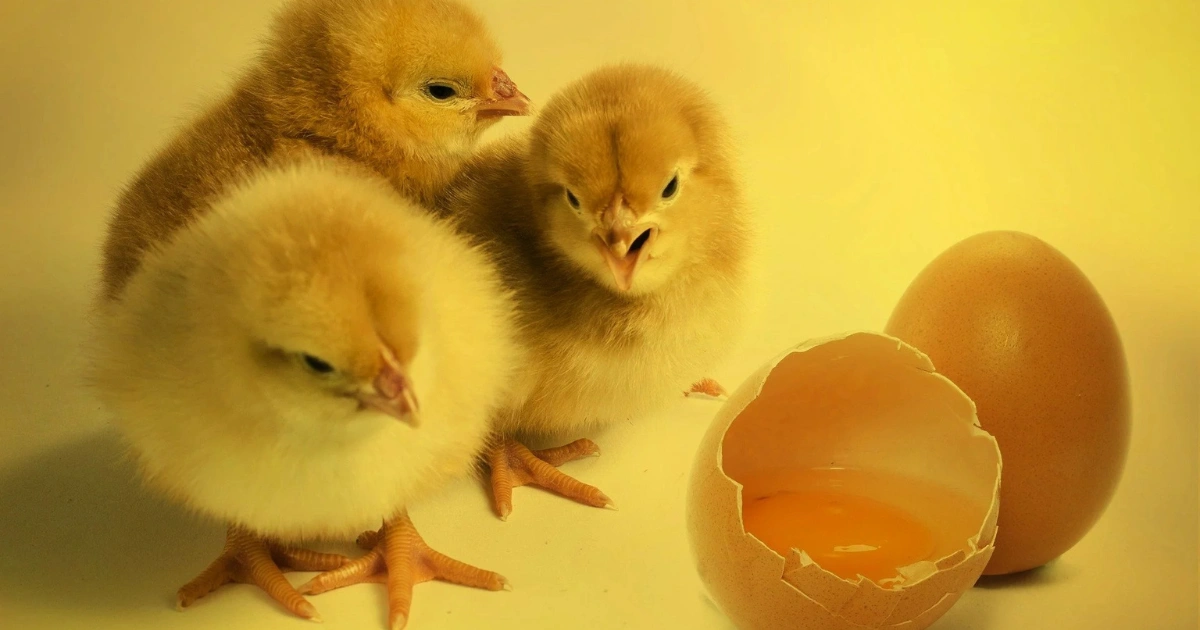
Egg formation inside a hen is one of nature’s most remarkable biological processes. Every egg passes through a complex journey inside the hen’s reproductive system, where layers are carefully added step by step over approximately 24 to 26 hours. From the formation of the yolk to the creation of the shell, each stage plays an important role in producing a healthy egg.
Understanding how eggs form helps poultry keepers, backyard chicken owners, and curious readers better appreciate the biology of hens and the importance of proper flock care.
In this guide, we explain the complete egg formation process, the anatomy of a hen’s reproductive system, and what determines egg color, quality, and structure.
How the Hen Reproductive System Works
Most hens develop only one fully functional ovary and oviduct, usually located on the left side of the body. This efficient reproductive system is specially adapted for regular egg production.
Main Parts of the Hen Reproductive System
The reproductive tract includes:
- Ovary
- Infundibulum
- Magnum
- Isthmus
- Uterus (shell gland)
- Vagina
Each section performs a specialized task during egg formation.
Step 1: Ovulation Begins the Egg Formation Process
Egg production starts in the ovary.
What Happens During Ovulation
Inside the ovary, yolks develop within small follicles. When a yolk matures, it is released into the reproductive tract during ovulation.
This first stage usually lasts around 15 to 30 minutes.
What the Yolk Does
The yolk serves as:
- A nutrient source
- Energy storage
- The central part of the future egg
Its rich nutrients support embryo development if fertilization occurs.
Step 2: The Infundibulum Captures the Yolk
After ovulation, the yolk enters the infundibulum.
Role of the Infundibulum
This funnel-shaped section:
- Captures the released yolk
- Is the typical site of fertilization
- Begins the egg’s journey through the oviduct
The yolk remains here for approximately 15 to 30 minutes.
If sperm are present, fertilization can occur at this stage.
Step 3: Albumen Forms in the Magnum
The yolk then moves into the magnum, where egg white formation begins.
What Is Albumen?
Albumen, commonly called egg white, surrounds the yolk and provides:
- Water
- Protein
- Cushioning protection
Time Spent in the Magnum
The egg usually remains in the magnum for about 3 to 3.5 hours while layers of albumen are added.
The thick and thin egg white layers help protect the yolk from damage.
Step 4: Shell Membranes Form in the Isthmus
Next, the developing egg moves into the isthmus.
Function of the Isthmus
In this section:
- Two shell membranes form
- Structural support develops
- Protection layers are added
These membranes help prevent bacteria from entering the egg.
Time in the Isthmus
This stage generally lasts about 1 to 1.5 hours.
Step 5: The Shell Forms in the Uterus
The uterus, also called the shell gland, is where the eggshell develops.
How the Shell Is Made
During this stage:
- Calcium is deposited around the egg
- The hard shell forms
- Pigments may be added for shell color
Time Required for Shell Formation
This is the longest phase of egg production and typically takes 18 to 20 hours.
The shell protects the egg while still allowing airflow through tiny pores.
Step 6: The Egg Passes Through the Vagina
The final stage occurs in the vagina before the egg is laid.
What Happens Before Laying
The vagina helps:
- Position the egg correctly
- Prepare for laying
- Expel the completed egg
This process usually lasts around 30 minutes.
After laying, the hen may begin developing another egg shortly afterward.
Total Time Required to Form an Egg
The entire egg formation process generally takes:
- Approximately 24 to 26 hours
Because the process takes longer than a full day, hens often lay eggs slightly later each day.
What Makes Up an Egg?
An egg contains several important structures.
Eggshell
The shell:
- Protects the contents
- Allows gas exchange
- Provides structural strength
Shell Membranes
These thin layers add additional protection against bacteria.
Albumen (Egg White)
The egg white provides:
- Water
- Protein
- Cushioning
Yolk
The yolk contains:
- Nutrients
- Vitamins
- Fats
- Energy reserves
Chalazae
The chalazae are twisted strands that help keep the yolk centered inside the egg.
Why Egg Colors Differ
Eggshell color depends mainly on the breed of hen.
Common Egg Colors
Hens may lay:
- White eggs
- Brown eggs
- Blue eggs
- Green eggs
- Speckled eggs
Does Shell Color Affect Nutrition?
No. Eggshell color does not significantly change the nutritional value of the egg.
Nutrition depends more on:
- Hen diet
- Health
- Environment
Factors That Affect Egg Quality
Healthy hens generally produce stronger and healthier eggs.
Important Factors Include
- Balanced nutrition
- Adequate calcium intake
- Clean water
- Low stress
- Safe housing
- Proper lighting
Poor nutrition or illness may lead to thin shells or irregular eggs.
Why Calcium Is Essential for Hens
Eggshells are composed largely of calcium carbonate.
Calcium Sources for Laying Hens
Many poultry keepers provide:
- Oyster shell supplements
- Crushed eggshells
- Calcium-rich feed
Without enough calcium, hens may produce weak or soft shells.
Common Egg Formation Abnormalities
Occasionally hens lay unusual eggs.
Examples Include
- Double-yolk eggs
- Shell-less eggs
- Wrinkled shells
- Tiny “fairy eggs”
These irregularities are often harmless but may sometimes indicate stress or nutritional imbalance.
Backyard Chickens and Egg Production
Backyard chicken keeping has grown rapidly in popularity.
Benefits of Raising Hens
Many people keep hens for:
- Fresh eggs
- Sustainable food production
- Natural pest control
- Gardening benefits
Healthy hens thrive in clean, spacious environments with proper nutrition.
FAQ
How long does it take a hen to form an egg?
The entire process usually takes about 24 to 26 hours.
Where does fertilization occur in a hen?
Fertilization typically occurs in the infundibulum shortly after ovulation.
Why are some eggs brown and others white?
Egg color depends on the breed of the hen, not nutritional quality.
What is the chalazae inside an egg?
The chalazae are twisted strands that help keep the yolk centered.
Why do hens need calcium?
Calcium is essential for producing strong, healthy eggshells.
Final Thoughts
The process of egg formation inside a hen is an extraordinary example of biological precision. Over the course of roughly one day, the hen’s reproductive system carefully builds each layer of the egg, from the nutrient-rich yolk to the protective shell.
Understanding how eggs form helps poultry owners provide better care while deepening appreciation for the incredible biology behind everyday food production.
Healthy hens, proper nutrition, and low-stress environments all contribute to stronger eggs and healthier flocks.
Suggested Internal Links for secretsofthegreengarden.com
- How to Keep Backyard Chickens Healthy Naturally
- Best Natural Calcium Sources for Laying Hens
- Easy Beginner Tips for Raising Chickens at Home