
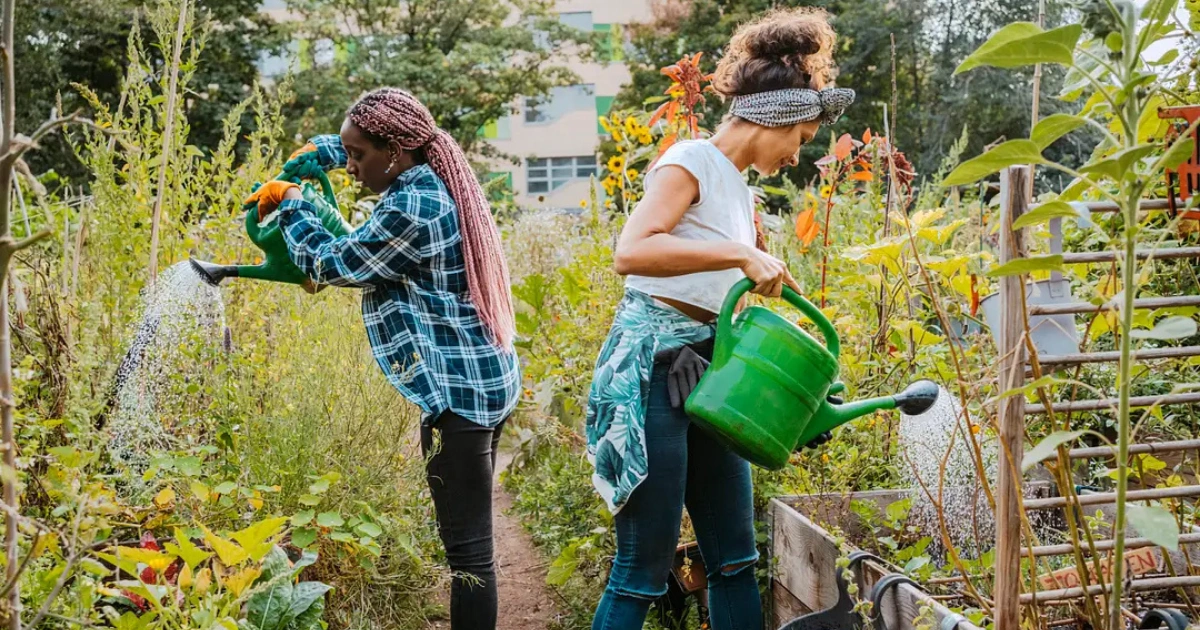
Many gardening problems begin with a simple mistake: watering at the wrong time or in the wrong way. While water is essential for plant growth, improper watering can lead to shallow roots, fungal diseases, wasted water, and weaker plants.
Fortunately, a few simple adjustments can dramatically improve plant health, reduce water consumption, and create a more resilient garden. Understanding when and how to water properly is one of the most valuable skills any gardener can develop.
Primary Keyword: best time to water your garden
Why Watering Technique Matters
Water does much more than prevent plants from drying out.
It helps plants:
- Absorb nutrients
- Build strong root systems
- Produce flowers and fruits
- Regulate temperature
- Resist environmental stress
The goal is not simply to add water, but to deliver it in a way that encourages healthy growth.
Rule 1: Avoid Watering During Midday
One of the most common watering mistakes occurs during the hottest part of the day.
Why Midday Watering Is Less Effective
Between late morning and afternoon:
- Temperatures are highest
- Evaporation rates increase
- Less water reaches the roots
- Plants experience greater stress
A significant portion of the water may evaporate before plants can use it.
Better Alternative
The best time to water your garden is usually early in the morning before temperatures begin to rise.
Morning watering allows moisture to soak deeply into the soil while minimizing water loss.
Rule 2: Be Careful With Late Evening Watering
Evening watering is often better than midday watering, but it can present certain challenges.
Potential Problems
When foliage remains wet overnight, conditions become favorable for:
- Powdery mildew
- Leaf spot diseases
- Fungal infections
- Excess moisture accumulation
Better Alternative
If possible, water in the early morning rather than late evening.
If evening watering is necessary, focus on the soil rather than the leaves.
Rule 3: Water Deeply Rather Than Frequently
Many gardeners water lightly every day.
While this may seem helpful, it often creates weak root systems.
Why Shallow Watering Is a Problem
Frequent surface watering encourages roots to remain near the soil surface where moisture disappears quickly.
Plants become:
- More dependent on irrigation
- Less drought tolerant
- More vulnerable to heat stress
Better Alternative
Deep watering encourages roots to grow downward.
Stronger roots help plants:
- Access deeper moisture reserves
- Better withstand dry conditions
- Maintain long-term health
For many gardens, watering deeply a few times per week is more beneficial than daily light watering.
Rule 4: Water the Soil, Not the Leaves
Many people spray the entire plant when watering.
However, roots—not leaves—are where most water absorption occurs.
Problems With Wet Foliage
Constantly wet leaves may increase the risk of:
- Fungal diseases
- Mildew
- Leaf damage
- Disease spread
Better Alternative
Direct water at the base of the plant where roots can access it efficiently.
Methods such as:
- Drip irrigation
- Soaker hoses
- Slow hand watering
are often the most effective.
Rule 5: Check Soil Moisture Before Watering
Not every plant needs water simply because the calendar says so.
Why This Matters
Overwatering can be just as damaging as underwatering.
Excess moisture may lead to:
- Root rot
- Nutrient leaching
- Poor oxygen availability
- Reduced root growth
Simple Soil Test
Insert a finger into the soil approximately 3 to 4 inches deep.
If the soil remains moist, watering can often wait.
A soil moisture meter can provide additional accuracy.
Rule 6: Use Mulch to Retain Moisture
Mulch is one of the most effective tools for reducing watering needs.
Benefits of Mulch
A 2–3 inch layer can help:
- Reduce evaporation
- Moderate soil temperature
- Suppress weeds
- Improve soil quality
Organic mulch options include:
- Straw
- Shredded leaves
- Bark mulch
- Compost
Water First, Mulch Second
Apply mulch after watering so moisture becomes trapped in the root zone.
Rule 7: Water Slowly and Evenly
Applying large amounts of water too quickly often creates runoff.
Problems With Rapid Watering
Water may:
- Flow away from roots
- Erode soil
- Create puddles
- Waste resources
Better Alternative
Water slowly enough for the soil to absorb moisture effectively.
Deep, gradual watering typically produces the best results.
Rule 8: Adjust Watering Based on Weather
Plants do not need identical amounts of water every week.
Factors That Affect Water Needs
Consider:
- Rainfall
- Temperature
- Humidity
- Wind
- Soil type
- Plant maturity
Hot summer conditions require different watering strategies than cool spring weather.
Flexible watering schedules are generally more effective than fixed routines.
Rule 9: Focus on Root Development
Healthy roots are the foundation of healthy plants.
Signs of Strong Root Systems
Plants with deep roots often show:
- Better drought tolerance
- Stronger growth
- Improved flowering
- Greater resilience
Every watering decision should support long-term root health rather than short-term convenience.
Common Signs of Overwatering
Many gardeners assume wilted plants need more water.
However, overwatering can cause similar symptoms.
Watch for:
- Yellowing leaves
- Mushy stems
- Root rot
- Persistent soil moisture
- Mold growth
- Wilting despite wet soil
Common Signs of Underwatering
Plants lacking moisture may exhibit:
- Dry soil
- Crispy leaf edges
- Drooping foliage
- Reduced flowering
- Stunted growth
Monitoring both soil and plant appearance helps prevent problems.
Best Watering Methods for Different Gardens
Vegetable Gardens
Deep watering two or three times per week often works well, depending on weather conditions.
Flower Beds
Consistent moisture during establishment promotes strong root development.
Containers
Container plants dry out more quickly and may require daily monitoring during hot weather.
Trees and Shrubs
Slow, deep watering encourages extensive root growth and long-term stability.
Frequently Asked Questions
What is the best time to water your garden?
Early morning is generally considered the ideal time because evaporation is lower and plants can absorb moisture before daytime heat arrives.
Is evening watering bad?
Not necessarily, but consistently wet foliage overnight can increase the risk of fungal diseases. Morning watering is usually preferred.
How deep should garden watering be?
Most established plants benefit from water penetrating several inches into the soil, encouraging roots to grow deeper.
How can I tell if my garden needs water?
Check soil moisture 3 to 4 inches below the surface. If it feels dry at that depth, watering may be needed.
Does mulch really reduce watering needs?
Yes. Mulch helps retain soil moisture, reduce evaporation, and maintain more stable soil temperatures.
Conclusion
Learning the best time to water your garden is one of the simplest ways to improve plant health and conserve water. Morning watering, deep irrigation, soil moisture monitoring, and proper mulching can significantly enhance root development and reduce common gardening problems.
Rather than watering out of habit, successful gardeners focus on soil conditions, weather patterns, and plant needs. By following these nine essential watering rules, you can create a healthier, more productive garden while using water more efficiently throughout the growing season.
Suggested Internal Links for SecretsoftheGreenGarden.com
Consider linking to:
- 8 Garden Watering Mistakes That May Be Hurting Your Plants
- How to Improve Garden Soil Naturally
- Best Mulches for Vegetable and Flower Gardens
Suggested External Resources
For science-based gardening information, consider referencing:
- USDA Natural Resources Conservation Service Water Conservation Resources
- University of California Agriculture and Natural Resources Irrigation Guides
- Cornell Cooperative Extension Gardening Resources
Related Keywords: garden watering tips, watering plants correctly, deep watering, soil moisture management, drought-resistant gardening, irrigation practices, healthy roots, water conservation, garden maintenance.