
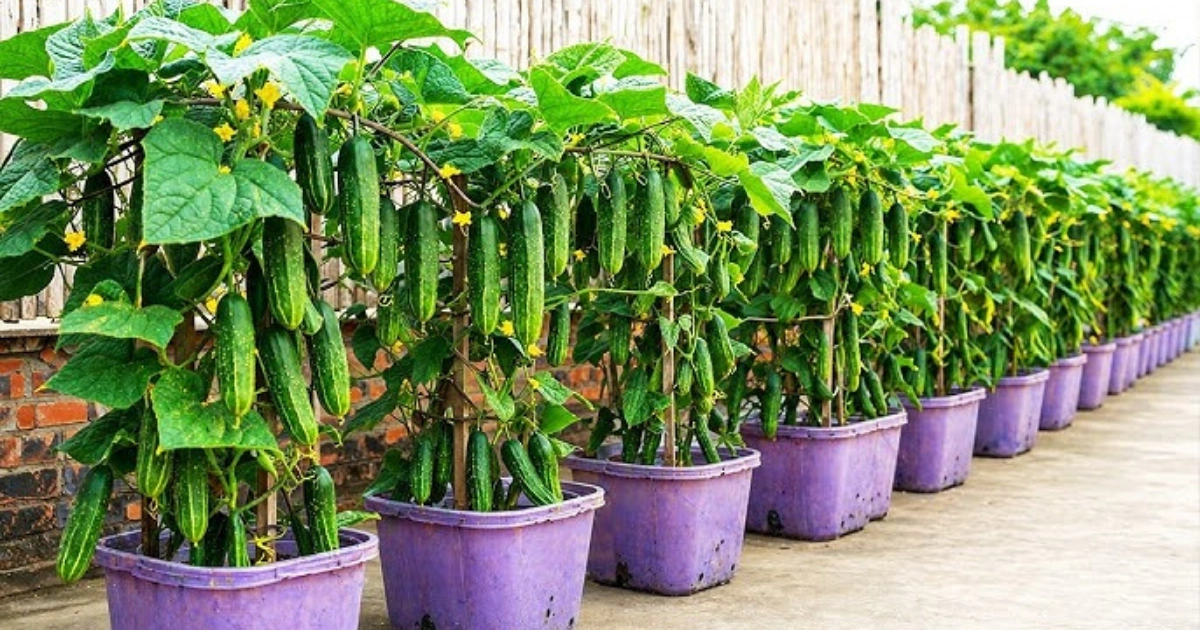
Growing cucumbers in containers is an excellent way to enjoy fresh, homegrown vegetables even if you have limited garden space. Whether you have a balcony, patio, rooftop, or small backyard, container-grown cucumbers can produce impressive harvests when given the right growing conditions.
However, many social media posts suggest that simply placing cucumber slices on soil will produce healthy plants. In reality, successful cucumber cultivation requires proper seeds, quality soil, adequate sunlight, and consistent care.
This guide explains the correct method for growing cucumbers in pots and how to maximize your harvest throughout the growing season.
Primary Keyword: grow cucumbers in containers
Why Grow Cucumbers in Containers?
Container gardening offers several advantages for cucumber growers.
Benefits include:
- Ideal for small spaces
- Better control over soil quality
- Easier pest management
- Improved drainage
- Convenient harvesting
- Mobility during extreme weather
Many modern cucumber varieties are specifically bred for container production and can thrive in pots when properly maintained.
Choosing the Right Container
Container size plays a major role in plant health and productivity.
Recommended Pot Size
For best results, choose a container that is:
- At least 12 to 18 inches deep
- Holds 5 gallons or more of soil
- Equipped with drainage holes
Larger containers retain moisture more effectively and support stronger root systems.
Best Container Materials
Suitable options include:
- Plastic pots
- Fabric grow bags
- Wooden planters
- Ceramic containers
Whatever material you choose, good drainage is essential.
Selecting the Best Cucumber Variety
Not all cucumbers perform equally well in containers.
Compact Bush Varieties
These are often the best choice for small spaces.
Popular examples include:
- Spacemaster
- Bush Champion
- Salad Bush
- Patio Snacker
Vining Varieties
Traditional vining cucumbers can also be grown in containers if provided with adequate support.
Examples include:
- Marketmore
- Straight Eight
- Diva
- Sweet Success
Step 1: Start With Quality Seeds
Unlike many viral gardening claims, cucumber slices placed directly on soil are not a reliable propagation method.
For the highest success rate:
- Purchase quality cucumber seeds
- Use fresh seeds from reputable suppliers
- Follow recommended planting depths
Plant seeds approximately ½ to 1 inch deep in moist potting mix.
Germination Conditions
Cucumber seeds germinate best when:
- Soil temperatures remain between 70°F and 90°F (21°C–32°C)
- Soil stays consistently moist
- Containers receive adequate warmth
Under ideal conditions, seedlings often emerge within 5 to 10 days.
Step 2: Use High-Quality Potting Soil
Garden soil is usually too dense for containers.
Choose a well-draining potting mix containing:
- Compost
- Coco coir or peat moss
- Perlite or vermiculite
- Organic matter
Healthy soil supports strong root growth and improves water retention.
Step 3: Provide Plenty of Sunlight
Cucumbers are sun-loving plants.
For maximum production, provide:
- 6 to 8 hours of direct sunlight daily
- Preferably 8+ hours in cooler climates
Insufficient sunlight often results in:
- Weak growth
- Reduced flowering
- Lower yields
Step 4: Water Consistently
Cucumbers contain approximately 95% water, making consistent irrigation essential.
Watering Tips
- Keep soil evenly moist
- Avoid letting containers dry completely
- Water deeply when needed
- Check moisture daily during hot weather
Inconsistent watering may cause:
- Bitter fruit
- Misshapen cucumbers
- Reduced production
Step 5: Support the Plants
Most cucumber varieties benefit from vertical support.
Trellis Advantages
Growing vertically:
- Saves space
- Improves airflow
- Reduces disease pressure
- Produces cleaner fruit
- Simplifies harvesting
Suitable supports include:
- Garden trellises
- Tomato cages
- Bamboo stakes
- Wire panels
Install supports early to avoid disturbing roots later.
Step 6: Encourage Flowering and Fruit Production
After several weeks of growth, cucumber plants begin producing flowers.
Understanding Cucumber Flowers
Many varieties produce:
- Male flowers
- Female flowers
Female flowers contain a small cucumber-shaped swelling behind the bloom.
Pollination is necessary for fruit development in most traditional varieties.
Attract Pollinators
Encourage bees by planting:
- Marigolds
- Zinnias
- Lavender
- Native wildflowers
Some modern cucumber varieties are self-pollinating or parthenocarpic and require little or no pollinator activity.
Fertilizing Container Cucumbers
Because nutrients wash out of containers more quickly than garden beds, regular feeding is important.
Recommended Fertilizer Schedule
Apply:
- Compost at planting
- Balanced fertilizer during early growth
- Higher-potassium fertilizer during fruit production
Always follow label instructions to avoid overfertilization.
Common Problems When Growing Cucumbers in Containers
Yellow Leaves
Possible causes:
- Overwatering
- Nutrient deficiency
- Poor drainage
Small or Misshapen Fruits
May result from:
- Poor pollination
- Inconsistent watering
- Nutrient imbalance
Powdery Mildew
This fungal disease often appears during humid conditions.
Reduce risk by:
- Improving airflow
- Watering soil instead of leaves
- Avoiding overcrowding
Pest Issues
Common cucumber pests include:
- Aphids
- Spider mites
- Cucumber beetles
Regular inspection helps catch problems early.
When to Harvest Cucumbers
Most cucumbers are ready for harvest 50 to 70 days after planting, depending on the variety.
Signs of Readiness
Harvest when cucumbers:
- Reach the expected size
- Display uniform color
- Feel firm
- Have smooth skin
Do not wait too long.
Overripe cucumbers may become:
- Bitter
- Tough
- Seedy
Frequent harvesting encourages continued production.
Tips for Bigger Container Harvests
To maximize yields:
- Choose productive varieties
- Use large containers
- Provide full sun
- Water consistently
- Fertilize regularly
- Harvest frequently
- Use vertical supports
These practices often lead to significantly higher production throughout the season.
Frequently Asked Questions
Can cucumbers really grow from cucumber slices?
While seeds inside cucumbers can sometimes germinate, planting cucumber slices directly is unreliable and often results in poor germination or disease issues. Starting with proper seeds is recommended.
What size pot is best for cucumbers?
A container holding at least 5 gallons of soil is ideal for most cucumber varieties.
How often should container cucumbers be watered?
Water whenever the top inch of soil begins to dry. During hot weather, daily watering may be necessary.
Do cucumbers need a trellis?
Bush varieties may not require one, but most cucumbers benefit from vertical support to improve airflow and fruit quality.
How many cucumbers can one plant produce?
Depending on the variety and growing conditions, a healthy plant may produce dozens of cucumbers throughout the season.
Conclusion
Learning how to grow cucumbers in containers allows gardeners to enjoy abundant harvests without needing a large vegetable garden. By choosing the right container, planting quality seeds, providing sufficient sunlight, and maintaining consistent watering, even small spaces can produce fresh cucumbers throughout the growing season.
Container-grown cucumbers are productive, rewarding, and surprisingly easy to manage. With proper care, a single pot can provide a steady supply of crisp, homegrown cucumbers for salads, sandwiches, and summer meals.
Suggested Internal Links for SecretsoftheGreenGarden.com
Consider linking to:
- Best Vegetables to Grow in Containers
- Garden Watering Mistakes That Hurt Plant Growth
- Natural Ways to Improve Potting Soil
Suggested External Resources
For evidence-based vegetable gardening information, consider referencing:
- University of Minnesota Extension Cucumber Growing Guide
- Cornell Cooperative Extension Vegetable Gardening Resources
- USDA Home Gardening Resources
Related Keywords: container gardening, potted cucumbers, growing vegetables in pots, cucumber harvest, balcony gardening, vegetable container garden, cucumber care, homegrown vegetables, patio gardening.