
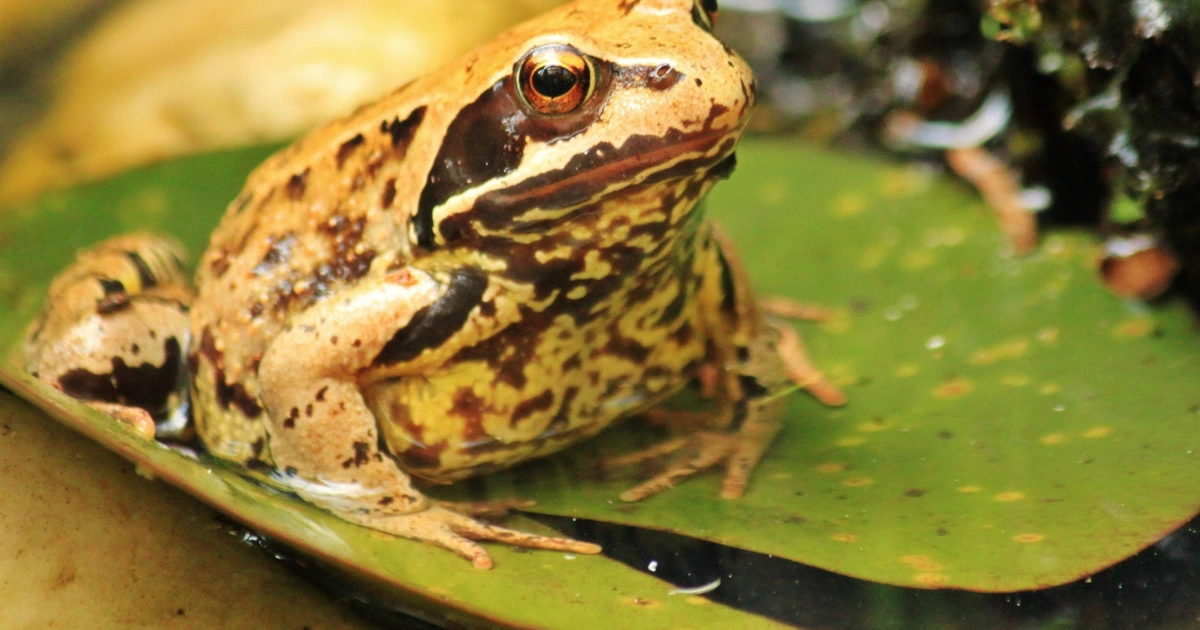
Frogs and toads are often mistaken for one another because they both belong to the amphibian order Anura. Despite their similarities, these animals have important physical, behavioral, and ecological differences that make identification much easier once you know what to look for.
From skin texture and body shape to habitat preferences and movement style, frogs and toads evolved unique adaptations that help them survive in different environments. Understanding these differences can help gardeners, nature enthusiasts, students, and wildlife observers identify species more accurately.
This guide explains the major differences between frogs and toads, clears up common myths, and explores the fascinating biology behind these well-known amphibians.
Are Frogs and Toads the Same Thing?
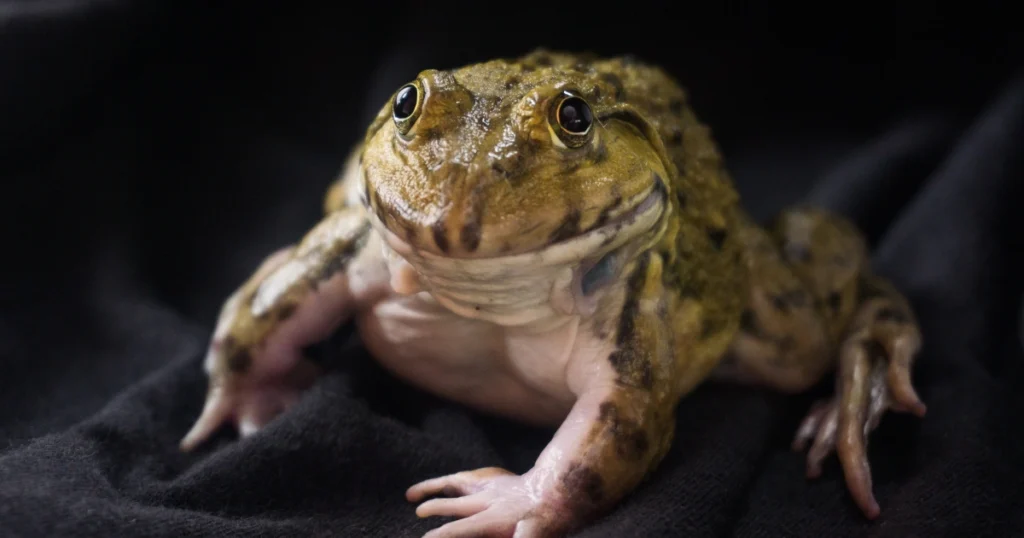
Technically, all toads are frogs because they belong to the same amphibian order. However, “frog” and “toad” are common terms used to describe two different body types and lifestyles.
Generally:
- Frogs are more aquatic
- Toads are more terrestrial
While there are exceptions, these distinctions help explain their appearance and behavior.
Skin Texture: The Most Noticeable Difference
One of the easiest ways to distinguish frogs from toads is by looking at their skin.
Frog Skin
Frogs usually have:
- Smooth skin
- Moist appearance
- Slimy texture
- Thin skin adapted for water absorption
Their moist skin helps them:
- Stay hydrated
- Exchange gases through the skin
- Thrive near water
Toad Skin
Toads generally have:
- Dry skin
- Rough texture
- Visible bumps
- Thick protective skin
The bumps on toads are glands, not warts.
The Wart Myth Explained
A common myth claims that touching a toad causes warts. This is completely false.
The bumps on a toad are:
- Specialized skin glands
- Defensive structures
- Not contagious growths
Some glands produce mild toxins to discourage predators, but they do not create warts in humans.
Body Shape Differences
Frogs
Frogs typically have:
- Slim bodies
- Narrow waists
- Long limbs
- Streamlined shape
This body design helps them:
- Swim efficiently
- Leap long distances
Toads
Toads usually have:
- Rounder bodies
- Shorter legs
- Wider stance
- Stockier appearance
Their heavier build supports life on land.
Leg Structure and Movement
Leg shape strongly affects movement style.
Frog Legs
Frogs have:
- Long muscular hind legs
- Excellent jumping ability
- Strong swimming power
Many frogs leap impressive distances.
Toad Legs
Toads possess:
- Shorter hind legs
- Less explosive movement
- Hopping behavior instead of large jumps
They tend to move more slowly and stay closer to the ground.
Habitat Preferences
Where Frogs Live
Frogs are commonly found:
- Near ponds
- Along rivers
- In wetlands
- Around lakes
Because their skin loses moisture easily, they usually remain close to water sources.
Where Toads Live
Toads can survive farther from water because of their thicker skin.
They are often found:
- In gardens
- Under logs
- In forests
- In dry soil
Most toads still need water for breeding, but adults spend much more time on land.
Reproduction and Egg Differences
Both frogs and toads begin life as tadpoles, but their eggs differ.
Frog Eggs
Frog eggs usually appear:
- In clusters
- Floating together in masses
Toad Eggs
Toad eggs are often:
- Laid in long strings
- Wrapped around aquatic plants
These differences help scientists identify species during breeding season.
Tadpole Differences
Tadpoles also vary between frogs and toads.
Frog Tadpoles
Usually:
- Larger
- More active swimmers
- Longer tails
Toad Tadpoles
Typically:
- Smaller
- Darker in color
- Slower moving
Defense Mechanisms
Frog Defenses
Frogs rely heavily on:
- Speed
- Camouflage
- Quick jumps into water
Some tropical species also produce toxic skin secretions.
Toad Defenses
Toads possess large glands behind their eyes called:
- Parotoid glands
These glands release defensive chemicals that taste unpleasant to predators.
Why Frogs Feel Slimy
Frogs produce mucus that:
- Keeps skin moist
- Supports breathing
- Protects against infection
Their skin is extremely permeable, meaning water and gases pass through easily.
Why Toads Can Live in Drier Areas
Toads evolved thicker, less permeable skin.
This helps reduce:
- Water loss
- Dehydration
- Dependence on aquatic environments
Color and Camouflage
Frogs
Frogs are often:
- Bright green
- Patterned
- Adapted for aquatic camouflage
Toads
Toads usually display:
- Brown
- Gray
- Earth-toned colors
These shades help them blend into soil and leaf litter.
The Ecological Importance of Frogs and Toads
Both animals play critical ecological roles.
They help control:
- Mosquitoes
- Beetles
- Flies
- Agricultural pests
They also serve as food for:
- Birds
- Snakes
- Mammals
- Fish
Why Amphibians Are Sensitive to Pollution
Because amphibians absorb water through their skin, they are highly vulnerable to environmental changes.
Pollution can affect:
- Reproduction
- Growth
- Survival rates
Scientists often view amphibians as indicators of ecosystem health.
Frog and Toad Population Declines
Many species face threats including:
- Habitat destruction
- Climate change
- Pollution
- Fungal diseases
Conservation efforts focus on protecting wetlands and reducing environmental contamination.
How to Attract Frogs and Toads to Your Garden
Add Water Sources
Small ponds attract frogs quickly.
Avoid Pesticides
Chemicals can harm amphibians directly.
Provide Shelter
Logs, rocks, and leaf piles create safe hiding spots.
Plant Native Vegetation
Native plants encourage insects and improve habitat quality.
Common Species Around the World
Common Frogs
- Tree frogs
- Bullfrogs
- Leopard frogs
- Poison dart frogs
Common Toads
- American toads
- Cane toads
- Common European toads
Frequently Asked Questions
Is a toad just a dry frog?
Not exactly. Toads are a type of frog adapted for more terrestrial environments.
Can touching toads cause warts?
No. Toad bumps are glands, not warts.
Why are frogs slimy?
Their mucus helps maintain moisture and supports breathing through the skin.
Are toads poisonous?
Some toads release mild toxins from skin glands to deter predators.
Which jumps farther, frogs or toads?
Frogs usually jump much farther because of their long hind legs.
Final Thoughts
Frogs and toads may belong to the same amphibian group, but their differences are easy to recognize once you understand their biology. Frogs are generally smooth-skinned, long-legged, and closely tied to water, while toads are drier, rounder, and better adapted to life on land.
These fascinating animals play essential roles in ecosystems by controlling insect populations and serving as indicators of environmental health. Whether spotted near a pond or hiding in a backyard garden, both frogs and toads contribute greatly to biodiversity and ecological balance.