
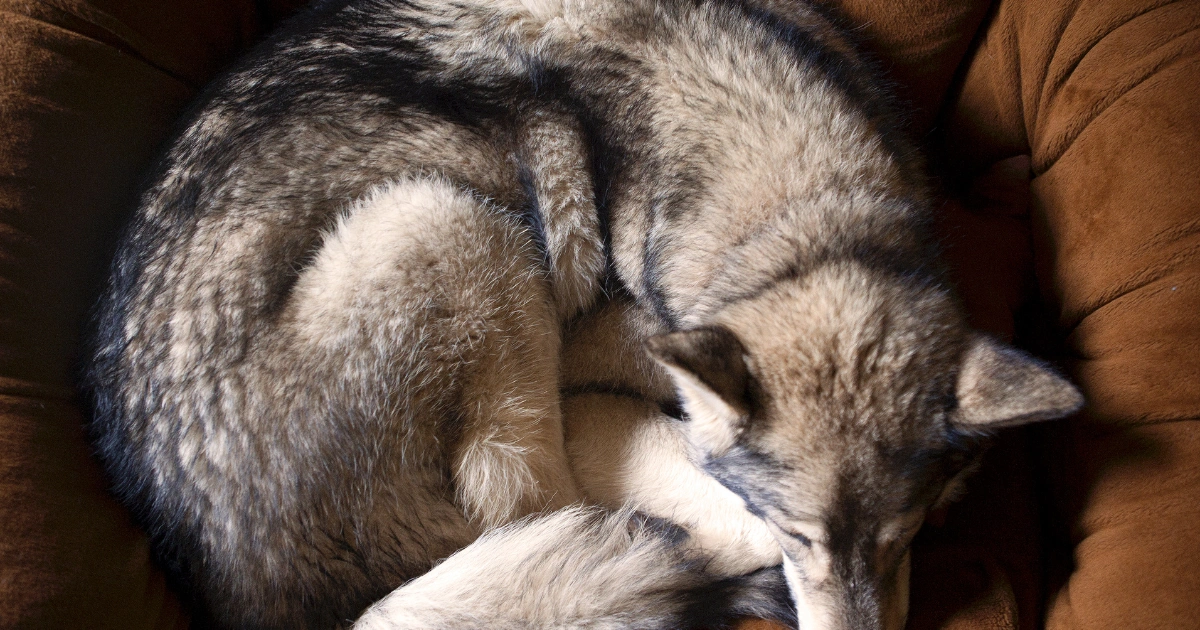
Dogs may be humanity’s closest animal companions today, but their story begins with the gray wolf. Thousands of years ago, early wolves slowly developed a unique relationship with humans that eventually led to the modern domestic dog. Over time, selective breeding, environmental adaptation, and social interaction transformed wolves into the incredibly diverse dog breeds we know today.
Although wolves and dogs still share much of their DNA, domestication changed their anatomy, behavior, communication, and even brain structure. Understanding these differences helps explain why dogs behave so differently from their wild ancestors.
This guide explores the major differences between wolves and domestic dogs, the science of domestication, and how humans reshaped one of nature’s most intelligent predators.
The Shared Origins of Wolves and Dogs
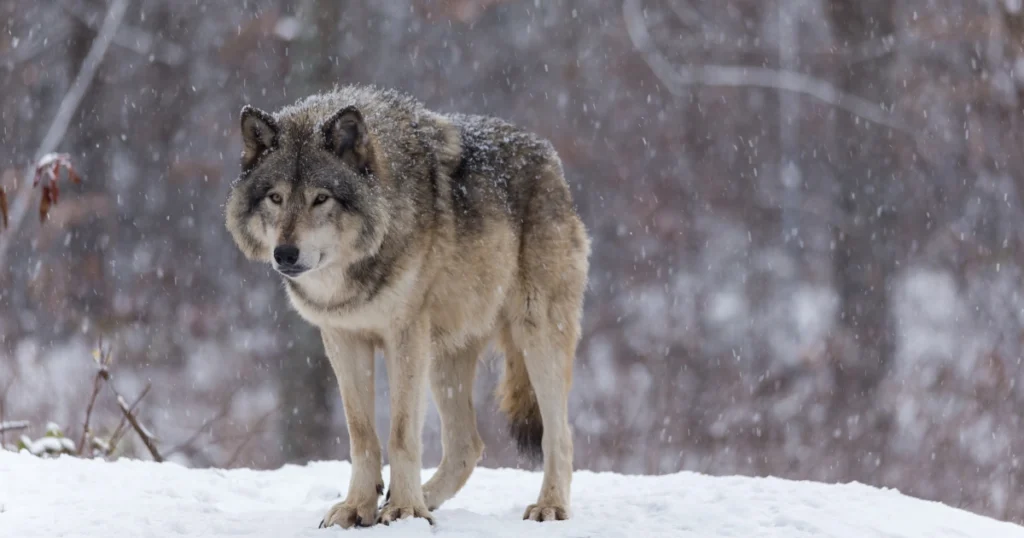
Modern dogs and gray wolves belong to the same species group:
- Wolves: Canis lupus
- Domestic dogs: Canis lupus familiaris
Genetic studies suggest dogs diverged from wolves at least 15,000 years ago, although some research proposes an even earlier timeline.
Early wolves likely approached human settlements searching for:
- Food scraps
- Shelter opportunities
- Easier hunting conditions
The least fearful wolves gradually adapted to living near humans.
What Is Domestication?
Domestication is a long-term evolutionary process where humans influence the traits of another species through:
- Selective breeding
- Environmental pressure
- Behavioral preference
Over many generations, animals become:
- More social toward humans
- Less aggressive
- More adaptable to human environments
Dogs are considered one of the earliest domesticated animals in human history.
Skull Shape Differences
One of the clearest physical differences between wolves and dogs is skull structure.
Wolf Skull Characteristics
Wolves generally have:
- Long narrow skulls
- Larger muzzle areas
- Strong jaw muscles
- Powerful bite force
These adaptations support:
- Hunting
- Bone crushing
- Survival in the wild
Dog Skull Characteristics
Domestic dogs often have:
- Shorter muzzles
- Wider skulls
- More varied head shapes
Selective breeding created enormous variation among breeds, including:
- Flat-faced dogs
- Long-snouted breeds
- Compact skull structures
Brain Size Changes
Research suggests domestication reduced average brain size in dogs compared to wolves.
Why Brain Size Changed
Wild wolves require advanced survival skills for:
- Hunting
- Territory defense
- Complex environmental awareness
Domestic dogs rely more heavily on humans, reducing certain survival pressures.
Studies estimate dog brain size may be:
- 10–15% smaller relative to body size
However, dogs evolved enhanced social intelligence related to human interaction.
Behavioral Differences
Wolf Behavior
Wolves are typically:
- Highly independent
- Cautious around humans
- Focused on survival
- Strongly territorial
Their behavior revolves around:
- Pack cooperation
- Hunting strategy
- Environmental awareness
Dog Behavior
Dogs evolved traits that favor:
- Human bonding
- Communication
- Social tolerance
- Cooperative behavior
Dogs often look to humans for:
- Guidance
- Food
- Emotional signals
Eye Contact and Communication
Dogs developed remarkable ability to interpret human communication.
Dogs
Dogs commonly:
- Maintain eye contact
- Read facial expressions
- Follow pointing gestures
Wolves
Wolves can learn some human signals, but they naturally rely less on visual human communication.
Hormonal Changes in Dogs
Domestication altered hormone pathways related to social bonding.
Research suggests dogs produce oxytocin responses during human interaction similar to those seen between:
- Parents and children
- Socially bonded humans
This hormone strengthens attachment and trust.
Ear Shape Differences
Many domestic dogs have:
- Floppy ears
- Rounded features
- Softer facial expressions
These traits are rare in adult wolves.
Scientists believe these characteristics emerged as part of “domestication syndrome,” a collection of traits linked to reduced aggression.
Coat and Color Variations
Wolves usually maintain:
- Gray
- Brown
- White
- Black camouflage coats
Domestic dogs display massive variation because of selective breeding, including:
- Spots
- Merle patterns
- Curly fur
- Hairless breeds
Body Structure Differences
Wolves
Wolves are built for endurance and efficiency.
They typically have:
- Long legs
- Narrow chests
- Lean bodies
- Efficient movement
These adaptations support:
- Long-distance travel
- Hunting endurance
- Harsh climates
Dogs
Dogs vary dramatically depending on breed.
Some are optimized for:
- Herding
- Sprinting
- Guarding
- Companionship
Others have body structures that would not survive in the wild.
Gait and Movement
Wolves move with:
- Efficient energy conservation
- Long-distance endurance
- Smooth coordinated motion
Many domestic dogs:
- Tire more easily
- Have altered movement patterns
- Show less efficient locomotion
Selective breeding sometimes prioritized appearance over athletic efficiency.
Dietary Adaptations
Domestic dogs evolved increased ability to digest starch-rich diets.
Compared to wolves, dogs possess:
- More copies of starch-digesting genes
- Greater tolerance for carbohydrates
This adaptation likely developed alongside human agriculture.
Social Structure Differences
Wolf Packs
Wolf packs function as family units with:
- Coordinated hunting
- Hierarchical structure
- Shared pup care
Dog Social Systems
Dogs are generally more flexible socially.
They can:
- Live alone
- Form loose groups
- Integrate into human families
Hunting Instincts
Wolves remain specialized predators with:
- Coordinated pack hunting
- Strategic pursuit behavior
- Strong prey drive
Many domestic dogs retain hunting instincts, but these vary widely between breeds.
Examples:
- Retrievers fetch
- Border collies herd
- Terriers chase small animals
Why Dogs Bark More Than Wolves
Adult wolves bark relatively rarely.
Dogs evolved frequent barking because it helps:
- Alert humans
- Communicate needs
- Express excitement or stress
Humans may have unconsciously selected for vocal communication traits.
Can Dogs and Wolves Interbreed?
Yes. Wolves and dogs can produce hybrid offspring because they remain genetically compatible.
However, wolf-dog hybrids often present:
- Behavioral unpredictability
- High prey drive
- Complex social needs
These hybrids are challenging pets and restricted in some regions.
The Role of Humans in Dog Evolution
Humans shaped dogs through thousands of years of selective breeding for:
- Hunting
- Herding
- Protection
- Companionship
- Appearance
This created more physical diversity in dogs than in almost any other land mammal species.
Common Myths About Wolves and Dogs
Myth: Dogs Descended From Modern Wolves
Dogs and modern wolves share a common ancestor, but dogs did not directly descend from today’s wolf populations.
Myth: Wolves Are Naturally Aggressive
Wild wolves generally avoid humans whenever possible.
Myth: Dogs Think Humans Are Pack Leaders
Modern research suggests dog-human relationships are more complex than strict dominance hierarchies.
Frequently Asked Questions
Are dogs genetically wolves?
Dogs are closely related to wolves and share most of their DNA.
Why are wolves bigger than many dogs?
Wolves evolved for survival, hunting, and endurance in the wild.
Can wolves be domesticated?
Individual wolves can be socialized, but true domestication requires many generations.
Why do dogs have floppy ears?
Floppy ears are linked to domestication-related developmental changes.
Are wolves smarter than dogs?
Wolves excel at independent problem-solving, while dogs are highly skilled at social communication with humans.
Final Thoughts
The transformation from wolf to dog is one of the most remarkable examples of domestication in natural history. Over thousands of years, humans helped shape wolves into animals uniquely adapted for companionship, communication, and cooperation.
Although dogs still carry many instincts from their wild ancestors, domestication altered their appearance, social behavior, hormones, communication patterns, and even their brains. Wolves remain highly specialized wild predators, while dogs evolved into one of the most behaviorally diverse species on Earth.
Understanding the differences between wolves and dogs not only reveals the science of evolution and domestication but also deepens appreciation for humanity’s oldest animal partnership.