

Bug bites are a common part of outdoor life, especially during warm seasons when mosquitoes, ticks, fleas, and other insects become more active. While many bites are harmless and disappear within a few days, some can signal allergic reactions, infections, or even disease transmission. Knowing how to identify common bug bites can help you decide whether simple home care is enough or if medical attention is necessary.
This guide explains the appearance, symptoms, and treatment options for several common insect bites and stings, including mosquito bites, tick bites, flea bites, spider bites, and more.
How to Identify Different Bug Bites
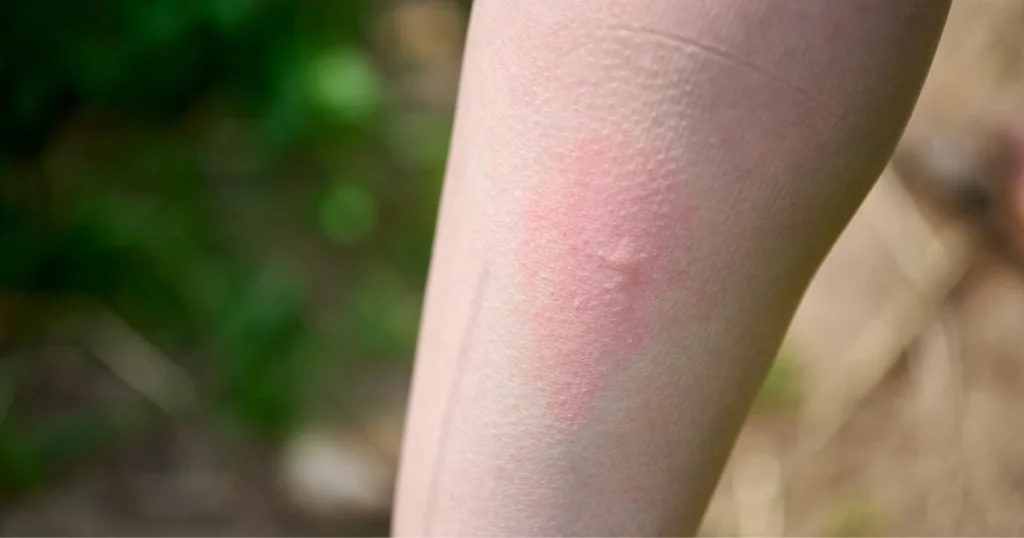
Each insect bite tends to create a unique skin reaction. Factors such as bite pattern, swelling, itching, redness, and location on the body often provide important clues.
However, reactions vary from person to person. Some people experience mild irritation, while others develop large welts or allergic responses.
Mosquito Bites
Mosquito bites are among the most common insect bites worldwide.
Typical Appearance
- Raised itchy bump
- Round or oval swelling
- Red center with mild surrounding inflammation
Common Symptoms
- Itching
- Mild swelling
- Temporary redness
Treatment
- Cold compress
- Anti-itch cream
- Oral antihistamines if needed
When to Seek Medical Help
Consult a doctor if symptoms include:
- Fever
- Severe swelling
- Difficulty breathing
- Signs of infection
Tick Bites
Tick bites require careful attention because some ticks may transmit diseases such as Lyme disease.
Typical Appearance
- Small bite mark initially
- Expanding circular rash in some cases
- “Bull’s-eye” pattern associated with Lyme disease
Common Symptoms
- Red expanding ring
- Fatigue
- Fever
- Muscle aches
What to Do
- Remove the tick carefully using tweezers
- Clean the area thoroughly
- Monitor for rash development
Medical Attention
Seek medical care if:
- Rash expands
- Flu-like symptoms appear
- Tick remained attached for many hours
Fire Ant Stings
Fire ants inject venom that often causes painful pustules.
Typical Appearance
- Clusters of raised white bumps
- Red inflamed skin
- Burning sensation
Common Symptoms
- Intense pain
- Itching
- Swelling
Treatment
- Wash the area
- Apply cold compresses
- Avoid scratching
Emergency Warning
Severe allergic reactions may include:
- Trouble breathing
- Dizziness
- Facial swelling
Bee Stings
Bee stings can be painful but are usually manageable at home unless an allergy exists.
Typical Appearance
- Red swollen bump
- Visible stinger sometimes present
- Central puncture mark
Immediate Steps
- Remove the stinger quickly
- Wash with soap and water
- Apply ice
Common Symptoms
- Pain
- Swelling
- Warmth around the sting
Severe Reactions
Emergency care is needed for:
- Breathing difficulty
- Rapid swelling
- Hives across the body
Chigger Bites
Chiggers are tiny mites often found in grassy or wooded areas.
Typical Appearance
- Small red welts
- Clusters around tight clothing areas
- Intense itching
Common Locations
- Waistline
- Ankles
- Behind knees
Treatment
- Anti-itch creams
- Cool baths
- Loose clothing
Flea Bites
Flea bites commonly affect the legs and ankles.
Typical Appearance
- Tiny grouped red bumps
- Multiple bites close together
- Severe itching
Common Symptoms
- Persistent itching
- Mild swelling
- Irritation
Prevention
- Treat pets for fleas
- Vacuum carpets regularly
- Wash bedding frequently
Spider Bites
Most spider bites are harmless, but some species can cause serious reactions.
Typical Appearance
- Two puncture marks
- Mild redness
- Localized swelling
Common Symptoms
- Pain
- Redness
- Tenderness
Dangerous Symptoms
Seek urgent medical care if:
- Skin turns dark
- Severe pain develops
- Fever occurs
- Muscle cramps appear
Bed Bug Bites
Bed bug bites usually occur during sleep.
Typical Appearance
- Red itchy bumps
- Linear or clustered arrangement
- “Breakfast, lunch, dinner” pattern
Common Locations
- Arms
- Neck
- Back
- Legs
Signs of Bed Bugs
- Small blood spots on sheets
- Dark specks on mattresses
- Itching that worsens overnight
Why Some People React More Strongly to Bites
Immune responses differ between individuals. Some people develop:
- Large swollen welts
- Severe itching
- Allergic reactions
Others may barely notice a bite.
Children often react more strongly because their immune systems are less accustomed to insect saliva or venom.
Signs of an Infected Bug Bite
A bite may become infected if bacteria enter damaged skin.
Warning Signs
- Increasing redness
- Warm skin
- Pus formation
- Fever
- Pain worsening over time
Medical evaluation may be necessary if infection develops.
How to Prevent Bug Bites
Prevention is often the best protection.
Helpful Prevention Tips
- Wear long sleeves outdoors
- Use insect repellent
- Avoid standing water
- Check for ticks after hiking
- Keep bedding clean
- Use window screens
Natural Remedies for Mild Bug Bites
Some people find relief using:
- Aloe vera
- Oatmeal baths
- Baking soda paste
- Honey
- Cold compresses
These remedies may reduce itching and inflammation.
When Bug Bites Become Dangerous
Most bug bites improve within several days, but certain symptoms require immediate medical attention.
Seek Emergency Care If You Experience
- Difficulty breathing
- Swelling of lips or throat
- Rapid heartbeat
- Severe dizziness
- Widespread hives
These may indicate anaphylaxis, a serious allergic reaction.
Common Misconceptions About Bug Bites
Myth: All Spider Bites Are Dangerous
Most spiders are harmless to humans.
Myth: Bed Bugs Spread Major Diseases
Bed bugs are irritating but are not known to spread disease like mosquitoes or ticks.
Myth: Scratching Helps Healing
Scratching increases irritation and infection risk.
Frequently Asked Questions
How long do bug bites usually last?
Most mild bites improve within a few days to one week.
Can bug bites become infected?
Yes. Excessive scratching can introduce bacteria into the skin.
What bite causes a bull’s-eye rash?
Tick bites associated with Lyme disease may create this pattern.
Why do flea bites appear in clusters?
Fleas often bite multiple times while moving across the skin.
Are all swollen bug bites dangerous?
Not always. Mild swelling is common, but severe swelling or breathing problems require medical attention.
Final Thoughts
Bug bites are usually minor, but learning how to recognize common bite patterns can help you respond appropriately. Mosquito bites, flea bites, tick bites, bed bug bites, and bee stings all produce different reactions that may reveal important health information.
Monitoring symptoms carefully, practicing prevention, and seeking medical care when necessary are the best ways to stay safe during insect season.