
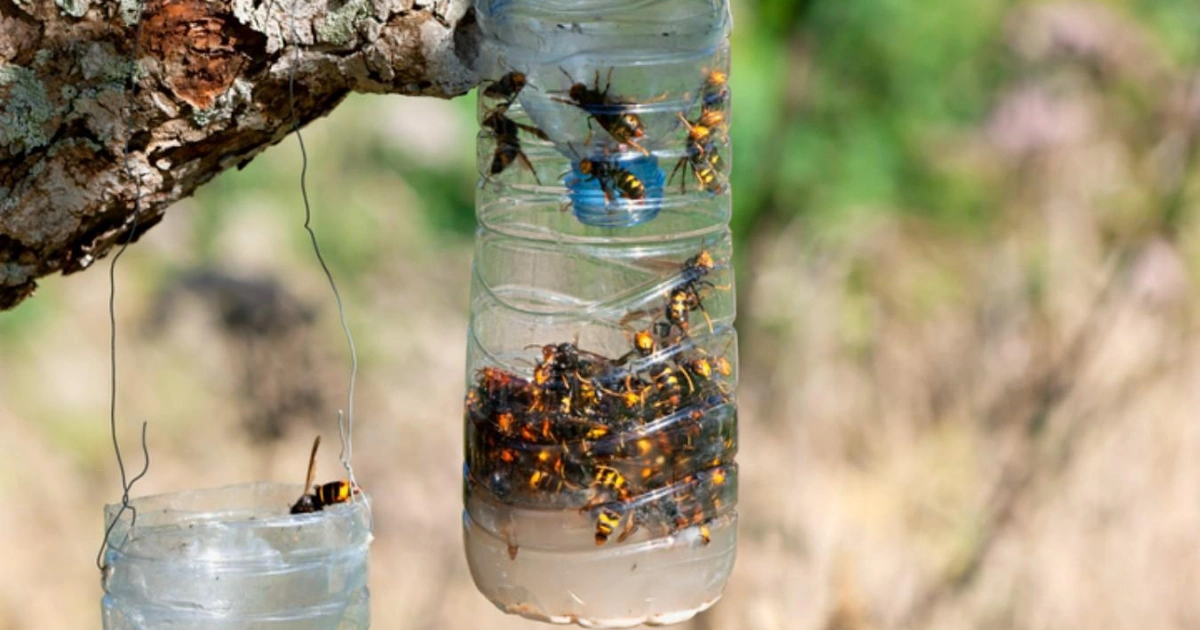
Learn how homemade Asian hornet traps work, when they may be appropriate, their limitations, and how to reduce the risk of catching beneficial insects while helping protect pollinators.
The spread of the Asian hornet (Vespa velutina) has become a growing concern in parts of Europe and other regions where it has been introduced. Known for preying on honey bees and other pollinators, this invasive hornet can place additional pressure on already vulnerable bee populations.
As a result, many gardeners search for simple homemade traps using common household ingredients. While DIY traps are inexpensive and easy to build, experts emphasize that they should be used thoughtfully. Poorly placed or continuously operated traps can capture many non-target insects, including beneficial species.
This guide explains how homemade hornet traps work, their advantages and limitations, and how to use them responsibly as part of a broader management strategy.
What Is the Asian Hornet?
The Asian hornet (Vespa velutina) is an invasive species introduced accidentally into Europe in the early 2000s.
It can be recognized by:
- Dark brown to black body
- Orange-yellow band near the end of the abdomen
- Yellow-tipped legs
- Orange face
Although often confused with native European hornets, the Asian hornet is generally smaller and darker.
Why Are Asian Hornets a Concern?
Asian hornets are skilled predators that feed on a variety of insects.
Their prey includes:
- Honey bees
- Wasps
- Flies
- Butterflies
- Other flying insects
Workers often hover near beehives, capturing returning bees to feed developing larvae.
Large colonies can place significant stress on managed honey bee colonies, especially during late summer and autumn.
How Homemade Hornet Traps Work
Most homemade traps use a funnel entrance that allows insects to enter a container attracted by a scented liquid bait.
Once inside, many insects struggle to locate the narrow exit and remain trapped.
Common trap designs are made from:
- Plastic bottles
- Glass jars
- Commercial funnel tops
They are inexpensive and require only a few minutes to assemble.
Common Bait Mixtures
Various homemade recipes circulate online, often combining sweet and fermented ingredients.
Examples may include:
- Beer
- Wine
- Fruit syrup
- Sugar
- Small amounts of dish soap to reduce surface tension
However, there is no universally proven homemade bait that selectively attracts only Asian hornets. Many mixtures can also attract beneficial insects, including native wasps, flies, moths, and even bees under certain conditions.
The Biggest Challenge: Non-Target Insects
One of the main concerns with homemade traps is accidental capture of beneficial wildlife.
Depending on the bait, traps may catch:
- Native wasps
- Hoverflies
- Moths
- Beetles
- Butterflies
- Other pollinating insects
For this reason, many entomologists discourage leaving general-purpose traps operating continuously throughout the season.
When Trapping May Be Most Useful
Local guidance varies, but trapping efforts are generally most effective when they are part of coordinated invasive species management programs.
In regions where Asian hornets are established, authorities may recommend targeted trapping during specific periods, such as when newly emerged queens are active.
Always follow recommendations issued by your local agricultural or environmental agency.
Where to Place a Trap
If trapping is recommended in your area, placement matters.
Suitable locations may include:
- Away from children’s play areas
- Near known hornet activity
- Around orchards or apiaries where permitted
- Sheltered from heavy rain
- Accessible for frequent inspection
Avoid placing traps directly beside flowering plants that attract large numbers of pollinators.
Check Traps Frequently
Regular inspection helps reduce unnecessary harm to non-target insects.
Inspect traps every few days to:
- Refresh bait if needed
- Remove captured insects
- Release any live non-target species when it is safe to do so
- Dispose of contents responsibly
Leaving traps unattended for long periods increases unintended impacts on local wildlife.
Additional Ways to Reduce Asian Hornet Problems
Homemade traps should never be the only management strategy.
Other approaches include:
Report Suspected Nests
If Asian hornets are invasive in your region, report suspected nests to the appropriate wildlife or agricultural authority rather than attempting removal yourself.
Professional removal is safer and more effective.
Protect Honey Bee Colonies
Beekeepers may use entrance reducers, monitoring systems, or protective devices recommended by local beekeeping organizations.
Encourage Healthy Pollinator Habitat
Healthy ecosystems support stronger populations of native pollinators and beneficial insects.
Planting native flowering plants and reducing unnecessary pesticide use can improve overall biodiversity.
Safety Around Hornets
Never attempt to destroy an active hornet nest without proper training and equipment.
Large colonies can defend their nests aggressively if disturbed.
If you discover a nest:
- Keep a safe distance.
- Prevent children and pets from approaching.
- Contact local pest control or the relevant environmental authority if removal is recommended.
Frequently Asked Questions
Do homemade hornet traps work?
They can capture hornets, but they are not perfectly selective and may also catch beneficial insects. Their effectiveness depends on timing, placement, and local conditions.
Can these traps harm pollinators?
Yes. Homemade traps may unintentionally attract bees, hoverflies, moths, and other beneficial insects, which is why careful use is important.
Should I leave hornet traps out all year?
Continuous trapping is generally not recommended because it increases the likelihood of capturing non-target species. Follow guidance from local authorities regarding appropriate timing.
How can I tell an Asian hornet from a native hornet?
Asian hornets are usually darker, with yellow leg tips and a single orange-yellow band near the end of the abdomen. Native hornets are generally larger and have more yellow markings across the body.
What should I do if I find an Asian hornet nest?
Do not attempt to remove it yourself. Report it to your local environmental, agricultural, or invasive species authority for professional assessment.
Final Thoughts
Homemade Asian hornet traps can be one tool for monitoring or managing invasive hornets where they are established, but they should be used responsibly. Because homemade baits are rarely species-specific, indiscriminate trapping can unintentionally harm the very pollinators and beneficial insects that healthy gardens depend on.
The most effective long-term approach combines careful identification, timely reporting of invasive nests, protection of pollinator habitats, and following guidance from local authorities. By balancing hornet management with biodiversity conservation, gardeners can help protect both their landscapes and the wider ecosystem.
SEO Information
Primary Keyword: DIY Asian hornet trap
Related Keywords:
- Asian hornet
- Homemade hornet trap
- Asian hornet control
- Invasive hornets
- Protect honey bees
- Hornet identification
- Pollinator protection
- Garden pest management
Internal Linking Suggestions (secretsofthegreengarden.com)
- How to Attract Pollinators to Your Garden
- Beneficial Garden Insects Every Gardener Should Know
- Natural Ways to Build a Wildlife-Friendly Garden
External Linking Suggestions
- European Commission – Invasive Alien Species
- CABI – Vespa velutina Invasive Species Compendium
- USDA National Invasive Species Information Center
Meta Description: Learn how DIY Asian hornet traps work, their limitations, and how to use them responsibly while minimizing risks to beneficial insects and helping protect pollinators.