
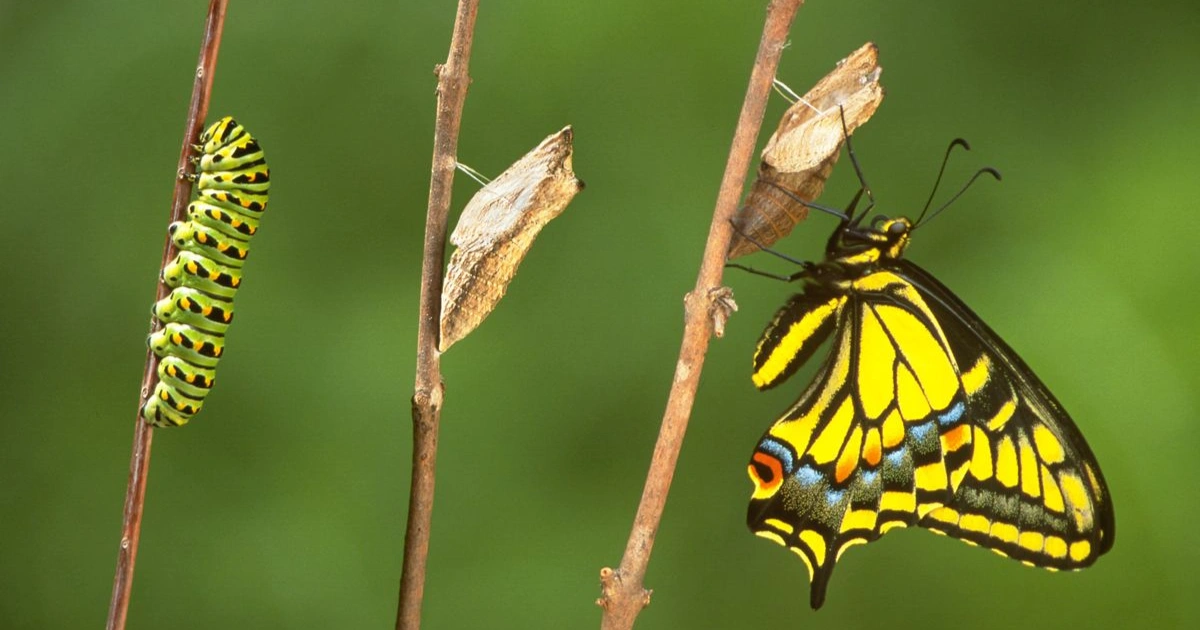
Many gardeners see caterpillars as destructive pests and remove them immediately from plants. While some species can damage crops when populations grow too large, many caterpillars eventually transform into butterflies or moths that play valuable roles in pollination and biodiversity.
Learning to identify common caterpillars before removing them can help protect beneficial insects and support a healthier garden ecosystem. Some of the most beautiful butterflies begin life as unusual-looking larvae that are easily mistaken for harmful pests.
This guide explores several fascinating caterpillar species, the butterflies or moths they become, and why they matter in natural gardens.
Why Caterpillars Matter in Nature
Caterpillars are an essential stage in the life cycle of butterflies and moths.
Important Ecological Roles
Caterpillars help ecosystems by:
- Supporting bird populations as food sources
- Contributing to biodiversity
- Becoming pollinators later in life
- Helping maintain healthy food webs
Removing every caterpillar from a garden can unintentionally reduce pollinator diversity.
Swallowtail Caterpillar
Swallowtail caterpillars are among the most recognizable garden larvae.
Appearance
Young swallowtail caterpillars often display:
- Bright green coloring
- Black bands
- Yellow or orange spots
Some species mimic bird droppings during early stages as camouflage.
Adult Form: Swallowtail Butterfly
They transform into elegant swallowtail butterflies known for:
- Large wings
- Distinctive tail-like extensions
- Strong pollination abilities
Swallowtails are frequent visitors to flower gardens.
Peacock Caterpillar
Peacock caterpillars are dark and spiny in appearance.
Characteristics
They commonly feature:
- Black bodies
- White speckles
- Small red markings
They often feed on nettles and other wild plants.
Adult Form: Peacock Butterfly
The adult peacock butterfly is famous for its dramatic eye-like wing patterns that help deter predators.
Comma Caterpillar
Comma caterpillars have an unusual spiky appearance that helps them blend into branches and bark.
Defensive Camouflage
Their brown coloration provides protection against predators.
Adult Form: Comma Butterfly
The comma butterfly is recognized by:
- Jagged wing edges
- Orange-brown coloration
- Small white comma-shaped marking beneath the wings
These butterflies are common in woodland areas and gardens.
Garden Tiger Caterpillar
Garden tiger caterpillars are often called “woolly bears.”
Appearance
They are typically:
- Hairy
- Dark-colored
- Covered with orange or rust-colored bands
Adult Form: Garden Tiger Moth
The adult garden tiger moth displays striking patterns with orange hindwings and dark markings.
Moths also contribute to pollination, especially during evening hours.
Brimstone Caterpillar
Brimstone caterpillars are smooth green larvae that blend well with foliage.
Why They Are Hard to Spot
Their green coloration helps them disappear among leaves.
Adult Form: Brimstone Butterfly
Brimstone butterflies are pale yellow and leaf-shaped, making them excellent at camouflage.
They are considered among the earliest butterflies seen in spring in many regions.
Red Admiral Caterpillar
Red admiral caterpillars are dark with white dots and small spines.
Habitat
They often feed on:
- Nettles
- Wild host plants
- Garden vegetation
Adult Form: Red Admiral Butterfly
The red admiral butterfly is highly recognizable due to its:
- Black wings
- Red-orange bands
- White markings
It is a strong migratory species in many parts of the world.
Death’s-head Hawk Moth Caterpillar
This caterpillar is one of the most dramatic-looking larvae in nature.
Identifying Features
It often displays:
- Large size
- Green coloration
- Eye-like markings
Adult Form: Death’s-head Hawk Moth
The adult moth is famous for the skull-like marking on its thorax.
Despite its intimidating appearance, it is generally harmless to humans.
Not Every Caterpillar Is Harmful
A common gardening mistake is assuming all caterpillars are destructive pests.
Balanced Gardening Matters
Healthy gardens often tolerate moderate caterpillar activity while maintaining biodiversity.
A few chewed leaves are frequently part of a balanced ecosystem.
How Caterpillars Become Butterflies
The transformation from caterpillar to butterfly is called metamorphosis.
Main Stages of Metamorphosis
- Egg
- Caterpillar (larva)
- Chrysalis or cocoon
- Adult butterfly or moth
This process is one of nature’s most remarkable biological changes.
Why Butterflies and Moths Are Important Pollinators
Many adult butterflies and moths help pollinate flowers while feeding on nectar.
Pollination Benefits
Pollinators support:
- Flower reproduction
- Fruit development
- Seed production
- Biodiversity
Night-flying moths also pollinate plants that bloom after sunset.
When Caterpillars Become a Problem
Large infestations can occasionally damage crops or ornamental plants.
Signs of Excessive Feeding
- Skeletonized leaves
- Severe defoliation
- Stunted plant growth
In these cases, gardeners may need targeted management strategies rather than broad elimination.
Eco-Friendly Ways to Manage Caterpillars
Instead of destroying all caterpillars, gardeners can use balanced approaches.
Safer Management Options
- Hand relocation
- Protective netting
- Companion planting
- Encouraging natural predators
Birds, wasps, and beneficial insects naturally help regulate caterpillar populations.
Plants That Support Butterfly Life Cycles
Butterflies require specific host plants for egg-laying and caterpillar feeding.
Butterfly-Friendly Plants
Common examples include:
- Nettles
- Fennel
- Dill
- Milkweed
- Parsley
Growing host plants supports future butterfly generations.
Why Biodiversity Creates Healthier Gardens
Gardens with diverse insect populations tend to become more resilient over time.
Ecological Benefits
Biodiverse gardens often experience:
- Better pollination
- Natural pest balance
- Healthier soil ecosystems
- Increased wildlife activity
Supporting native insects helps stabilize local ecosystems.
FAQ
Should I remove caterpillars from my garden?
Not always. Many caterpillars become beneficial butterflies or moths. Moderate populations are often harmless.
Are all caterpillars safe to touch?
No. Some species have irritating hairs or toxins. It is best to avoid handling unknown caterpillars directly.
Do moths help pollinate plants?
Yes. Many moth species are important nighttime pollinators.
Why do caterpillars eat so many leaves?
Caterpillars consume large amounts of food to support rapid growth before metamorphosis.
How can I attract butterflies to my garden?
Plant nectar flowers and host plants while avoiding excessive pesticide use.
Final Thoughts
Caterpillars are far more than simple garden pests. They represent a vital stage in the life cycles of butterflies and moths that contribute to pollination, biodiversity, and healthy ecosystems. Species such as swallowtails, red admirals, brimstones, and peacock butterflies begin life as larvae that many gardeners mistakenly destroy.
By learning to identify common caterpillars and understanding their ecological importance, gardeners can create more balanced and wildlife-friendly spaces. A thriving garden is not perfectly untouched by insects — it is alive with them.
Suggested Internal Links for secretsofthegreengarden.com
- Best Flowers to Attract Butterflies Naturally
- How to Create a Pollinator-Friendly Garden
- Beneficial Insects Every Gardener Should Protect