
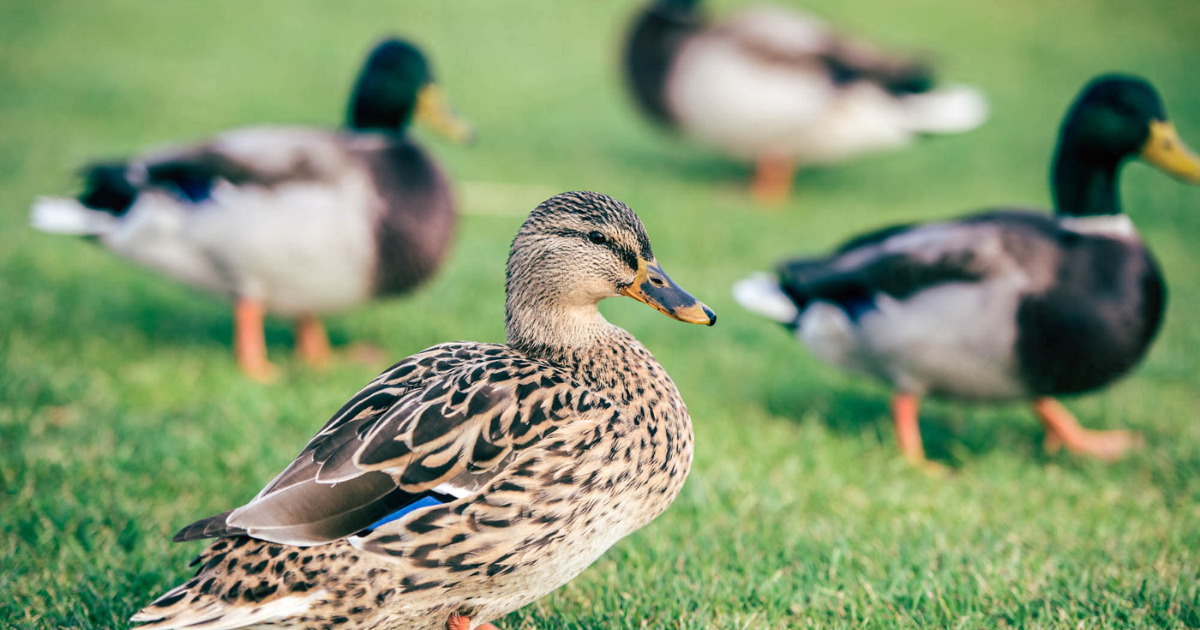
Raising ducks for eggs has become increasingly popular among backyard farmers, homesteaders, and sustainable gardening enthusiasts. Ducks are hardy, productive birds that often lay large, nutrient-rich eggs while requiring relatively simple care. Many breeds are excellent egg producers and can adapt well to backyard environments, small farms, and mixed flocks.
Compared to chickens, ducks are generally more cold-hardy, resistant to some diseases, and excellent foragers. Certain breeds can produce hundreds of eggs per year under proper conditions.
In this guide, we explore some of the best duck breeds for egg production, their laying potential, temperament, and suitability for backyard flocks.
Why People Raise Ducks for Eggs
Duck eggs are valued for their rich flavor, large size, and versatility in cooking.
Benefits of Duck Eggs
Duck eggs are often appreciated because they:
- Contain larger yolks
- Work well in baking
- Have strong shells
- Offer rich texture and flavor
Many duck breeds also continue laying well through cooler seasons.
What Makes a Good Egg-Laying Duck Breed?
Not all ducks produce eggs equally.
Important Traits
Strong laying breeds often have:
- High annual egg production
- Calm temperament
- Good adaptability
- Disease resistance
- Efficient foraging ability
Climate and care also influence laying performance.
Indian Runner Duck
Indian Runner ducks are among the best egg-laying duck breeds in the world.
Egg Production
They may produce approximately:
- 300–350 eggs annually
Unique Characteristics
Indian Runners are known for:
- Upright posture
- Active personalities
- Excellent foraging skills
They are energetic birds that require space to move.
Khaki Campbell Duck
Khaki Campbells are famous for exceptional laying performance.
Why They Are Popular
This breed is widely considered one of the top choices for egg production.
Average Egg Yield
Khaki Campbells may lay:
- Around 250–340 eggs yearly under ideal conditions
Temperament
They are generally:
- Hardy
- Active
- Productive
Good nutrition strongly supports consistent laying.
Silver Appleyard Duck
Silver Appleyards are attractive dual-purpose ducks raised for both eggs and meat.
Egg Production Range
They often produce:
- Approximately 220–270 eggs per year
Breed Traits
Silver Appleyards are known for:
- Calm temperament
- Good foraging
- Attractive plumage
They adapt well to backyard flocks.
Saxony Duck
Saxony ducks are valued for their calm nature and reliable egg production.
Typical Egg Numbers
They may produce:
- Around 190–240 eggs annually
Why Backyard Keepers Like Them
Saxony ducks are often described as:
- Friendly
- Quiet
- Easy to manage
Their gentle temperament suits family homesteads.
Ancona Duck
Ancona ducks are productive layers with distinctive spotted plumage.
Annual Egg Production
Anconas may lay:
- Approximately 210–280 eggs yearly
Additional Benefits
They are often praised for:
- Hardiness
- Active foraging
- Adaptability
Their varied feather patterns make them visually unique.
Buff Orpington Duck
Buff Orpington ducks combine good egg production with calm personalities.
Egg Production Potential
They commonly produce:
- Around 220–280 eggs annually
Temperament
Buff Orpingtons are known for:
- Friendly behavior
- Broodiness
- Good backyard suitability
They often integrate well into mixed flocks.
Magpie Duck
Magpie ducks are lightweight and productive egg layers.
Egg Yield
Magpies may lay:
- Approximately 200–280 eggs per year
Why They Are Popular
This breed offers:
- Efficient foraging
- Attractive black-and-white coloring
- Good laying consistency
They are often recommended for smaller homesteads.
Abacot Ranger Duck
Abacot Rangers are active dual-purpose ducks.
Production Range
They may produce:
- Around 180–240 eggs yearly
Breed Strengths
Abacot Rangers are often appreciated for:
- Good free-ranging ability
- Hardiness
- Adaptability
They perform well in outdoor systems.
Welsh Harlequin Duck
Welsh Harlequins are calm, productive birds developed specifically for egg laying.
Typical Egg Numbers
They often produce:
- Around 150–250 eggs annually
Additional Benefits
Welsh Harlequins are known for:
- Calm temperament
- Attractive feather coloring
- Efficient feed conversion
They are excellent choices for beginner duck keepers.
Pekin Duck
Pekins are primarily known as meat ducks but can also produce eggs reliably.
Average Egg Production
Pekins may lay:
- Approximately 120–180 eggs yearly
Why They Remain Popular
They are valued for:
- Fast growth
- Calm behavior
- Adaptability
Their large size makes them easy to manage.
Muscovy Duck
Muscovy ducks are technically different from most domestic duck breeds, but they are widely raised on farms and homesteads.
Egg Production
Muscovies may produce:
- Up to around 180 eggs annually
Unique Traits
They are known for:
- Quiet behavior
- Excellent brooding ability
- Strong pest control instincts
Muscovies are especially valued for eating insects and reducing flies.
Cayuga Duck
Cayuga ducks are striking birds with dark iridescent feathers.
Egg Production Range
They commonly lay:
- Approximately 100–150 eggs per year
Interesting Feature
Early-season eggs may appear dark gray or black before gradually lightening.
Crested Duck
Crested ducks are mainly ornamental but can still produce eggs.
Egg Production
They may lay:
- Around 100–130 eggs yearly
Special Appearance
Their fluffy head crest makes them visually distinctive.
Factors That Affect Duck Egg Production
Even highly productive breeds require proper care.
Important Factors Include
- Balanced nutrition
- Clean water
- Adequate daylight
- Predator protection
- Stress reduction
Poor conditions may reduce laying significantly.
Why Ducks Need Constant Access to Water
Ducks depend heavily on water for health and hygiene.
Water Helps Ducks
- Clean nostrils and eyes
- Digest food properly
- Maintain feather condition
Clean drinking water is essential for productive laying flocks.
Duck Eggs vs Chicken Eggs
Duck eggs differ from chicken eggs in several ways.
Main Differences
Duck eggs often have:
- Larger yolks
- Thicker shells
- Higher fat content
- Richer flavor
Many bakers prefer duck eggs for pastries and baked goods.
Are Ducks Easier Than Chickens?
Some keepers find ducks easier in certain environments.
Advantages of Ducks
Ducks are often:
- More cold-tolerant
- Better foragers
- Less prone to some parasites
However, they can also be messier because of their water habits.
FAQ
Which duck breed lays the most eggs?
Indian Runner and Khaki Campbell ducks are among the highest egg-producing breeds.
Are duck eggs healthier than chicken eggs?
Duck eggs are richer in some nutrients and fats, though nutritional needs vary by individual diet.
Do ducks need a pond to lay eggs?
No. Ducks need access to water for health, but a pond is not required for laying.
How long do ducks lay eggs?
Many ducks begin laying around 5–7 months of age and may continue productively for several years.
Are ducks noisy?
Some breeds are vocal, especially females, while others like Muscovies are relatively quiet.
Final Thoughts
Ducks can be excellent egg producers for backyard farms and homesteads, offering large flavorful eggs along with hardy, adaptable personalities. Breeds like Indian Runners, Khaki Campbells, Silver Appleyards, and Welsh Harlequins are especially valued for strong laying performance and reliable production.
Choosing the right breed depends on climate, available space, temperament preferences, and management style. With clean water, proper nutrition, safe shelter, and good care, ducks can become productive and rewarding additions to sustainable backyard systems.
Suggested Internal Links for secretsofthegreengarden.com
- Best Backyard Birds for Small Homesteads
- Natural Ways to Keep Poultry Healthy
- Easy Beginner Tips for Raising Ducks at Home