
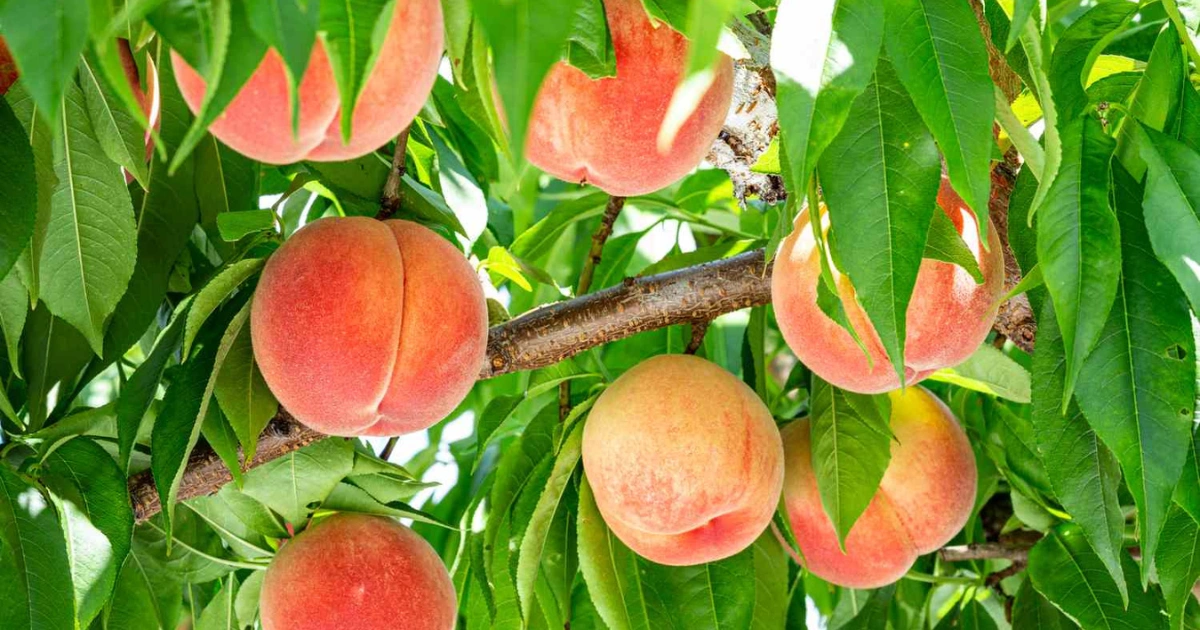
Growing fruit trees at home is one of the most rewarding ways to create a productive garden. Some fruit trees are especially valued because they can produce fruit during multiple seasons or continue fruiting for extended periods in tropical and subtropical climates. With proper care, certain varieties may provide harvests for much of the year, offering fresh fruit, shade, and long-term food production.
Climate, temperature, rainfall, and pruning techniques all influence how often fruit trees produce. In warm regions with minimal frost, several tropical fruit trees can flower and fruit repeatedly throughout the year.
In this guide, we explore nine popular fruit-producing trees and plants that are known for extended harvest periods and productive growth in suitable climates.
Banana Tree
Bananas are among the fastest-producing tropical fruit plants.
Why Banana Plants Produce Frequently
Banana plants grow rapidly in warm, humid environments and continuously send up new shoots from underground rhizomes.
Once established, staggered planting can help provide fruit during much of the year.
Growing Conditions
Bananas thrive with:
- Warm temperatures
- Rich soil
- Consistent watering
- High humidity
- Full sunlight
Important Note
Although commonly called trees, banana plants are technically giant herbaceous plants rather than true trees.
Papaya Tree
Papaya trees are highly productive in tropical and frost-free climates.
Why Papaya Produces So Quickly
Papaya trees can begin fruiting relatively early compared to many fruit trees.
In favorable climates, they may:
- Flower continuously
- Produce fruit in multiple seasons
Best Growing Conditions
Papayas prefer:
- Warm temperatures
- Well-draining soil
- Protection from frost
- Regular watering
Healthy papaya trees can produce large quantities of fruit annually.
Mango Tree
Mango trees are famous for their sweet tropical fruit and long lifespan.
Can Mango Trees Fruit Year-Round?
Most mango trees produce seasonally, but in tropical climates with multiple flowering cycles, some varieties may produce extended harvest periods.
What Mango Trees Need
- Full sun
- Warm climate
- Deep soil
- Good drainage
Pruning and variety selection strongly influence productivity.
Avocado Tree
Avocados are increasingly popular in home gardens.
Why Avocados Can Produce Over Long Periods
Different avocado varieties mature at different times of year. By growing multiple varieties, gardeners can extend harvest seasons significantly.
Avocado Growing Requirements
Avocados grow best with:
- Mild temperatures
- Well-draining soil
- Protection from strong frost
- Consistent moisture
Healthy trees may produce heavily for many years.
Guava Tree
Guava trees are hardy tropical fruit producers with fragrant blossoms and nutritious fruit.
Why Guavas Are Highly Productive
In warm climates, guava trees may flower several times annually, leading to repeated fruiting cycles.
Benefits of Guava Trees
Guava trees are valued for:
- Fast growth
- High productivity
- Fragrant flowers
- Vitamin-rich fruit
They also adapt well to container growing in some regions.
Loquat Tree
Loquat trees produce small sweet fruits and attractive evergreen foliage.
Unique Fruiting Season
Unlike many fruit trees, loquats often flower in cooler months and fruit during late winter or spring in mild climates.
Ideal Conditions
Loquats prefer:
- Moderate climates
- Full sun
- Good drainage
- Moderate watering
They are relatively easy to maintain once established.
Tamarind Tree
Tamarind trees are long-lived tropical trees known for their tangy fruit pods.
Why Tamarind Trees Are Valuable
Tamarind trees can:
- Produce large harvests
- Tolerate heat well
- Live for decades
Growing Needs
These trees prefer:
- Warm tropical climates
- Full sunlight
- Deep soil
- Dry-season tolerance
Mature trees become highly productive over time.
Starfruit Tree
Starfruit, also called carambola, is prized for its unique star-shaped slices.
Why Starfruit Trees Produce Frequently
In tropical regions, starfruit trees may bloom and fruit multiple times annually.
Growing Conditions
Starfruit trees prefer:
- Warm weather
- Regular watering
- Rich soil
- Full sun exposure
Heavy pruning can reduce production, so careful shaping is important.
Dragon Fruit Plant
Dragon fruit is a climbing cactus known for its striking fruit and night-blooming flowers.
Why Dragon Fruit Produces Repeatedly
In warm climates, dragon fruit plants may flower multiple times per year.
Growing Requirements
Dragon fruit thrives with:
- Warm temperatures
- Well-draining soil
- Trellising support
- Bright sunlight
The plant is drought-tolerant once established.
Climate Matters More Than the Tree Itself
Many fruit trees only produce continuously in suitable climates.
Best Regions for Extended Fruiting
Year-round or near-continuous fruiting is most common in:
- Tropical climates
- Subtropical regions
- Frost-free environments
Cold winters usually interrupt flowering and fruit development.
How to Encourage Longer Fruit Production
Proper care improves productivity significantly.
Helpful Gardening Practices
- Regular watering
- Balanced fertilization
- Mulching
- Proper pruning
- Pest monitoring
- Pollinator support
Healthy trees are more likely to flower consistently.
Container Growing for Small Spaces
Some fruit trees adapt surprisingly well to pots.
Trees Suitable for Containers
Examples include:
- Guava
- Papaya
- Dragon fruit
- Starfruit
Container gardening allows growers in cooler climates to move plants indoors during cold weather.
Pollination and Fruit Production
Pollination strongly affects yield quality.
Why Pollinators Matter
Bees and other pollinators help improve:
- Fruit set
- Fruit size
- Harvest consistency
Pollinator-friendly gardens support healthier production.
Common Challenges With Tropical Fruit Trees
Even productive fruit trees face potential problems.
Frequent Issues Include
- Frost damage
- Poor drainage
- Nutrient deficiencies
- Pest infestations
- Overwatering
Proper monitoring helps prevent long-term damage.
Are Year-Round Harvests Truly Continuous?
Most trees do not literally produce every day of the year.
What “Year-Round” Usually Means
In gardening, the phrase often refers to:
- Multiple harvest periods
- Extended fruiting seasons
- Staggered production cycles
Climate and variety selection greatly influence harvest timing.
FAQ
Which fruit tree produces fruit the fastest?
Papaya and banana plants are among the fastest tropical fruit producers.
Can mango trees produce year-round?
Some tropical varieties may produce extended harvest periods in warm climates, but most remain somewhat seasonal.
Is dragon fruit a tree?
No. Dragon fruit is a climbing cactus.
Can I grow tropical fruit trees in pots?
Yes. Several species, including guava and dragon fruit, grow well in containers.
Why do fruit trees stop producing?
Cold weather, poor pollination, nutrient deficiencies, stress, or improper care may reduce fruiting.
Final Thoughts
Fruit trees that produce for extended periods can transform gardens into productive, beautiful food sources while supporting biodiversity and sustainable living. Tropical and subtropical species such as banana, papaya, guava, starfruit, and dragon fruit are especially valued for their ability to provide repeated harvests in warm climates.
Although true year-round production depends heavily on climate and care, thoughtful variety selection and proper maintenance can dramatically extend harvest seasons. With sunlight, healthy soil, pollinator support, and consistent care, many fruit trees can reward gardeners with abundant harvests for years to come.
Suggested Internal Links for secretsofthegreengarden.com
- Best Tropical Plants for Small Gardens
- How to Grow Fruit Trees in Containers
- Natural Fertilizers for Healthier Fruit Production